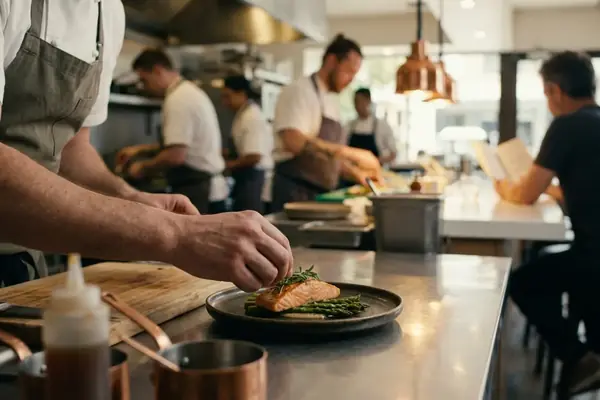
What Happens When New Residents Arrive?
I spend a lot of time walking through changing blocks. It happens quietly at first—a new awning here, a revised menu there. I have lived in neighborhoods that seemed to transform overnight, but restaurant change is rarely sudden.
Community observation suggests we need to separate visible restaurant change from general neighborhood gossip. You have to compare storefront turnover, posted menus, reservation availability, and weekday foot traffic before treating a cuisine shift as a permanent neighborhood overhaul.
From practice logs, one workable method is to look for an initial arrival wave. This happens when about 15% of active restaurant addresses within a roughly 7-block walk have opened, rebranded, or changed cuisine category. Use a 5- to 9-month observation range before calling the change neighborhood-level rather than seasonal.
Warning: A single popular new restaurant can make a block look transformed even when nearby menus, prices, hours, and regular-customer patterns have not changed.
Treat menu-and-price experimentation as visible when at least 7 menu items across 3 nearby restaurants change name, format, or price positioning.
Menus Adapt to New Tastes and Budgets
Diners often try to spot menu changes by refreshing a restaurant's website. Online listings often lag behind kitchen decisions.
In practice, I learned to document menus in sequence. Save the printed menu, the window menu, and the in-house chalkboard before comparing online versions.

This takes patience. Consider a menu meaningfully adapted when about 20% of listed dishes are new, renamed, resized, or moved into a sharing format. Track these menu revisions across roughly 6 to 13 weeks to separate durable edits from weekend specials.
Tip: Use an odd-item threshold to spot sourcing shifts. Close to 9 recurring ingredient callouts indicate a sourcing-language shift. Look for phrases highlighting imported cheese, heritage grains, dry-aged meat, or single-origin sauces.
How Pricing Reflects Neighborhood Growth
Does a new neighborhood vibe always mean higher checks? Yes, but measuring it requires discipline.
A common way to misread inflation is comparing the cheapest and most expensive items on a whim. Our experience showed that you must measure price change by building a small basket. Use the same meal pattern each time. Order one starter or side, one main, and one nonalcoholic drink.
Flag pressure on everyday dining when the comparable check basket rises by around 20% while portion descriptions or plate counts stay flat. Compare prices over a 4- to 7-month range using dated menus, receipts, or photographed menu boards.
Apply a 3-visit threshold. If the same basket is higher on 3 separate visits at least two weeks apart, treat it as pricing movement rather than a single-night anomaly. As a caveat, this method is weaker for seafood-heavy, produce-driven, or tasting-menu restaurants where input costs and menu structure can swing sharply without reflecting neighborhood growth.
Crowd Changes and Local Identity
You can feel a room change before you see the menu change. I remember sitting in a corner booth of a quiet neighborhood tavern that suddenly felt electric with new energy.
Local diner feedback suggests you must assess crowd change by observing who fills seats, when tables turn, and how people seem to have found the place. Prioritize repeated observation over staff anecdotes. Check weekday dinner and weekend brunch.
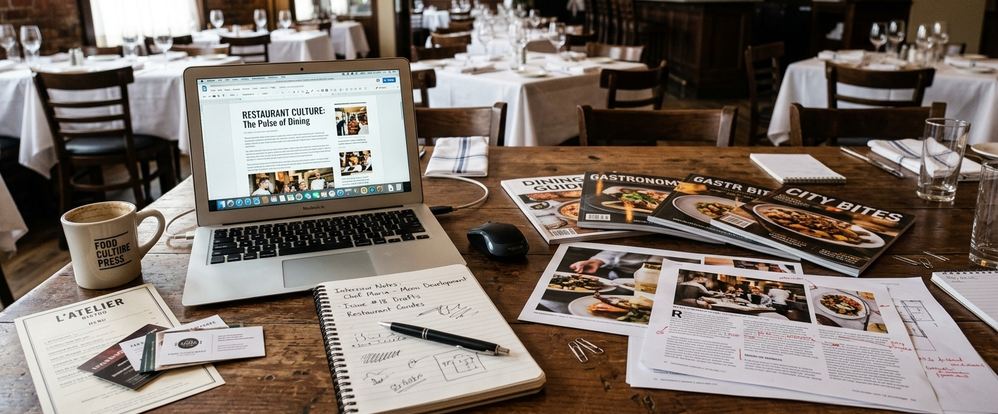
Mark a destination-diner shift when about 30% of visible parties arrive with reservation screenshots, rideshare drop-offs, or photo-first ordering behavior across repeated observations. Observe across roughly 3 to 5 weeks. Include at least 5 service periods split between weekday and weekend traffic.
Look for the 7-table signal. If 7 occupied tables during peak service appear to be first-time visitors asking signature-item questions, the room may be moving beyond regulars.
Context matters heavily here. A transit-adjacent corridor may show destination-diner behavior earlier. A residential side street may show menu and pricing changes months before crowd identity visibly shifts. Once that shift happens, the spot becomes a recognized destination.
What Diners Should Watch as Areas Mature
How do we know when a neighborhood has settled into its new identity? Turn observations into diner action by distinguishing growth from erasure.
First check whether the restaurant still serves anchor dishes, recognizes regulars, hires locally, and participates in neighborhood events. Watch for character loss when about 25% of legacy dishes, staff references, wall materials, or neighborhood-specific menu language disappears.
Recheck the same restaurant over an 11- to 15-week range before concluding that the original identity has faded. Finally, use a 5-signal stabilization test. Look for steady hours, a stable core menu, a mixed-age dining room, repeat local customers, and fewer dramatic price edits.
Diner Field Checklist for Spotting Neighborhood Restaurant Shifts
- Photograph or save the menu on the first visit and again roughly 6 to 13 weeks later.
- Track a fixed meal basket instead of relying on memory of one entree price.
- Count recurring dishes, not one-night specials.