Menus That Whisper 'Come Back Soon'
The decision starts before the first bite
Do you want a good one-time meal, or do you want a place worth learning?
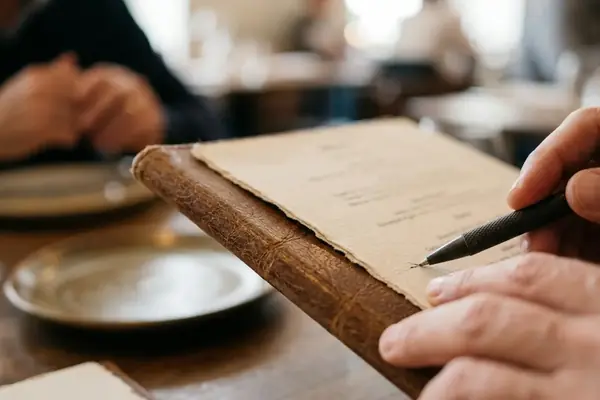
That is the question I bring to a menu before I bring it to the table. A guest usually decides whether a restaurant deserves another visit somewhere between the first menu read and the bill drop, a roughly 15- to 80-minute window that can feel either generous or painfully short. If the menu only sells tonight, the meal has to win on mood, appetite, and luck. If the menu teaches you how to return, the first visit becomes less of a gamble.
In our experience, regular-friendly restaurants usually announce themselves before the server says a word. Not through charm. Through structure: a familiar dish held at a fair price, a seasonal item that looks timed rather than random, a breakfast ingredient that reappears at dinner in a way that makes kitchen sense.
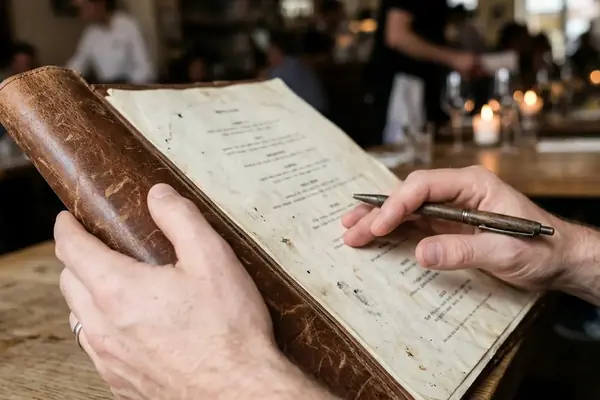
For this read, I use about a 65% opening-screen cutoff: at least 7 of 11 visible menu cues need to point toward repeat-diner value before I treat a restaurant as built for regulars. That threshold is tied to a specific view: the first visible menu panel, the posted board near the door, or the first page a diner sees after sitting down. A menu should not require a detective.
Criteria for Selection
What counts as a signal, and what gets ignored
The common question is simple: how can you judge regular-diner design before you have eaten there twice?
The answer is to stop guessing chef intent and study menu behavior. I started with 13 possible clues, then narrowed the list to 7 because each surviving clue rewards diners who return rather than diners chasing novelty. A chef’s interview, a server’s enthusiasm, or a social post may add color, but those are not available to every guest at the decision point. The printed or posted menu is.
During practice, the strongest candidates met a high visibility bar: about 9 of 11 cue checks had to be identifiable from the menu without asking staff. If a diner needs a roughly five-minute explanation to understand whether portions flex, staples hold, or add-ons stack up, the signal is too hidden for this purpose.
The observation window matters
A single specials board can fool you. So can a menu photographed on a holiday weekend.
Each candidate signal needs to hold across an about 20- to 60-day menu observation range. That span is long enough to separate a repeatable pattern from a lucky snapshot, but short enough to reflect how neighborhood restaurants actually change. For seasonal rotation evidence, I stretch the read to an around 30- to 90-day menu span, because a restaurant needs time to show a deliberate cycle without being mislabeled as static.
This is a menu method, not a whole-restaurant verdict. Service rhythm, cooking execution, and hospitality still have to meet the guest at the table.
The 7 Menu Signals for Repeat Diners
1. Limited seasonal rotations
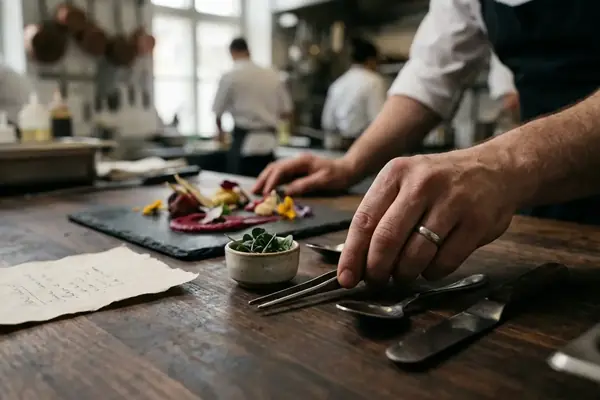
A regular needs a reason to come back without feeling that the restaurant has erased the dish they came back for. Limited seasonal rotations do that well. The key word is limited: one soup, one pasta, one fish preparation, one dessert, or a small produce-driven insert. When the rotation is controlled, a diner can learn the house style and still get a fresh reason to return.
Community observation suggests that the best version reads like timing, not panic. “Late summer tomato tart” tells me more than a vague “chef’s special.” A seasonal item should live long enough to be noticed and leave soon enough to create memory.
2. Loyalty-priced staples
Regulars do not always order the exciting item. Often they order the thing they trust on a tired Tuesday.
Loyalty-priced staples are the menu’s quiet contract with those guests. These are dishes that sit in a dependable price band while surrounding items move with ingredient cost, format, or season. A burger, omelet, bowl, roast chicken plate, noodle dish, or lunch sandwich can play this role. The dish does not need to be cheap; it needs to feel protected from opportunistic pricing.
Member feedback indicates that guests notice this faster than operators sometimes expect. They may not describe it as price-band stability, but they know when the familiar order still feels safe.
3. Cross-meal item reuse
Cross-meal reuse shows kitchen logic. A roasted vegetable appears in the breakfast hash, the lunch grain bowl, and the dinner side. A sauce moves from sandwich to entree. A braised protein anchors both a plate and a smaller bar item.
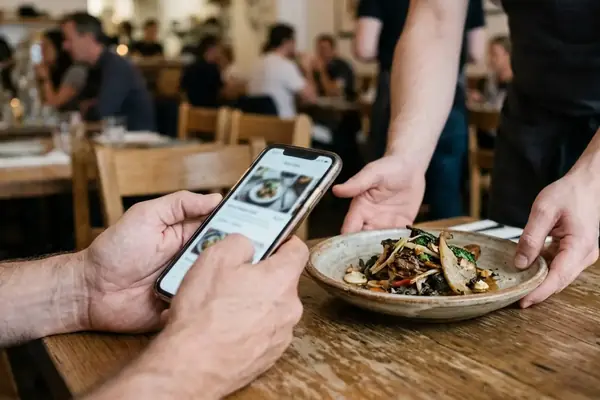
For diners, this can build confidence. If the same component appears across meals, the kitchen has a reason to keep it fresh, prep it carefully, and understand its uses. It also helps guests move through the menu: if you liked the chile crisp at brunch, the dinner noodles may feel less risky.
There is a catch. In compact neighborhood kitchens, cross-meal item reuse may reflect storage limits rather than a deliberate regular-diner strategy, so weigh it against portion flexibility, staple pricing, and quiet upcharge avoidance.
4. Portion flexibility without punishment
A menu built for regulars often gives guests more than one way to eat the same kitchen. Half portions, side portions, lunch formats, shared plates, and add-protein options can make a restaurant usable more than once a month. The important part is not abundance. It is fairness.
If the smaller format feels like a penalty, the signal weakens. If the add-on price turns a modest bowl into a stealth entree, the menu is asking regulars to do arithmetic every time.
5. Quiet add-on discipline
I treat a restaurant as strongly aligned with regulars when 5 of the 7 signals appear and visible add-on charges stay below close to 15% of total item lines. Add-ons are not the enemy. Hidden dependency is.
A menu where fries, sauce, bread, cheese, dressing, substitutions, and basic sides all carry separate charges may work for tourists making one celebratory pass. It works less well for regulars, who remember the final bill. A regular-friendly menu lets upgrades exist without turning the base meal into an incomplete product.
6. Stable familiar dishes
The failure case I see most often is the visitor-heavy seafood restaurant that sounds local but behaves transiently. It names nearby suppliers. It marks staff favorites. It photographs well. Yet familiar staples vanish every roughly 3 to 9 service days, and sides sit mostly behind paid add-ons.
Supplier language should not carry the judgment. A menu earns regular trust by keeping enough familiar dishes in place for guests to form habits.
7. Categories that make the next visit easier
Dish taxonomy matters more than diners think. A menu with clear categories teaches you how to return: quick lunch, larger plates, vegetable sides, house staples, seasonal features, late-night snacks. A menu with blurred categories may feel creative on first read but tiring on the third.
This signal is especially useful for mixed groups. If one person wants the reliable staple and another wants the seasonal rotation, the menu should help them find both without negotiation fatigue.
Turning Signs Into Your Next Regular Spot
A two-pass scan before you order
Use the list during the about 10- to 25-minute pre-order interval, either while seated with the menu or while comparing posted menus before choosing where to eat. Do not turn dinner into homework. Just scan once for what you want, then scan again for the seven repeat-diner signals.
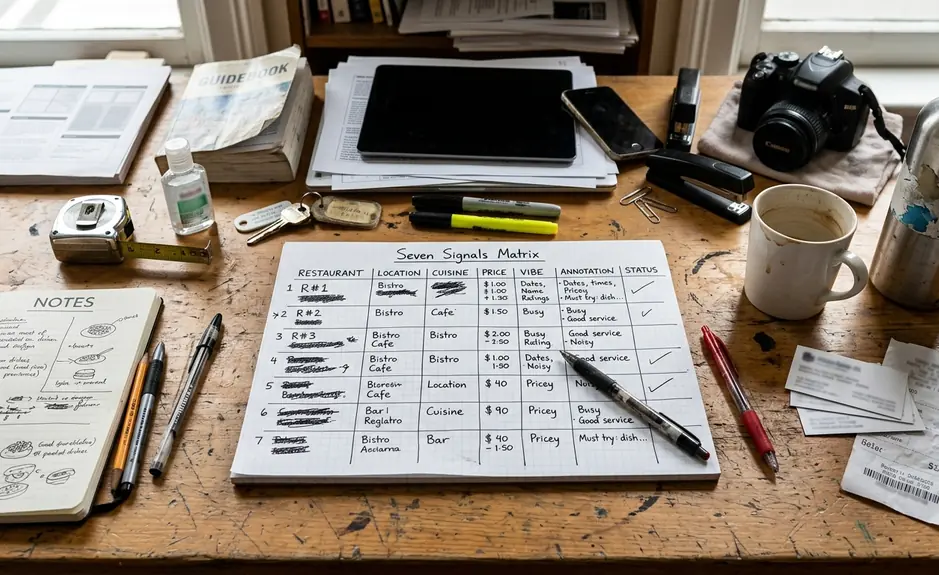
Look for the core three first: limited seasonal rotations, loyalty-priced staples, and cross-meal reuse. Then check the economics: portion flexibility, add-on discipline, stable familiar dishes, and categories that make future visits easier. If 5 of 7 appear, the restaurant deserves a second look.
Cap your confidence at roughly 70%, even when the menu looks strong. Menu signals can suggest regular-friendly design, but they cannot guarantee service, cooking execution, or personal fit. These signals can also misread counter-service stands, pop-ups, and short-run residency kitchens where limited menus, prepaid pricing, or unstable supply chains hide regular-focused habits.
Balance the evidence with taste
The final decision still belongs to your appetite. If you dislike the staple, do not force loyalty. If the seasonal item excites you but the menu lacks repeat signals, enjoy the one-time meal for what it is.
A good regular spot sits between comfort and discovery. The menu leaves room for habit, but it does not trap you in it.