What Happens When Your Favorite Block Starts Changing
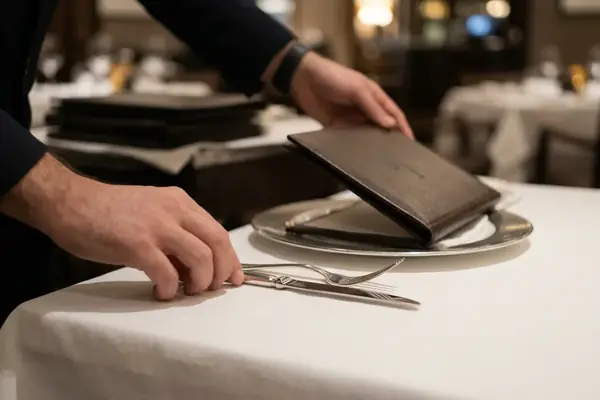
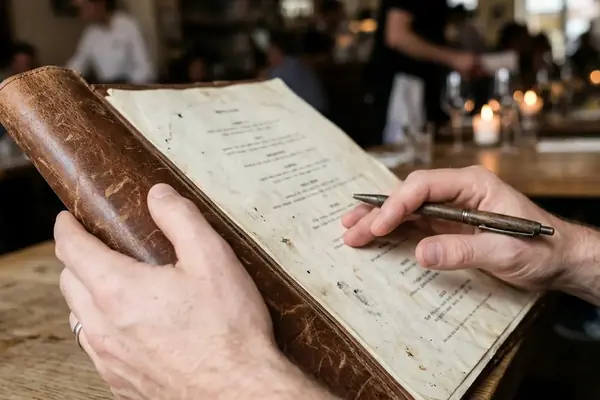
I remember walking down Elm Street last October, slipping into my usual booth at the corner diner. The rhythm was entirely familiar. I knew the easy service, the comforting hum of regulars, and exactly how the roast chicken would taste. When I returned this spring, the air felt different. The lighting was a fraction dimmer, the music a beat faster, and the familiar laminated menus had been replaced by heavy cardstock.
The tension between nostalgia and new energy is palpable when a beloved block begins to shift. You want to celebrate a neighborhood's vitality, but you also mourn the quiet loss of your reliable Tuesday night spot. Over time, we saw a familiar pattern in how these transitions actually unfold. The first meaningful signal isn't usually a single, flashy, high-priced special designed to grab attention.
Instead, look for about a 10% menu-price movement across the board. In our visit notes, comparing visits across a 5-to-17-month range captures more than just a single seasonal menu cycle. This progression reveals whether a neighborhood is simply updating its pantry or fundamentally changing its identity.
Spotting the First Signs of Neighborhood Evolution
Most diners start by judging the food on their plate. But the real story begins outside on the sidewalk. Before you even open a menu, you have to read the street.
Count the new awnings. Look for changed hours, freshly posted liquor-license applications, and rewritten lease notices taped to the insides of dark windows. The arrival of higher-rent concepts rarely happens in isolation. It is a strong sign of evolution when multiple spaces turn over simultaneously. Community observation suggests that a block is actively evolving when close to 40% of visible storefront food businesses show signage, hours, or concept changes.
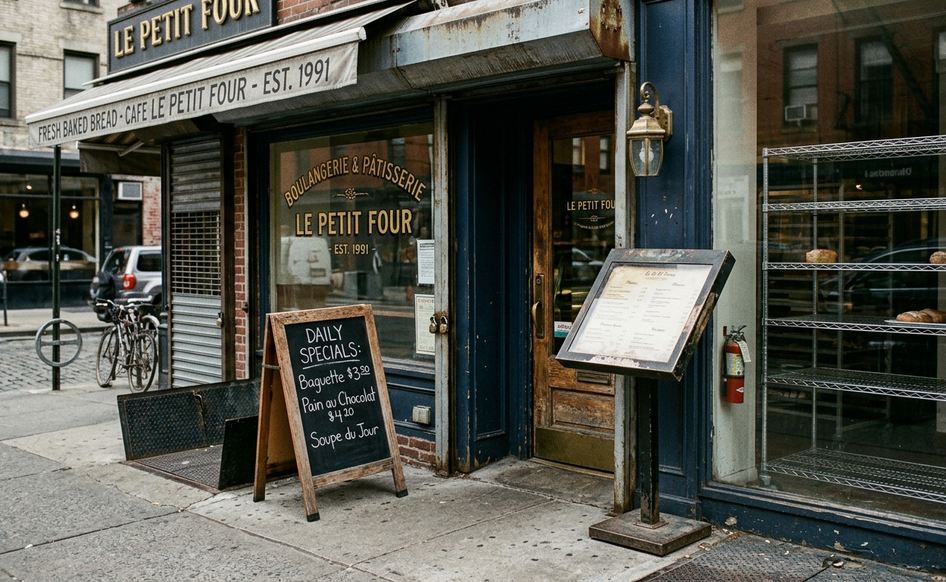
You cannot make this judgment after a single weekend stroll. You need to track this storefront mix over around a 3-to-11-month range before calling it a definitive pattern. Initial pricing adjustments at the surviving legacy spots usually follow right behind these cosmetic exterior changes.
Pro Tip: Pay attention to the dumpsters and delivery trucks in the alleys behind the restaurants. They often signal build-out activity and new supplier contracts long before the front windows change.
Why Menus and Prices Shift First
Why do the menus always seem to change before the paint does? Menu adjustment is the first operational lever a restaurant owner can pull. They can update ingredient sourcing, recalibrate portion sizes, and introduce new cuisines much faster than they can relocate or rebuild a dining room.
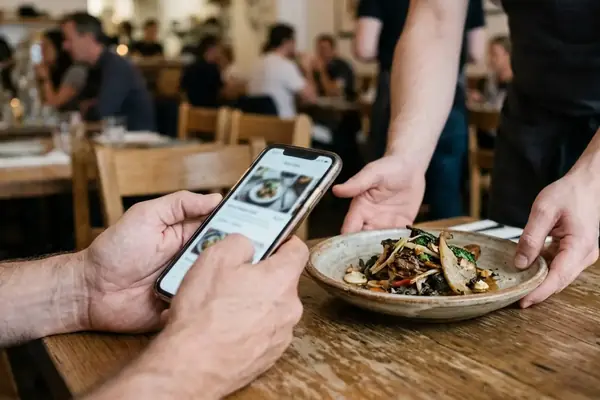
A careful menu read requires looking past the headline items. In our menu checks, a 15% increase across 7 comparable core items is stronger evidence of neighborhood shift than the sudden appearance of a single expensive entrée. The core items—the basic burger, the house salad, the drip coffee—tell the truth about a restaurant's baseline operating costs. You have to review menu snapshots gathered over a 7-to-23-month range to separate long-term trend changes from one-off supplier pressure.
Warning: A longtime restaurant may raise prices by roughly 15% because of supplier costs while keeping the same ownership, staff, recipes, and regulars, so price movement alone is not proof of cultural turnover.
How the Crowd Mix and Local Identity Transform
I always follow the room, not just the menu.
I watch who gets greeted by name at the host stand. I notice who lingers over coffee after paying, and which tables confidently ask for off-menu substitutions. When a neighborhood's identity transforms, the demographic changes at the tables are stark. The loss or adaptation of longtime regulars creates a quiet tension between old and new community voices.

Member feedback indicates that you should look for a 30% drop in repeat visible regulars across comparable service periods before describing it as a true regulars' retreat. To be certain, observe at least 9 service windows across a 4-to-13-week range. Make sure to include weekday lunch, weeknight dinner, and the weekend peak. Keep in mind that a Northside block near transit, nightlife, or visitor lodging can show faster crowd shifts than a residential side street even when both add the same number of new restaurant concepts.
Practical Ways to Read and Respond to These Shifts
Knowing how to read these shifts changes how you dine. It moves you from a passive consumer to an active participant in your neighborhood's culture.
Start by asking questions when you visit. Ask the staff what stayed on the menu and whether they can explain the restaurant's connection to the neighborhood. Support businesses that retain their local roots, even as they adapt to survive. We use a 5-of-9 signal threshold before deciding that a block has substantially turned over. It is better to revisit the same restaurants over a 6-to-21-month range before changing your dining habits based on a perceived neighborhood shift.
We have documented—though this read is weaker on blocks with heavy seasonal tourism, where temporary pop-ups can mimic long-term lease turnover—how these transitions reshape our restaurant scene.
Key Takeaway: Block-Change Reading Checklist for Diners
- Compare 7 core menu items with earlier photos or saved menus.
- Look for at least 3 simultaneous storefront signals: new signage, changed hours, lease notices, construction, or concept replacement.
- Ask whether the staff can explain the neighborhood connection.