Why a Poor First Choice Can Derail the Evening
Start by defining the evening before choosing the restaurant. Are you looking for a quick meal, date-night pacing, family tolerance for noise, or a visitor-friendly Northside atmosphere? Our experience suggests that diners often skip this step—focusing solely on the food. The rejected alternatives are picking a place based purely on a single glowing review or a striking exterior.
A common failure case: a restaurant can have excellent food and still be the wrong first choice if the room is too loud for conversation, the menu offers only one suitable dish for a restricted diner, or the real bill exceeds the planned spend after beverages and add-ons. Mismatched expectations create lasting negative impressions.
Flag the choice if about 60% or more of recent diner comments mention waits, cramped tables, loud rooms, or unexpectedly small portions. To get an accurate picture of the current operation, review comments, current menu pages, and recent photos from roughly the previous 15-45 days before the planned visit.
Read the Menu Like an Insider
Most beginners scan a menu looking for what sounds good right now. A steadier approach is reading the menu in passes. First, identify repeated ingredients or techniques. Next, compare those items with generic crowd-pleasers. Finally, check whether the descriptions justify the price. The ruled-out strategy is assuming every dish receives the same level of kitchen attention.
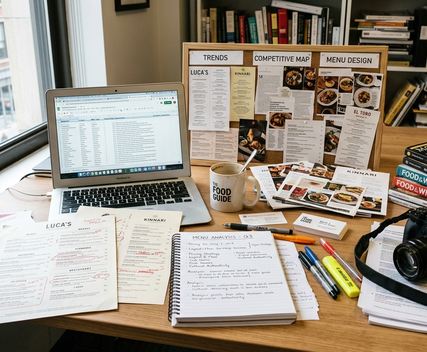
Treat a dish as a probable signature only when it appears in at least 3 menu contexts and when around 65% of its description is concrete detail rather than generic praise. Spotting these signature dishes versus filler items takes practice.
Pro Tip: Look for specific sourcing and preparation methods in the text rather than relying on adjectives like "delicious" or "famous."
Because kitchens adjust offerings frequently, compare posted menus and guest-uploaded menu images from a close to 10-30 day range to catch recent edits. Seasonal language often signals a menu in transition.
Gauge Mood and Energy Before You Arrive
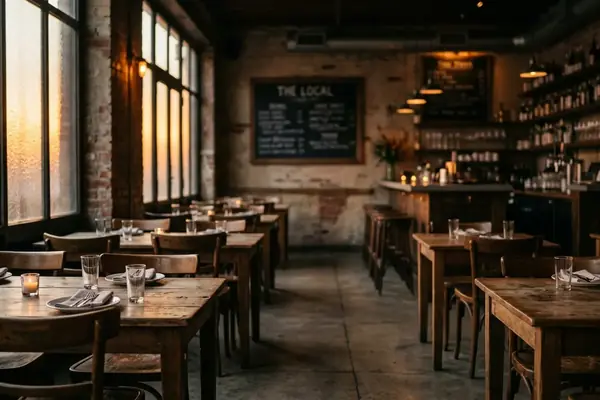
How do you know if a dining room matches your plans? Assess the room before arrival by looking at lighting, table spacing, bar placement, and how people appear to move through the dining area. The decision process rules out assuming that good food automatically equals the right vibe.
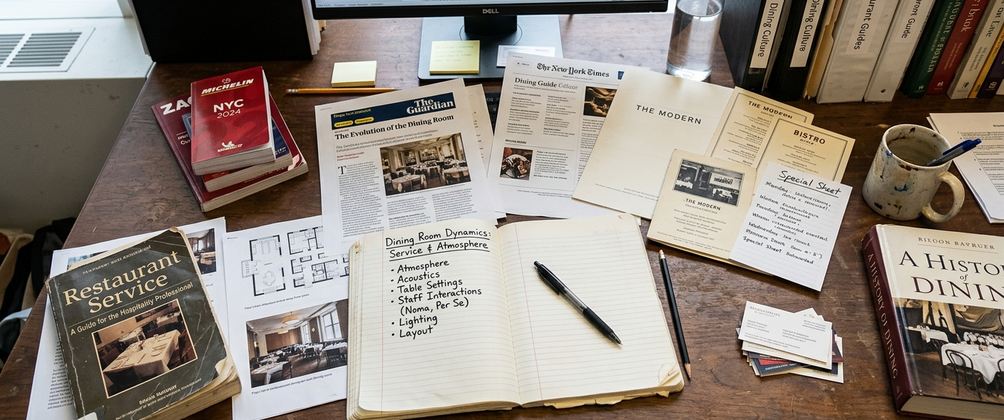
Community observation suggests you should consider the atmosphere mismatched if roughly 55% or more of recent visual evidence shows dim lighting, tight seating, standing waits, or bar-led crowding inconsistent with the planned occasion. Context-dependent variation matters heavily here. A lively bar-led dining room may be ideal for a casual Northside night out but a poor fit for a quiet anniversary meal, while a slower reservation-only room may frustrate visitors looking for a fast pre-show dinner.
Use photos, short clips, and seating references posted within about a 5-20 day range, because room setup can shift quickly. This helps the room match your specific plans.
Decode Pricing Without Surprises
Build the expected bill from the middle of the menu rather than the cheapest entrée. Calculate one main, one shared starter or side, one beverage, tax, tip, and any listed service charge—the true cost of the meal. The discarded alternative is looking only at the main course prices and assuming the rest will balance out.
Member feedback indicates that diners frequently underestimate the final tally. Identify hidden costs and beverage markups early.
Warning: Hidden fees and separate sides can rapidly inflate the baseline menu prices.
Add a close to 25% buffer above the visible food subtotal when menus show separate sides, beverage-heavy formats, or service-fee language. Check price mentions and menu images from around a 15-30 day range, since beverage lists and specials change faster than core entrées. Align budget expectations with realistic per-person totals before you book.
Look for Service Clues in Advance
Look for service clues before booking by checking reservation rules, cancellation wording, phone or message response, and whether recent guests describe the same service pattern repeatedly. The rejected approach is assuming service quality is entirely unpredictable until you sit down.
We track how these early interactions predict the in-house experience. Strict, punitive cancellation wording often correlates with rigid dining room management.
Treat service risk as meaningful when around 65% or more of at least 7 recent service-specific comments describe the same issue or strength. Prioritize feedback from roughly a 25-55 day range so the evidence reflects the current host stand, kitchen pacing, and staffing pattern.
Confirm the Restaurant Fits Your Needs
Make the final choice by matching the restaurant against nonnegotiables. Consider dietary needs, travel time, reservation certainty, weather exposure, and parking or transit friction. Decide if the experience justifies travel and effort.
During practice, we found that you should require at least 5 plausible menu options for a diner with restrictions, or at least 3 options if staff confirm modifications clearly; below that, the first-visit risk rises sharply. Confirm menu and logistics within a close to 3-10 day range before dining, especially for seasonal menus, limited seating, or weather-sensitive patios. This final check helps prevent arrival surprises.
Caveat: this method is less reliable for brand-new openings with fewer than about 10 independent diner reports in a 15-30 day window.
Key Takeaway: First-Visit Confidence Checklist
- Define the occasion in 5 terms: pace, noise tolerance, budget, dietary needs, and travel effort.
- Identify at least 3 menu items that look intentional rather than generic.
- Check whether recent photos from the last 5-20 days match the expected atmosphere.