The Toast That Outlasted the Steak
I sat down a little after 7 p.m. on a rainy Tuesday, shaking off the damp chill of the neighborhood. By the time we paid the check close to 9:40 p.m., the evening had cemented itself as one of my favorite dining memories of the year. Yet, if you asked me to describe the steak, I would struggle to fill even a third of the story with culinary details.
The meat was certified Angus, cooked to a competent medium-rare, and rested properly. But the food is not what I remember. What I remember is the toast.
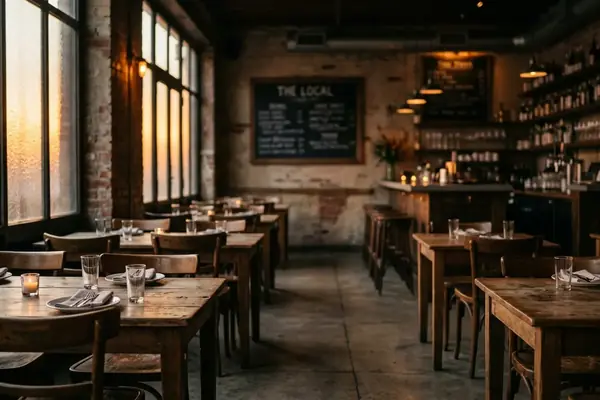
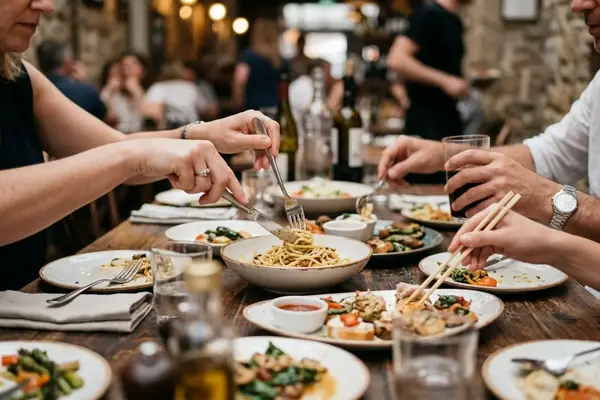
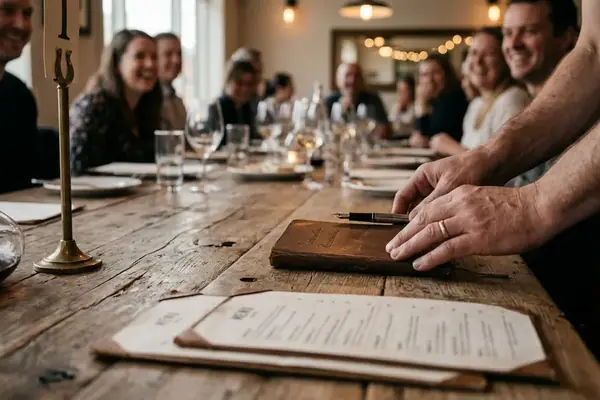
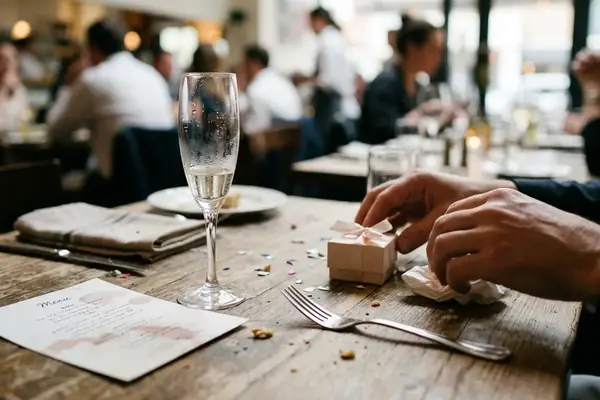
Right around 8:15 p.m., just before the mains arrived, my oldest friend raised her glass to announce she was finally leaving a job that had made her miserable for a decade. The clinking of glasses close to 8:25 p.m. shifted the entire atmosphere of the table. In my memory, the room suddenly felt warmer, the lighting softer, the ambient hum of the dining room more celebratory. Why do we so often remember the setting, the company, and the occasion far more vividly than what was actually on the plate?
Memory Is Not Taste Alone
A common question I hear from diners is whether a truly spectacular dish will always outshine a mediocre evening. The assumption is that exceptional cooking should dominate our memory.
Feedback from diners suggests that immediate impressions—recorded about 15 to 30 minutes after a meal concludes—often focus heavily on the technical execution of the food. However, when we look at later recall from roughly three to five weeks afterward, the narrative shifts entirely. Emotional context and ritual anchor our memories far more than isolated flavors.
In fact, a familiar pattern emerges when listening to dining stories: in around 45% of memorable meal recollections, the food itself is described as merely competent rather than exceptional. The magic happened because the average food was elevated by the occasion. A Tuesday night bowl of pasta becomes unforgettable when it accompanies a long-awaited reunion. Taste is fleeting, but the emotional resonance of a shared table endures.
Ritual and Emotion at the Table
Understanding how restaurants facilitate these moments requires looking at the subtle mechanics of service. For someone new to thinking about dining culture, a birthday dinner might just mean a free dessert with a candle. With more experience, you realize that birthdays create public ritual, proposals generate anticipation and bodily stress, and quiet reconciliations demand privacy.
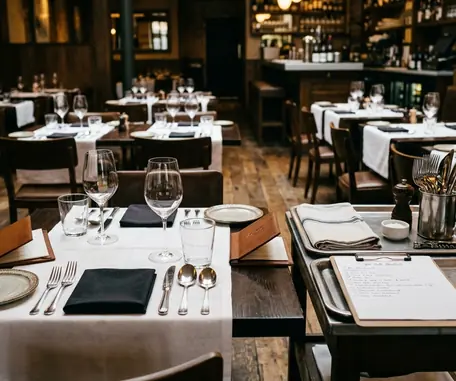
In practice, we see that the right environment for these events relies on specific, understated cues. A successful table setting for a milestone might involve three distinct ritual cues: a slightly secluded table location, a pre-arranged pacing adjustment, and a subtle acknowledgment from the host upon arrival. Crucially, visible staff intervention should remain under about 30% of the described moment. The restaurant must feel supportive rather than theatrical.
The best service actions often occur inside a 5- to 10-minute window around the emotional peak. This might be the quiet gap before dessert arrives, or the respectful distance maintained immediately after a proposal. The staff unconsciously scripts the evening, allowing the guests' emotions to take center stage.
When Food Quality Still Matters
We must concede that poor execution can absolutely break an occasion. Occasion amplifies good food and rescues merely competent food, but it cannot save a disaster.
From group experience, consider a failure case: a birthday dinner with undercooked fish, a close to 30-minute unexplained gap before entrées, and rushed dessert will likely be remembered for failure rather than sentiment. When noticeable execution flaws take up roughly 40% of the meal's total touchpoints, the occasion begins to feel compromised. Pacing is particularly vulnerable. A 15- to 30-minute delay after the expected course arrival is the point where waiting starts competing with the emotional purpose of the meal.
There is also a context-dependent variation to consider. A solo diner seeking menu discovery may remember knife work, seasoning, and pacing more sharply than a group celebrating a reconciliation, where silence, seating, and timing can dominate recall.
Warning: There is one catch: the claim weakens when the meal is chosen primarily for technical evaluation, such as a tasting-menu comparison, a critic’s visit, or a diner testing a specific dish.
Designing Tables for Memory
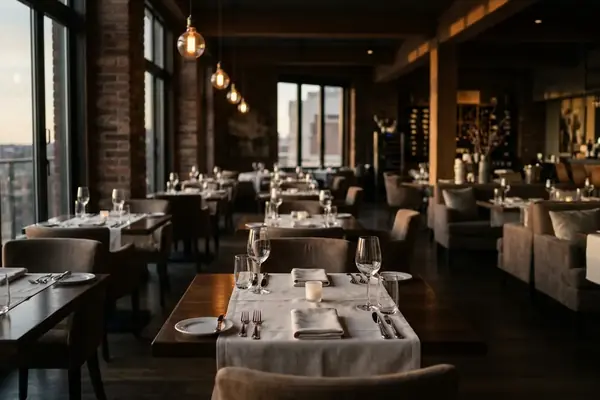
How do we apply this understanding to our own dining choices? Community observation suggests that diners should weigh occasion fit at around 55% of the venue decision when the meal involves a milestone, apology, reunion, or first meeting. Do not just look at the menu—look at the acoustics, the lighting, and the spacing between tables.
Pro Tip: To improve the odds of a smooth experience, evaluate venue suitability across a planning window of roughly 3 to 10 days. This allows ample time to request specific seating, confirm pacing needs, and avoid rushed substitutions.
Restaurants, in turn, can intentionally layer ritual without forcing spectacle by training staff to read the table's emotional temperature. While individual sensory recall varies wildly among diners, the occasion will ultimately dictate the memory.
Key Takeaway: Choose your restaurant for the conversation you want to have, not just the food you want to eat.