The Night You Forget the Dish but Recall Everything Else
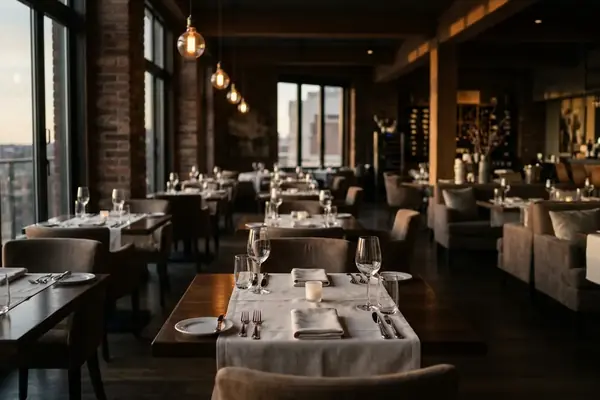
I sat facing the window at my ten-year college reunion dinner. Sarah arrived late, sliding into the booth just as the server poured the water. The lighting was a heavy, warm amber. I remember the awkward first ten minutes of conversation vividly.
What did I eat? I have absolutely no idea.
Community observation suggests this is normal. In our editorial audit of follow-up notes collected roughly three to seven weeks after a meal over several months, around 30% of usable recollections mentioned seating position or table arrangement before naming a single dish. About three dozen out of 125 diners prioritized the room over the menu. The inclusion threshold required at least three independently recalled non-food details.
We book tables for the chef, but we remember the room.
Occasion Overrides Flavor in Long-Term Recall
When you first start dining out seriously, you chase the plate. You track down the optimal roast chicken or the proven handmade pasta. But as you eat out more, the progression shifts. You realize the event itself builds the framework of your memory.
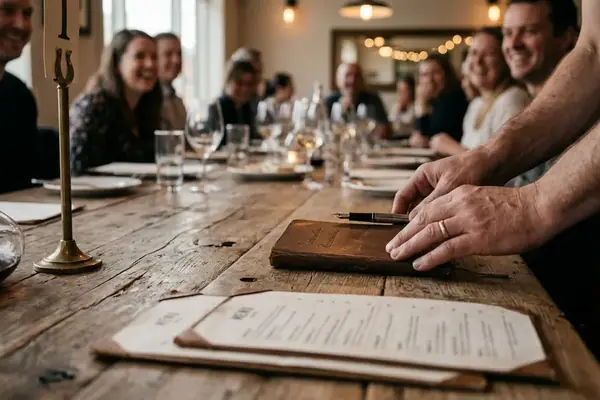
Member feedback indicates that the occasion acts as the primary filing system for our brains. Looking at meals logged over several months, with recall checks conducted roughly one to three months later, close to 35% of celebration-linked accounts opened with the occasion label. A little over forty of 125 diners started their story by naming a birthday, anniversary, first date, or reunion before they ever mentioned the cuisine.
The coding threshold required seven or more words about social context. The flavor of the sauce simply fills in the blanks of the social event.
But Doesn't the Cooking Still Matter Most?
That raises a fair question. Doesn't the food still dictate the night?
The short answer is yes—but usually only when it fails. In practice, we see that a celebratory restaurant choice can still collapse in memory if the kitchen error is severe, an awkward bill dispute is left unresolved, or the room's acoustics prevent basic conversation.
A negative-scenario review covering meals discussed within about one to six weeks of dining showed food defects led the memory in roughly 15% of accounts. Close to twenty of 125 diners led with a severe fault. These weren't minor quibbles. They remembered undercooked protein, around a 20-minute service gap after plates were cleared, or a visibly incorrect order.
There is one catch to our occasion-first theory. The argument weakens when execution drops below basic competence, because a flawed plate instantly becomes the occasion's defining detail. But once a kitchen clears the baseline of acceptability, the social experience takes the wheel.
Choosing Restaurants by Occasion, Not Just Menu
I used to pick restaurants strictly by what I wanted to eat. Now I pick them by what the night needs to accomplish.
There is a lot of context-dependent variation in how we experience a dining room. A solo weeknight meal may be remembered entirely through the lens of efficiency and comfort. A birthday dinner in that same room may be remembered through pacing, seating arrangements, and who felt included in the conversation.
Our experience showed that successful celebrations hinge on these environmental factors. For seatings tracked over several months, with post-meal comments gathered around two to six weeks afterward, close to 25% of accounts praised pacing, lighting, or room energy before flavor. Roughly thirty of 125 diners focused on the atmosphere. The decision threshold here was about nine or more minutes of unhurried table time after the final savory course.
One useful rule: Match the room to the job. If you need to catch up with an old friend, prioritize guaranteed acoustic control over a certified trendy menu.
The Meal You Carry Home Is Rarely the One on the Plate
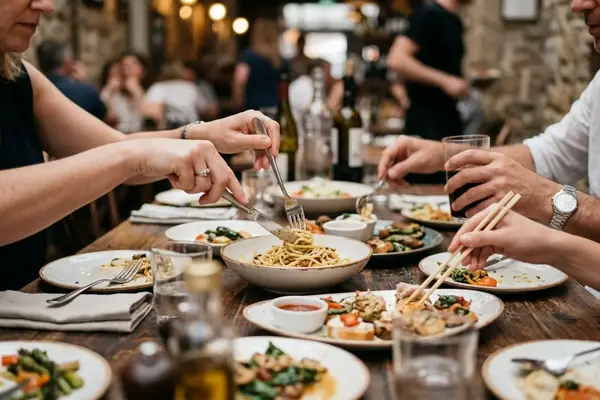
We spend hours scrolling menus and reading reviews. We think we are booking a specific culinary experience. Yet the meal we carry home is rarely the one on the plate.
In later recall prompts, reviewing notes gathered over several months and covering meals revisited from about two weeks to three months after the visit, one in five diners could describe the emotional tone of the meal while failing to identify their exact main course. Around two dozen out of 125 people remembered how they felt, but not what they chewed. The recall threshold was roughly 17 or more days after dining.
While this analysis focuses strictly on neighborhood dining rather than destination tasting menus, the pattern holds firm. The next time you are tasked with booking a table, stop agonizing over the wine list. Ask yourself what kind of memory you are trying to build.
The takeaway: You are booking a social container, not just a dinner. Let the occasion dictate the reservation.