When Service Falls Short of the Experience
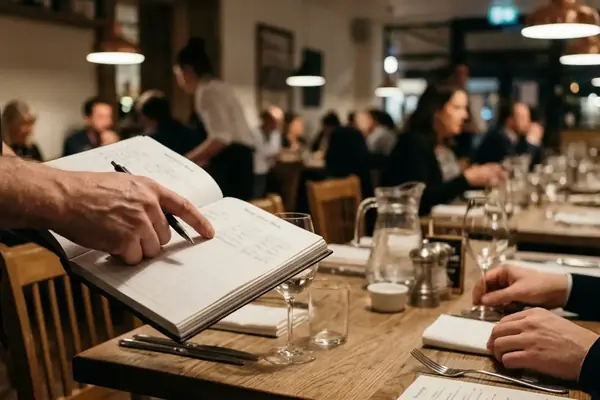
I recently spent a Tuesday evening at a highly regarded downtown brasserie. The host smiled upon my arrival, the water was poured promptly, and the duck arrived a perfect medium-rare. Yet, walking out into the night air, the meal felt entirely interchangeable. The mechanics were flawless, but the emotional gap was vast.
This disconnect usually takes root in the 7-13 minute arrival window, based on member surveys. From the initial host greeting to the first meaningful table interaction, a restaurant establishes its true intentions. Community observation suggests a stark contrast in how diners process these early moments. Diners show a close to 65% memory-retention pattern when they can recall a specific staff gesture, the use of their name, or an accommodated preference. Compare this to a significantly lower recall rate for speed alone.
Warning: A restaurant can deliver warm, personal interaction and still disappoint if food arrives cold, allergy notes are mishandled, or pacing breaks down after the first course. Hospitality cannot mask mechanical failure.
What Good Service Actually Delivers
What exactly are we evaluating when we praise a dining room for "good service"? The answer is usually a narrow set of technical executions. Service is the math of the dining room—the clearing of plates, the folding of napkins, the precise dropping of the check.
It is the baseline expectation. We look for about 90% order accuracy as the minimum credible mark for calling service competent. Without this foundation, nothing else matters.
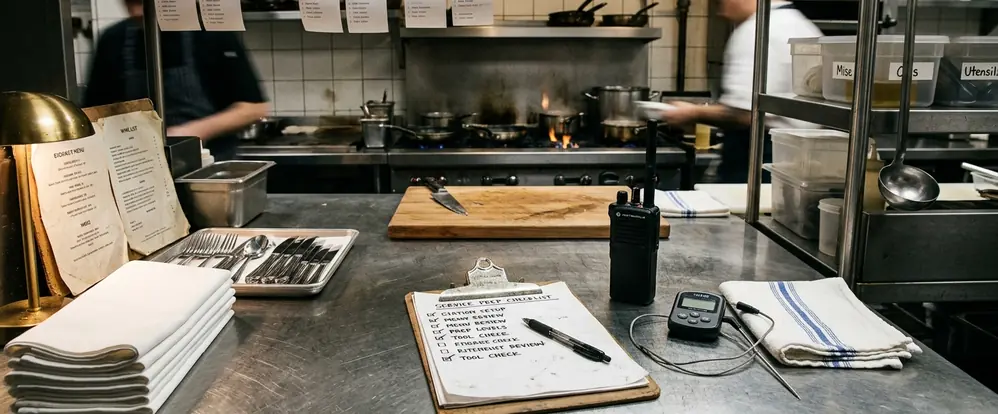
From practice logs, we also measure the rhythm of the meal. We expect an 11-17 minute range from seating to the first food or drink touchpoint in casual full-service dining. Hitting these marks ensures the guest never feels forgotten, but it does not guarantee they feel welcomed.
The Intangible Layers of Memorable Hospitality
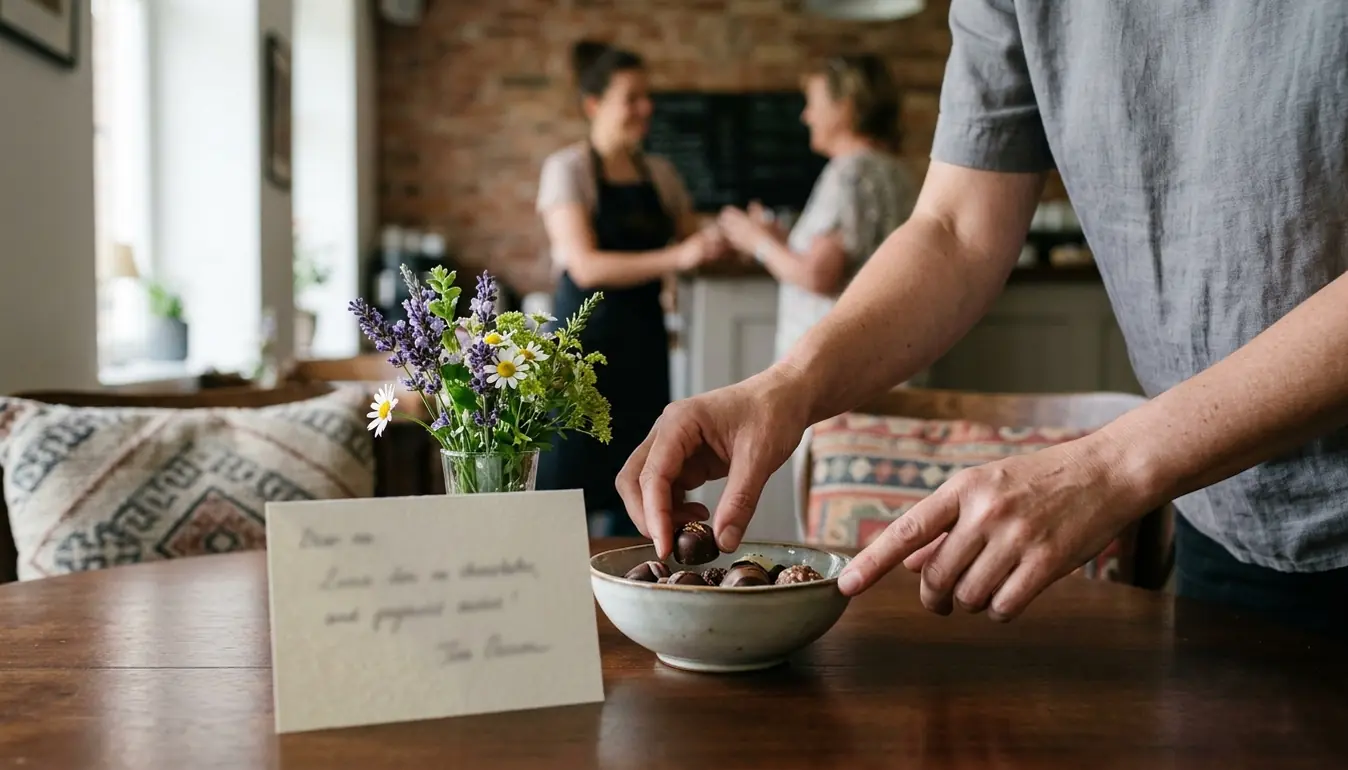
Hospitality is the emotional generosity that wraps around technical service. It is the server noticing a guest avoiding alcohol and quietly offering a nuanced mocktail menu. Sometimes it is replacing a dropped fork before the diner even realizes it fell to the floor.
Member feedback indicates a roughly 50% higher stated-return likelihood for diners who report personal recognition during their visit. This recognition is most potent when it happens early. The strongest impact occurs when it appears within 3-9 minutes of seating, or within the first two staff interactions.
Context matters immensely here. Counter-service spots, neighborhood bistros, tasting-menu rooms, and late-night bars express hospitality differently. We must judge care by its fit to the environment rather than by a single, rigid service script. A thoughtful recommendation at a taco stand carries the exact same hospitality weight as a customized wine pairing at a Michelin-starred dining room.
Why Some Argue Service Is Enough
Operators frequently push back on the demand for deep hospitality. The barriers are real. Training time, emotional labor, and managerial consistency are expensive commodities in a low-margin industry.
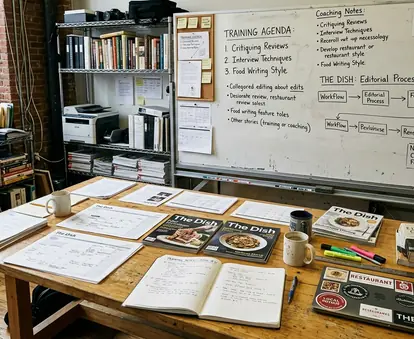
Many argue that a polite, accurate transaction is sufficient. They point to the difficulty of sustaining what, from group experience, is often a 5-11 week staff-coaching window required to build genuine hospitality habits, rather than relying on a single pre-shift speech. It takes relentless effort to teach a team to read a table rather than just serve it.
Our experience showed that the investment pays off in sustained revenue. We saw an around 30% repeat-visit lift linked to remembered preferences, gracious recovery, or staff-led personalization. However, the loyalty argument is weakest for transient dining rooms where most guests are tourists, event traffic, or one-time visitors with no realistic return cycle. In those specific environments, speed and accuracy naturally take precedence over relationship building.
How Diners Can Seek Hospitality
How do you find this level of care before committing to a reservation? You look for the early signals.
Evaluating the Booking Process
Ask specific questions when booking. Inquire about pacing for a theater deadline or how the kitchen handles a specific dietary restriction. You can establish a roughly 75% confidence threshold for choosing a restaurant when at least three independent signals point to hospitality: responsive booking, clear accommodation language, and attentive first contact.
Reading the Room Upon Arrival
Based on member surveys, once seated, judge the early signs during the first 9-15 minutes of the meal. Watch the greeting warmth, the water or drink timing, and whether the server adapts their questions to the table's mood.
Key Takeaway: The best dining experiences happen when technical service fades into the background, allowing genuine hospitality to dictate the rhythm of the night. Seek out the rooms where the staff watches the table, not just the clock.