What Diners Really Notice First
I can usually tell how a meal will taste before I even see a menu. It sounds like a critic's exaggeration. It isn't. The first ten minutes inside a restaurant tell you exactly how the kitchen operates.
We spend so much time obsessing over chef resumes and farm sourcing, but the real story is told in the dining room. In practice, I've learned to focus entirely on the signals diners can verify before the food arrives. The greeting, the cleanliness, the lighting, and the way the staff moves all matter.
No single detail is a guaranteed dealbreaker. We don't give any single first-impression cue more than about 20% of the picture, so one element never gets overstated. The magic—or the disaster—is in the aggregate. Watch what happens in the first ten minutes after you cross the threshold.
How These Details Were Chosen
How did we narrow down the infinite variables of a dining room? We asked a simple question. Is this detail visible to an ordinary diner without special access? It had to appear before ordering or shortly after seating. It also had to connect directly to the eventual quality of the meal.
Member feedback suggests that a detail needs to be observable in roughly 75% of ordinary dine-in arrival paths to matter. We are talking about the host stand, the entry, the table, the menu, and the restroom. This isn't about sneaking into the kitchen.
Based on several years of work with local hospitality management programs, this is a working framework focused strictly on the first-ten-minute window from crossing the entrance threshold to early seating.
1. Host Stand Greeting and Wait Time
The host stand is the earliest staff-controlled signal you encounter. You walk in. You wait. How long is too long?
A slammed host stand with an around two-minute delay can still belong to a well-run restaurant if staff acknowledge guests clearly, quote waits honestly, and keep the entrance orderly. But the practical threshold for a great start is much faster. Acknowledgment within close to 40 seconds is a stronger signal of a well-managed floor than immediate seating. It shows situational awareness.
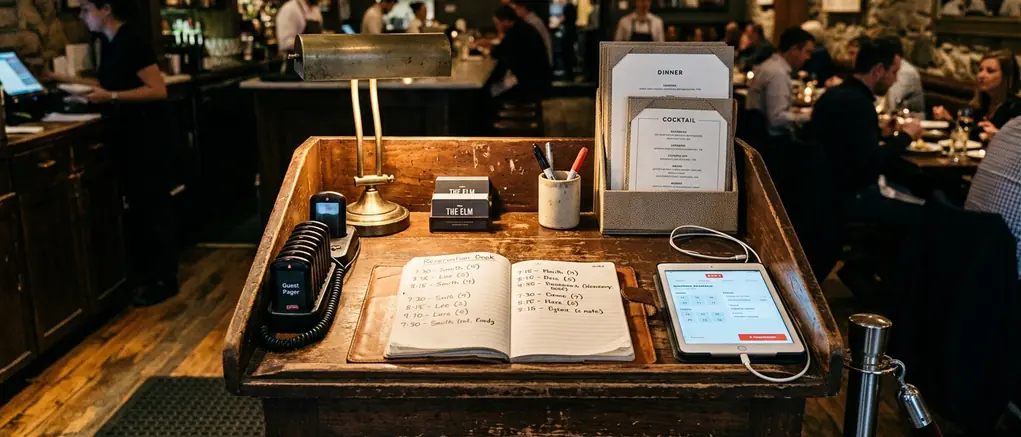
Watch the tone and eye contact during the first couple of minutes after your arrival at the host area. A quick nod goes a long way.
Pro Tip: Don't demand immediate seating. Look for immediate acknowledgment.
2. Cleanliness of the Entrance Area
You see the floor before anyone explains the specials. This is why entrance cleanliness matters so much. It sets a baseline before any service interaction can soften the impression.
There is a difference between ordinary tracked-in moisture on a rainy Tuesday and neglected debris. Community observation suggests that finding 3 or more distinct pieces of litter, napkin scraps, straw wrappers, or food fragments in the entry path is a warning sign.
Take a look at the mats, the vestibule corners, and the immediate host area in the first minute or two after entering. If the front door is ignored, the walk-in cooler probably is, too.
3. Lighting and Overall Ambiance
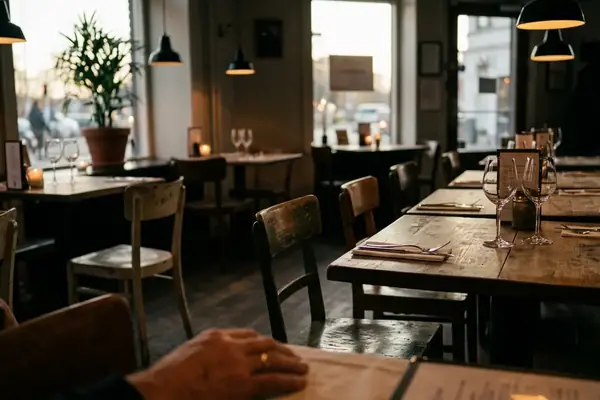
Brightness is not universally good. A romantic bistro needs shadows. A neighborhood diner needs clarity. What you are looking for is intentionality.
Lighting shapes whether you can read, relax, and understand the restaurant's intended mood. The optimal setup feels cohesive. When a room lacks direction, you will notice it quickly. Finding 5 visibly different lighting zones in a small dining room can make the space feel unmanaged unless intentionally designed.
Pay attention to the transition from the host area to the aisle and your first seating zone. This usually registers within the first few minutes after entry.
4. Staff Appearance and Demeanor
You don't need to inspect the prep kitchen to understand a restaurant's management standards. Just watch the floor staff. Neatness, readiness, and calm body language tell the whole story.
I look for clear signs of engagement. Are they scanning the room or staring at a terminal? Our experience showed that 3 repeated signs of disengagement justify real concern. This includes avoiding guests, clustering away from tables, or handling personal items before service contact.
You will spot these behavioral signals easily within the first several minutes after entering, often while you are just waiting to be seated.
5. Menu Condition and Presentation
The menu bridges presentation and operational care. It is a physical object you have to touch and read. Long menus aren't inherently bad, but neglected ones are.
I look for stains, torn pages, sticky covers, and illegible descriptions. A single scuff is normal wear and tear. However, from group experience, 7 visible defects across the menu set is a pattern. Peeling lamination, crossed-out items, and unreadable sections show a lack of daily oversight.
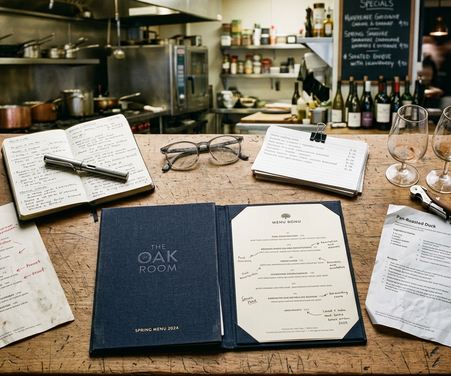
You will evaluate this tactile clue within a few minutes of seating or receiving the menu.
Warning: Sticky menus often correlate with sticky tables.
6. Table Setup and Utensil Quality
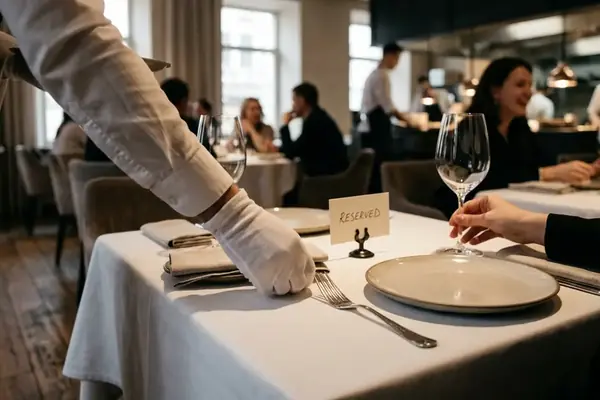
Before the bread arrives, you touch the silverware. Table setup provides immediate tactile clues. Minor alignment variations happen in busy rooms. Sanitation issues are different.
Finding 3 mismatched or missing essentials at one table is a meaningful signal. A missing napkin, a spotted fork, an unstable glass, or a sticky surface all point to a rushed busser and an absent manager.
You will notice these details soon after seating.
7. Background Noise and Acoustics
Comfort starts before the first bite. Background noise heavily influences that comfort, and it is incredibly easy to assess. Can you actually have a conversation? Does the music compete with the sound of the espresso machine?
If a diner must repeat ordinary table speech 3 times within several minutes, the noise level is intrusive. You will gauge this listening range during the first stretch after entry. It covers the host exchange, the walk to the table, and your initial menu review.
8. Restroom Condition
You might not check the restroom immediately. When you do, it strongly colors your trust in the whole operation. It is the ultimate test of hidden cleanliness.
Even one missing soap source plus one missing drying option is enough to undermine confidence. If you find 3 separate issues, like odor, an overflowing trash can, and wet floors, treat it as a severe warning.
Diners who visit the restroom before ordering, usually within the first ten minutes after arrival, often make their final judgment right there.
The Verdict: Reading the Room
A polished dining room with aligned silverware can still disappoint if menus are sticky, the restroom lacks supplies, and staff avoid basic guest contact during the first ten minutes. The trick is to combine these signals.
Do not walk out over one minor flaw. The decision rule favors clusters. Finding 3 independent problem areas within that first visit window can justify reconsidering the meal. A single isolated flaw should be treated cautiously.
Very small, counter-service, pop-up, or intentionally bare-bones restaurants may use different service rhythms, so weigh cleanliness and communication more heavily than polish in those settings.
Key Takeaway: Look for patterns, not perfection.