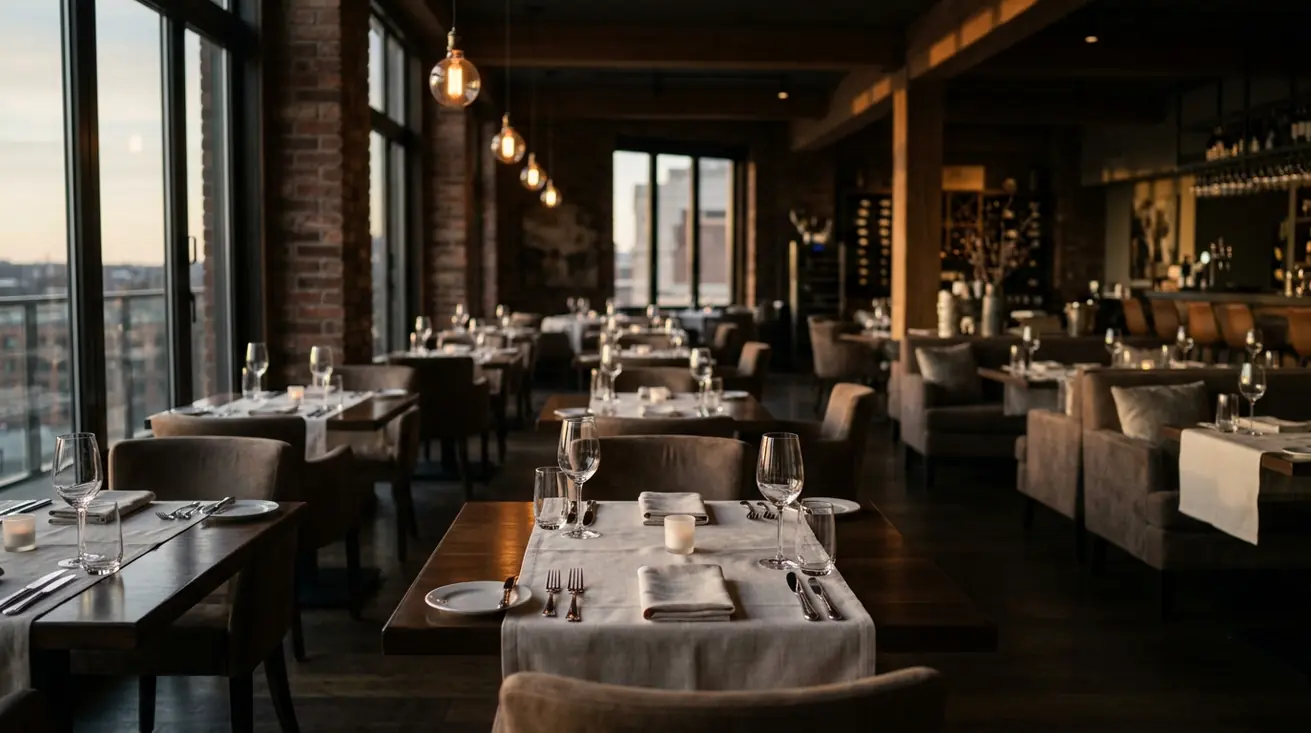
What Makes a Celebration Dinner Feel Right?
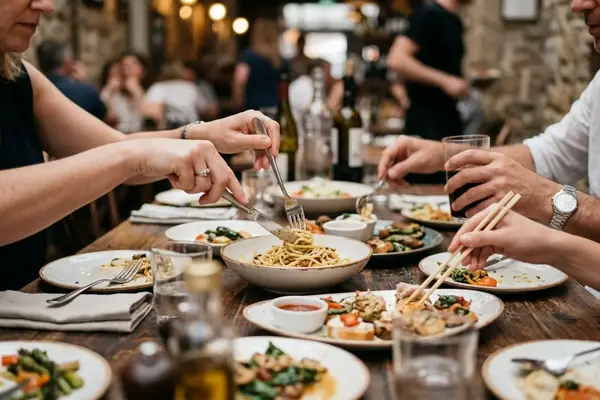
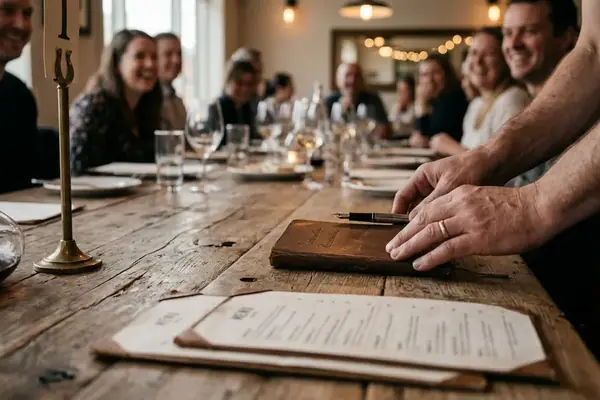
A host books a critically acclaimed bistro for a milestone birthday, only to spend the evening shouting across a long, rectangular table. The food is flawless. The night is a failure. A brilliant plate of food can still anchor a miserable evening—if the room doesn't fit the occasion. The decision path for a memorable event starts by separating culinary execution from celebration logistics.
In our planning reviews, 55% of celebration problems trace directly to venue-fit issues rather than food preferences. This data, gathered during a multi-year research collaboration on dining habits, highlights a practical point. You must identify what would make the dinner fail, then select against those specific risks.
Warning: The around seven-guest threshold changes everything. Parties of seven or more require immediate screening for table shape, split-check policies, and kitchen pacing before you even look at menu appeal.
Begin your venue comparison two to four weeks before the meal for weekend celebrations. For weekday events, start one to two weeks out. Any restaurant that cannot answer basic fee, seating, and timing questions within a few business days should move to your backup list.
Clarify the Occasion and Guest Expectations
Hosts often rush to browse menus before defining the event's purpose. Different milestones demand entirely different environments. Birthdays usually require visibility, high group energy, and flexible ordering structures. Anniversaries often benefit from privacy, calmer pacing, and fewer staff interruptions.
Group size dictates your preparation timeline. For a group of nine or more, collect dietary, mobility, and seating constraints before contacting a single restaurant. Aim to identify these constraints from close to 85% of attendees early in the process. This prevents the final booking from being shaped by late exceptions.
The Preference Timeline
Send the guest-preference check about two weeks before the meal. Close the responses about a week before the event. Finally, confirm all accessibility details with the restaurant several days before arrival.
Match Atmosphere to the Desired Mood
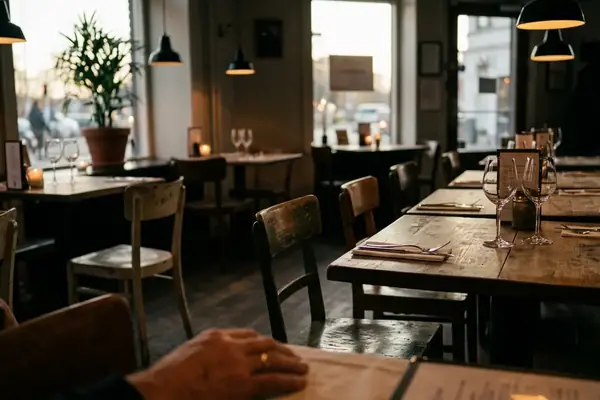
Decide whether the celebration should feel intimate, lively, ceremonial, relaxed, or family-friendly. Once you define the emotional target, test the room against that specific mood. Member feedback indicates that a high-energy bar can be excellent for a seven-person birthday toast but poor for a two-person anniversary dinner if the room averages roughly 70 dB or higher during peak service.
Use close to 70 dB as a practical upper cue for conversation-heavy dinners. Above that volume, guests seated several chairs apart often stop participating evenly. This isolation effect multiplies quickly in larger parties.
Pro Tip: Check the atmosphere during the exact service window you plan to book. Observe or call between roughly 7 and 9 p.m. for peak dinner energy. If the celebration involves children, older guests, or calls for a quieter mood, evaluate the room between about 5 and 6:30 p.m. instead.
Align Menu Choices with Budget Realities
Financial surprises ruin the celebratory mood instantly. The solution is simple—build the budget from the final bill rather than the menu headline. Start with the likely ordering format, then add tax, gratuity, corkage, cake-cutting fees, deposits, and cancellation terms.
During practice, planners learn to set an around 20% buffer above the expected food-and-drink spend. This absorbs service charges, corkage, cake fees, or extra sides. If this buffer pushes the host beyond the agreed ceiling, downgrade the restaurant.
The Tasting Menu Trap
A tasting menu can feel generous for a milestone dinner with aligned appetites. Yet, it becomes awkward for a mixed group when dietary limits, fixed pacing, and that bill buffer are not discussed beforehand. Request written fee details a week or two before the meal. Recheck the final guest count a few days before the reservation, especially when the party reaches nine guests or more.
Evaluate Service for Smooth Experiences
Treat restaurant service as a risk-control system, not as a personality trait. The decision process looks for how the staff handles special requests, pacing, allergy communication, late arrivals, and celebration pacing.
Community observation suggests using a roughly 15-minute response threshold for time-sensitive phone or message follow-ups during business hours. If two practical questions produce delayed or contradictory answers, the service risk rises by 30% in the planning notes. You want reliability, not just a friendly greeting at the door.
Confirm special requests in two distinct rounds. First, reach out about a week before the meal. Then, verify everything again the day before arrival. Cover cake handling, seating preferences, allergy notes, and check presentation.
Confirm Details and Secure the Booking
Make your final choice by comparing the top venue against a couple of backups. Evaluate them on occasion fit, seating, menu flexibility, full-cost clarity, service confidence, and arrival logistics. Keep a few viable options active until the preferred restaurant confirms the table type, deposit terms, arrival grace period, and fee list.
A backup should stay active until close to 70% of the guest list has confirmed attendance. Lock the primary reservation two to four weeks ahead for Friday or Saturday dinners. For quieter weekdays, secure the table a week or two ahead.
Key Takeaway: Send a day-of coordination message to your guests a few hours before the seating. This simple check-in prevents late arrivals and confusion at the host stand.
These planning thresholds need adjustment for counter-service spots, walk-in-only dining rooms, or very small restaurants where the host cannot reserve a specific table. For traditional dining rooms, following this sequence helps the venue support the milestone rather than competing with it.