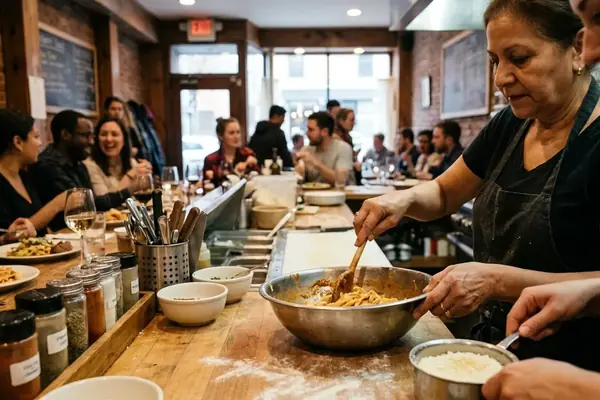
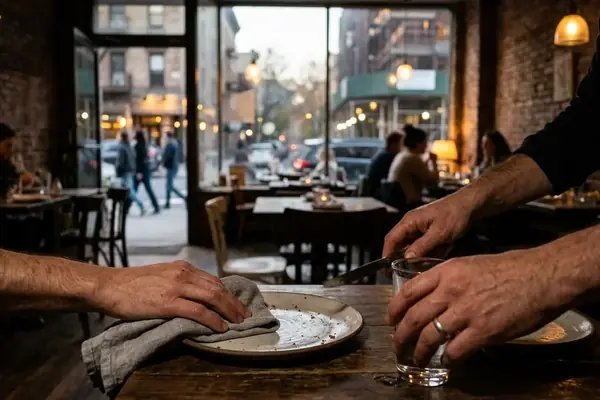
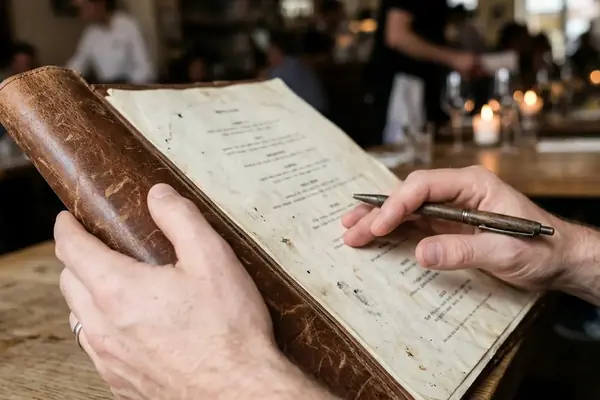
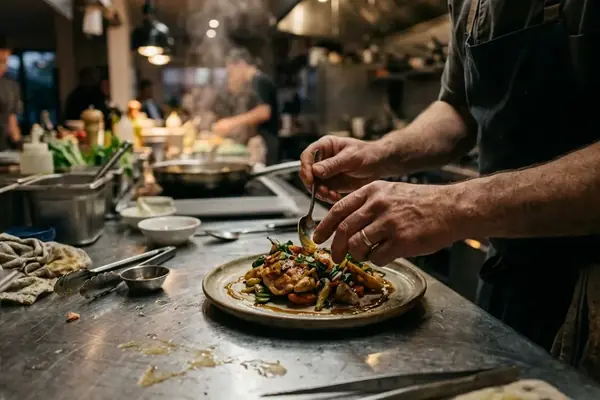
A single restaurant reservation dictates the rhythm of your entire evening. You sit, you order, you wait, and you eat at the pace the kitchen allows. Breaking that structure requires deliberate planning. A restaurant crawl shifts the control back to the diner, turning a static three-hour meal into a moving tour of a neighborhood's best dishes. Doing it well means watching geography, menu structure, and service cadence.
Select Three to Four Compatible Venues
Most diners build a crawl by listing places they want to try, regardless of location. That often breaks the plan. Transit time destroys dining momentum.
Begin by drawing a tight Northside walking pocket. Keep all selected venues within roughly two blocks of each other, or within a 5- to 8-minute walk per leg on ordinary sidewalks. A compact Northside dining strip can support a four-stop crawl on foot. A more spread-out corridor may need three stops because street crossings, weather, and parking searches add delay even when the map distance looks short.
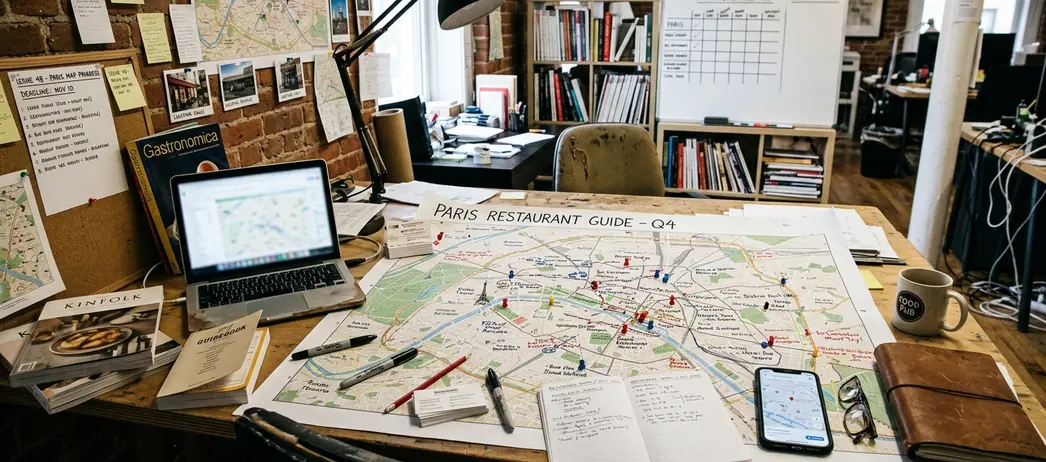
List only venues whose current menus show shareable formats such as small plates, bar snacks, mezze, dumplings, crudo, tacos, skewers, or desserts. Check menus 24 to 72 hours before the crawl. Small-plate sections, happy-hour food, and late-night desserts can change faster than main entrées.
Warning: A group books three entrée-focused restaurants at 6:30 p.m., 7:30 p.m., and 8:30 p.m. The first kitchen runs 15 minutes late, the second meal becomes rushed, and the final stop turns into an unwanted full dinner instead of a dessert or nightcap.
For a three-stop crawl, target one snack-led venue, one savory shared-plate venue, and one dessert or nightcap-friendly venue. For four stops, add a vegetable, seafood, or raw-bar-style course rather than another entrée-heavy stop.
Map the Route and Set Precise Timing
During our visit to a particularly dense dining corridor, the entire evening hinged on a single 8:30 p.m. table. Anchor the route around the venue with the least flexible reservation time, then work backward into earlier stops and forward into the final stop.
Across multiple seasons, a 45-minute block per stop is a useful working model. This allows 5 to 8 minutes to be seated and order, 20 to 25 minutes to eat, 5 minutes to settle the bill, and the remaining time for a short walk or delay. Insert a 20-minute buffer between locations even when the walk is listed as shorter. Host-stand waits, check processing, and restroom stops can absorb that buffer quickly.
A practical four-stop schedule is 6:00-6:45 p.m., 7:05-7:50 p.m., 8:10-8:55 p.m., and 9:15-10:00 p.m. Place the latest-reservation venue where its confirmed time falls.
Order Strategically at Each Stop
At each table, order for the crawl rather than for a conventional dinner. The first person to speak with the server should say the group is sharing lightly and moving to another nearby reservation. This establishes the pacing expectation immediately.
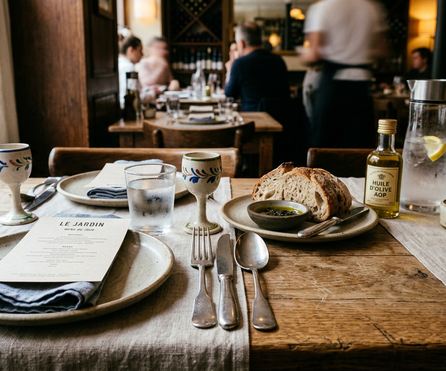
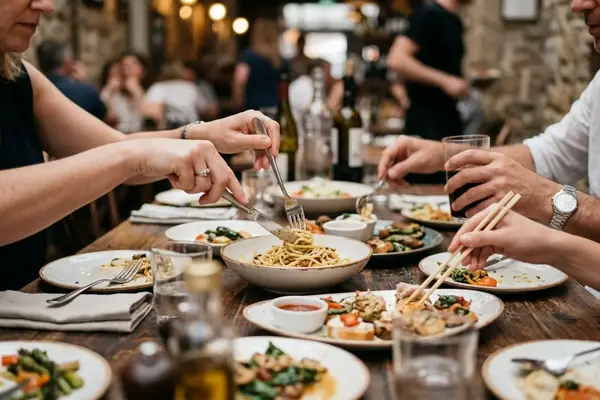
For a party of four, start with two shared dishes at the first stop. Order two to three shared dishes at the middle savory stop. Finish with one sweet or cheese-focused plate at the final stop. Request half portions or shared plates only. Skip heavy appetizers at the final venue.
Pro Tip: Place the food order within the first 7 to 10 minutes after seating, and ask for the check by minute 35 if the schedule uses 45-minute blocks.
Coordinate one drink per location maximum. If cocktails are involved, order them only at stops where the food order is short and kitchen timing is predictable. This format is a poor match for tasting-menu rooms, prix fixe-only dining rooms, or venues that require the whole table to commit to a full multi-course format.
Manage Energy and Portion Intake
Pacing decisions should be made after each stop, not at the end of the night when the group is already full. After every course, quickly classify the table as light, medium, or heavy based on richness.
- Light: Raw, vegetable-led, or broth-based.
- Medium: Shared protein or starch.
- Heavy: Fried, creamy, cheesy, or entrée-sized.
Track cumulative calories qualitatively using this log. Alternate water with each course. Drink one glass of water at each venue before ordering the next alcoholic drink. A typical restaurant water glass is enough for this purpose—without turning the stop into a pause.
Stand and walk briefly between tables. Walk or stand for 3 to 8 minutes between tables instead of moving directly from chair to chair. This helps after fried food, pasta, or large bread portions. While restaurant pacing varies wildly by kitchen staffing, managing your own intake keeps the evening moving.
Handle Reservations and Contingencies
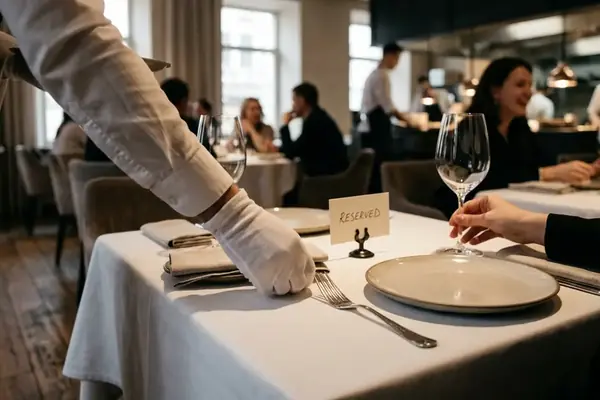
Treat reservations as one connected itinerary. Book every table for the same party size. Confirm the chain on the morning of the crawl so one inaccurate headcount does not collapse the later stops.
Confirm reservation times, party size, indoor-or-outdoor seating, and cancellation terms between 8:00 a.m. and 11:00 a.m. on the day of the crawl. Record each cancellation deadline exactly as the venue states it, including same-day cutoffs, card-hold terms, or late-arrival grace periods.
Identify one guaranteed backup restaurant nearby. Choose a backup within a 5- to 10-minute walk of the second or third stop, because those are the points where delays most often force a course to be shortened or skipped.
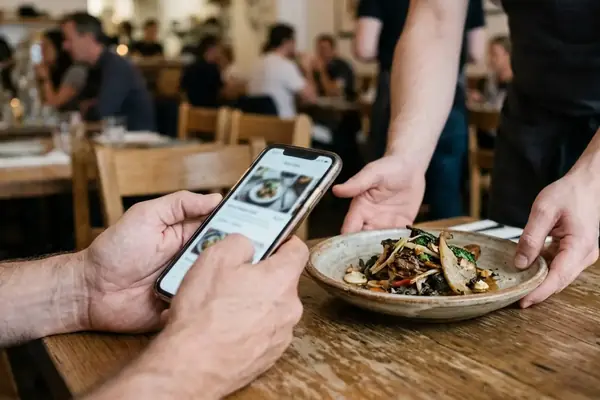
Open your reservation app right now and secure the hardest-to-get table for your desired night. Once that anchor time is locked, map a two-block radius around it and book your preceding and following stops immediately.