Two Tables, Two Different Promises on a Tuesday
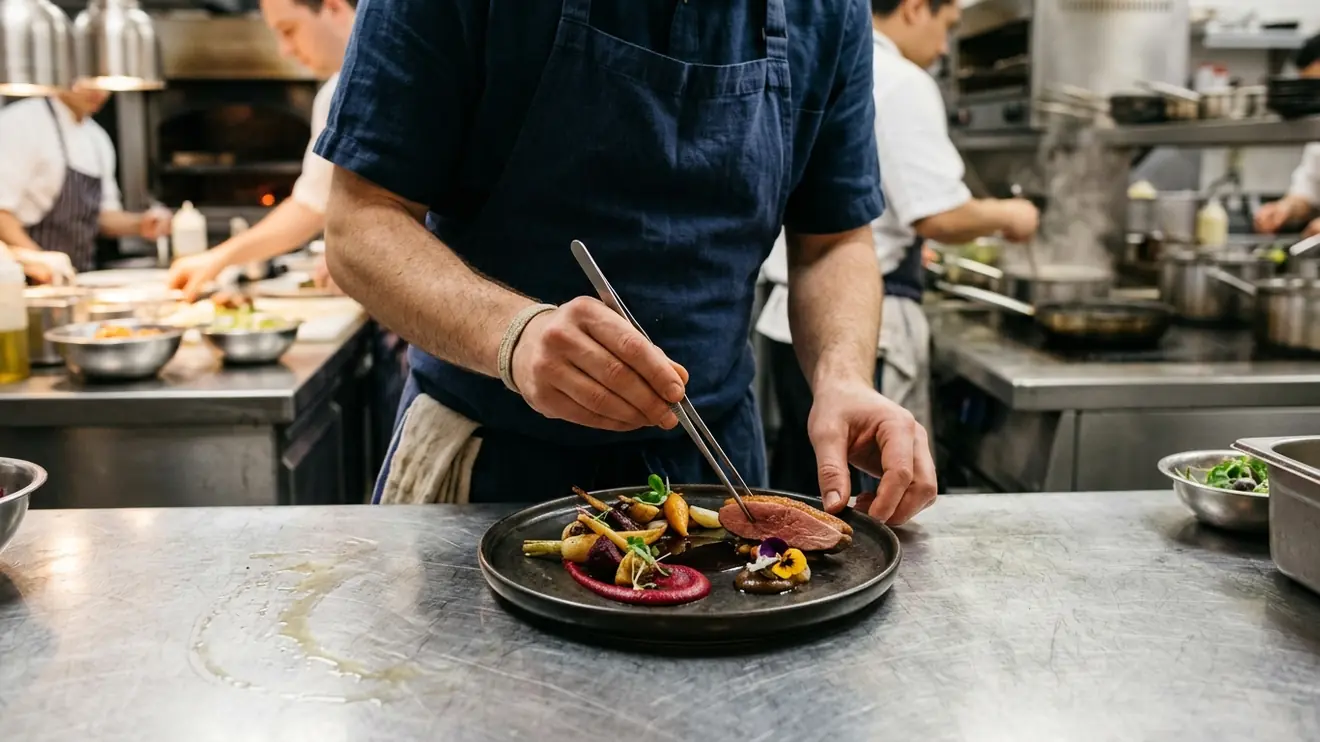
A diner sits at a chef’s counter on a Tuesday evening, watching a cook inspect a late delivery of black sea bass. The fish looks right. A ticket is called to the line, and a plate leaves the pass that never appeared on the printed menu. Cut to a second dining room across the neighborhood during that same 6:30 to 8:30 p.m. window. The host’s greeting, the menu categories, and the exact placement of the garnish on the plate match the photographs the guest saw while booking.
Both rooms serve serious food. One meal feels like an ongoing conversation with a cook. The other feels like a finished, polished production. This fork in the road separates chef-driven kitchens from concept-driven dining rooms—understanding how each model writes the menu changes what a guest should expect.
When the Pass Belongs to the Cook's Whim
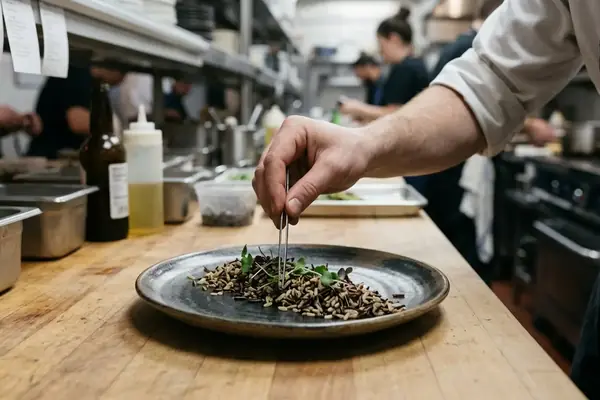
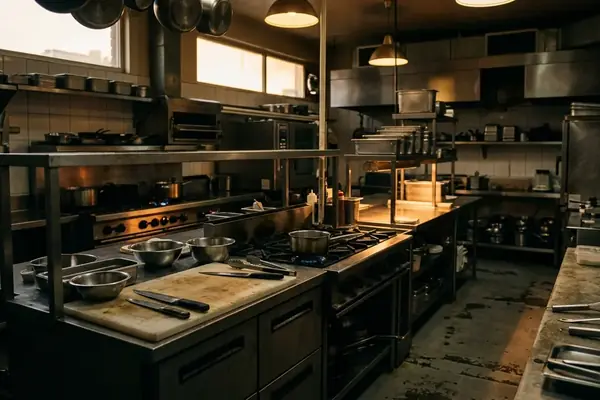
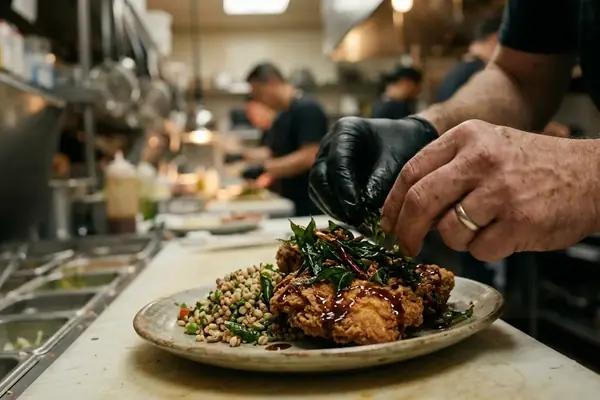
Authority in a chef-driven restaurant moves directly from the ingredient to the pass. A local producer offers a limited run of squash blossoms. The chef inspects the delivery, assigns a preparation, briefs the line, and authorizes the dish for service. If a cook reports that a new herb bed turned out weak, the chef revises the plate before the next ticket prints. The meal feels personal and tied to exactly who is standing in the kitchen that night.
The signs sit in plain sight. You might overhear delivery conversations tied to individual producers or notice handwritten prep changes. Specials are entered into the point-of-sale system for that specific service rather than added to a permanent menu category.
Spotting the Daily Pivot Capturing the menu and comparing it against another visit seven to fourteen days later can reveal a list conceived after a same-day delivery or during the preceding 72 hours. The experience thrives on human variation.
Engineering a Meal for Perfect Repetition
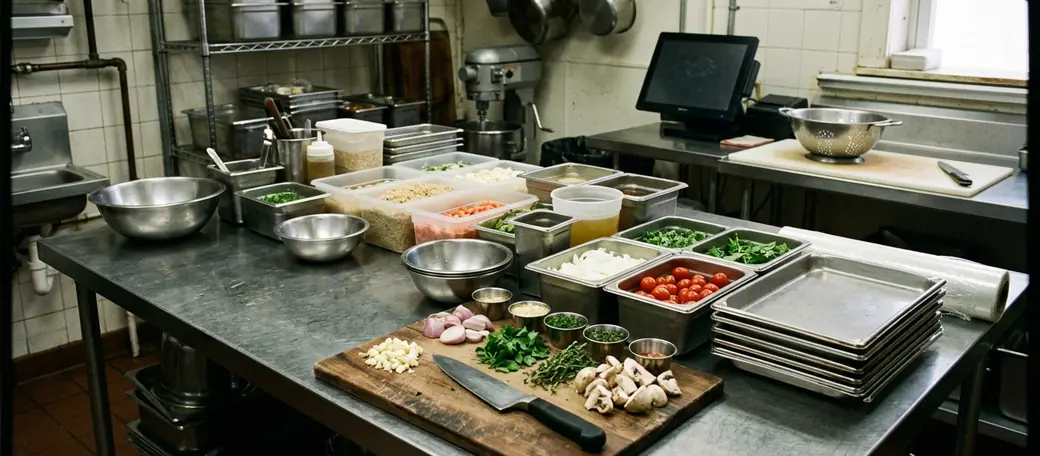
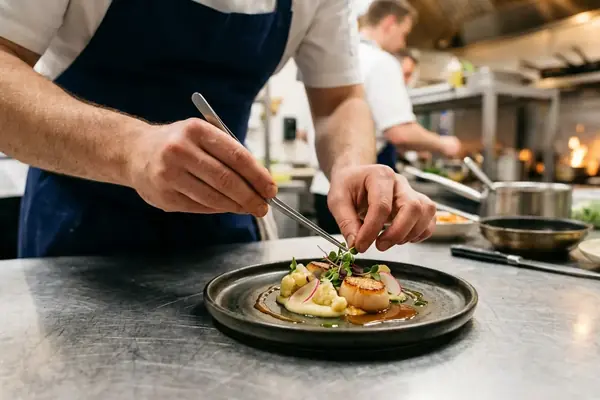
A concept-driven restaurant operates as a designed experience first. Long before service begins, the cuisine lane and target price band are set. A recipe is tested, the portion is costed, and the plating sequence is photographed. Trainers teach cooks and servers exactly how to reproduce and describe the dish.
During service, the kitchen diagnoses deviations against that locked specification instead of redesigning the ticket on the fly. The guest experiences polish and consistency. It is a night that is easy to recommend because it behaves exactly as advertised.
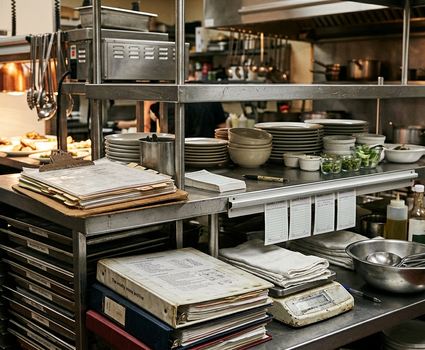
Visible signs include weighed portions, station diagrams, and approved serving pieces. Allergen fields are mapped out, and manager sign-off is required when a substitute ingredient would alter the advertised plate. Comparing the restaurant's menu and guest photographs across a 30 to 60-day window can show recurring dish names and identical plate architecture. Repeatability is the core promise.
Tracing a Dish from Delivery to the Dining Room
Following a single dish from proposal to removal exposes the mechanics of menu development. In a chef-driven kitchen, the chef accepts a small delivery, writes a special, explains it at pre-service, and removes it from the board when the product runs out. A concept-driven kitchen pushes a proposed dish through recipe testing, costing, photography, and service language approval before launch. Any later changes follow that same strict approval path.
Diners read these differences immediately. A chef-led menu relies on a chalkboard, a paper insert, or verbal specials that can be marked 86'd mid-service. A concept menu protects proven signatures, fixed sections, and approved modifiers that remain stable across shifts.
Archiving the menu once a week for four consecutive weeks makes the pattern clear. Weekly ingredient movement supports a seasonal, cook-led reading. Unchanged categories and signatures point to a repeatability-led reading. Substitutions follow the same logic. A chef-led room can flex, while a concept room restricts changes because the plate is part of the brand.
Reading the Rhythm of the Dining Room Floor
Service operates as two distinct crafts. In the chef-driven room, a server hears what arrived that afternoon, tastes a sauce when available, and asks the kitchen about remaining quantities. They turn that briefing into a table-specific recommendation. In the concept room, training fixes the greeting, the product description, the modifier language, and the course sequence. Another server can deliver substantially the same pacing and tone.
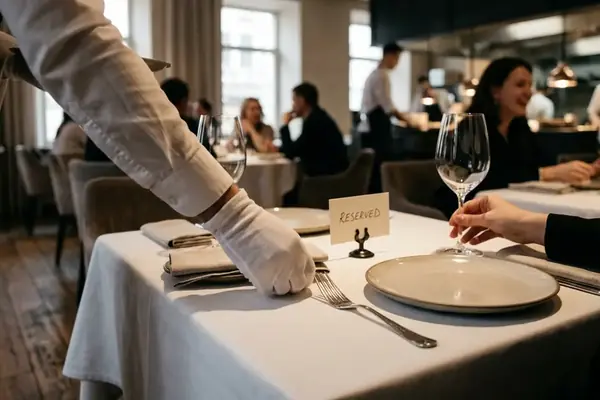
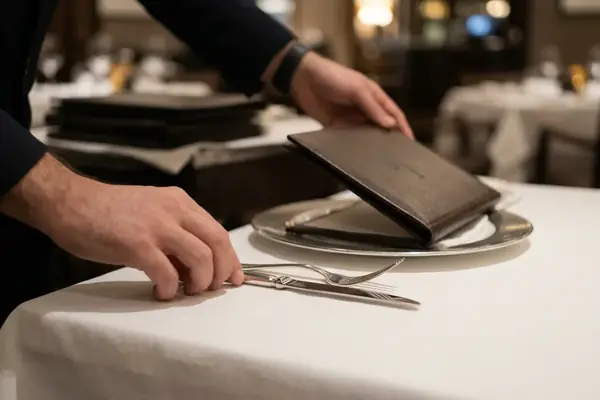
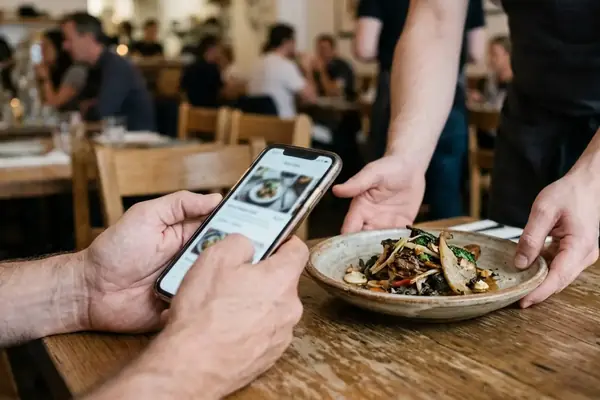
Guest-visible cues surface early. A server might name a specific farm, a unique cut, or a ripeness issue. Alternatively, they might deliver an established brand description. You will see stained, handwritten jackets and mixed service pieces in one room, and standardized uniforms, identical glassware, and heavy menu stock in the other.
Using the first ten to fifteen minutes after seating to record the greeting, water service, and menu explanation captures these differences before the meal's quality can distort the evaluation. Ownership of the table shifts from personal improvisation to consistent brand voice.
Why Expectations Clash with Kitchen Reality
Most dining disappointment stems from a model mismatch rather than a failed kitchen. Guests hunting a chef's whim inside a concept room will feel constrained. Guests hunting a reliable signature inside a chef's changing list will feel frustrated. Disappointment becomes predictable when the desired feature depends on behavior the chosen kitchen is designed to restrict.
Common collisions are concrete. A saved dish photo from a review no longer matches the current menu. A requested substitution breaks an approved recipe or allergen protocol. A highly staged room produces a quieter and more controlled meal than the guest wanted.
Aligning Your Booking Intent Checking the live menu 24 to 48 hours before the reservation gives a clearer picture than relying on a photograph posted 90 days earlier. This is especially true when one specific dish is the reason for booking. Neither model owes you the other model's pleasures.
Spotting the Operating Model Before You Book
Reading a restaurant requires three passes. First, identify who receives authorship on the website or menu. Second, compare current and older menu evidence. Third, ask how tonight's service handles specials and substitutions. Useful booking evidence includes a named chef, producer references, dated specials, and the frequency of menu changes. Repeated signature dishes, multiple locations with matching menus, and explicit modifier rules signal a concept model.
Spending ten to twenty minutes comparing the current menu with two or three dated guest photographs from the preceding 30 to 90 days can reveal the kitchen's rhythm. Asking during booking whether tonight's menu is expected to change before service provides immediate clarity. While menu analysis provides strong signals, restaurant operating models often blend these approaches in practice.
After arrival, compare that preliminary reading with the pass, the printed materials, and the server language. An open pass and servers describing produce point one way. A closed show kitchen and servers reciting a brand story point the other. These cues help locals, visitors, and regulars choose according to dietary needs or an appetite for surprise.
Matching the Occasion to the Kitchen
Chef-driven rooms trade absolute consistency for a cook's hand—a direct line from the pass to the plate. Concept-driven rooms trade surprise for a night you can count on. For a reservation made several days ahead, reconfirm menu-dependent priorities three to six hours before seating. Verify whether a signature remains available, whether specials have been posted, and whether requested dietary adjustments were recorded.
Judging consistency requires comparing comparable services. Weigh a Tuesday dinner against another weekday dinner within 14 to 28 days, rather than against a peak Saturday service. These models represent operating emphases, not quality grades. Many restaurants combine a stable core menu with chef-controlled specials, so classify the specific meal being booked rather than assigning a permanent label to the room. Both models can feed a city well when the guest books the one they actually want.
When you book this week, are you chasing a cook’s palate, or a room that will taste the same on a Tuesday as it does on a Saturday?