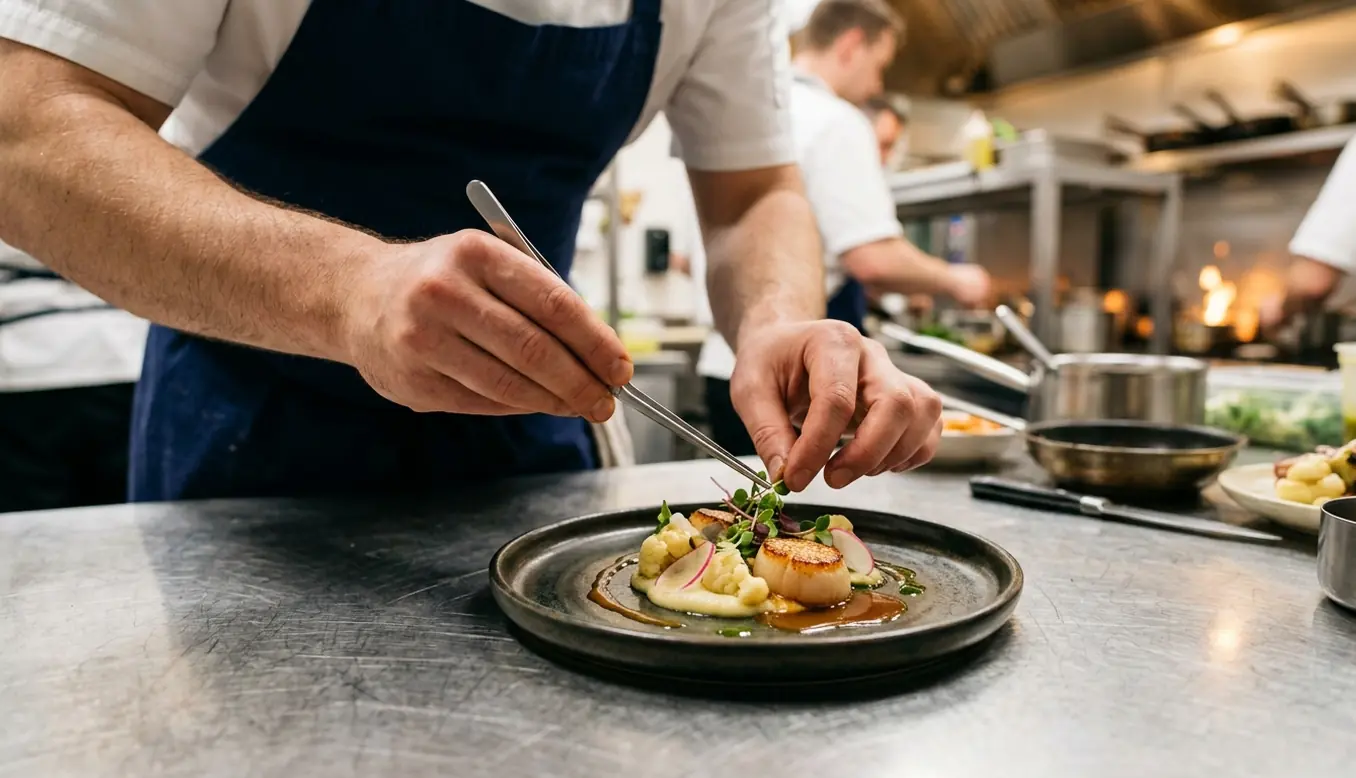
Two Cards on a Northside Table, Two Completely Different Nights
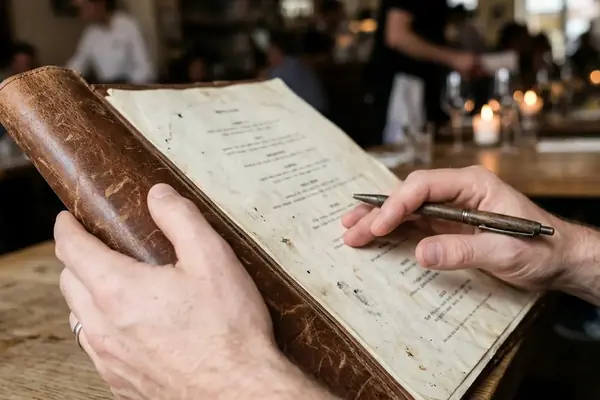
An à la carte menu puts a price beside every dish. A tasting menu typically prints one food price for a sequence the kitchen has already set.
That small difference in menu design establishes the operating rules for dinner. It determines who chooses the courses, whether the meal has a fixed endpoint, and how much of the eventual check is visible before the first plate lands. The same dining room and kitchen can therefore produce two incompatible shapes of evening.
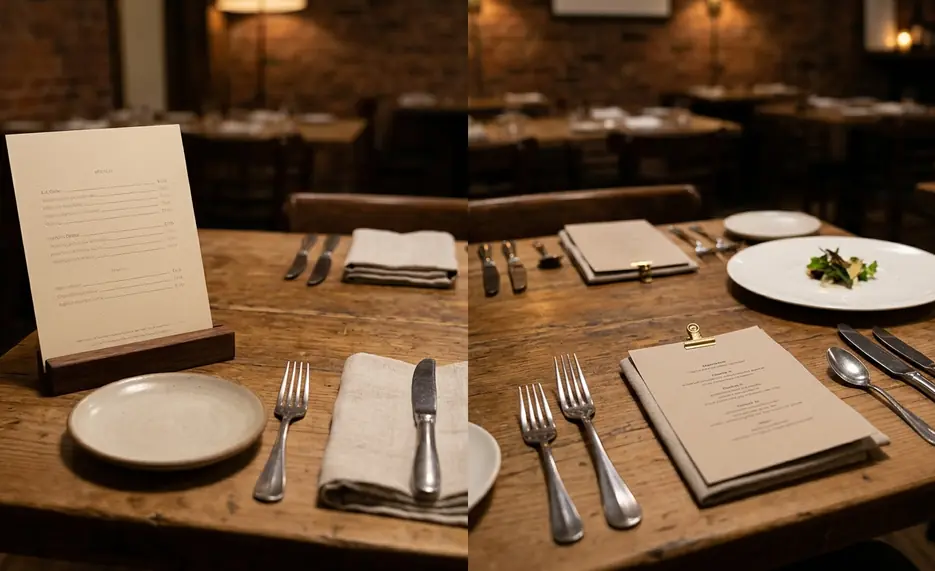
Read the Price Structure
On the à la carte card, starters, mains, sides, and desserts carry separate prices. Diners assemble a meal from those units and decide when the order is complete. On the tasting card, the printed amount covers a planned sequence, whether every course is listed or the menu describes the progression more loosely.
Consider a reservation from 6:30 p.m. to 9:00 p.m. Choosing the tasting commits that window to successive courses. Choosing à la carte leaves open the possibility that ordering ends after the first 45 to 75 minutes. Before comparing dishes, decide which side should control the evening: the kitchen or the table.
The Kitchen’s Sequence Versus the Table’s Order
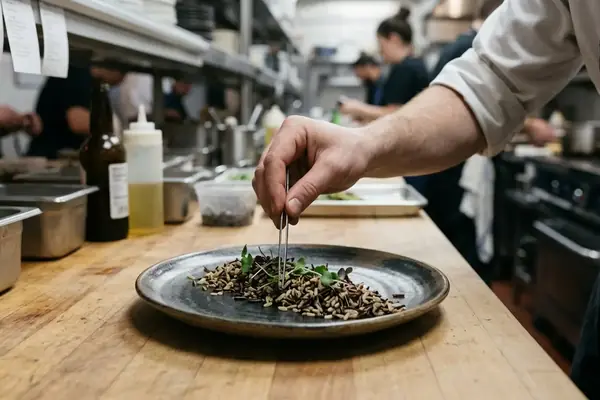
A tasting menu transfers three linked decisions to the kitchen: sequence, portion progression, and the movement from savory plates to sweets. The diner accepts an arc rather than placing a series of independent orders.
The sequence may open with a small bite, move through several savory courses, and finish with dessert without another ordering conversation. Portions make sense in relation to what came before and what will follow. Removing one course or doubling another can disturb that structure even when the individual dish sounds appealing.
Control at the Pass
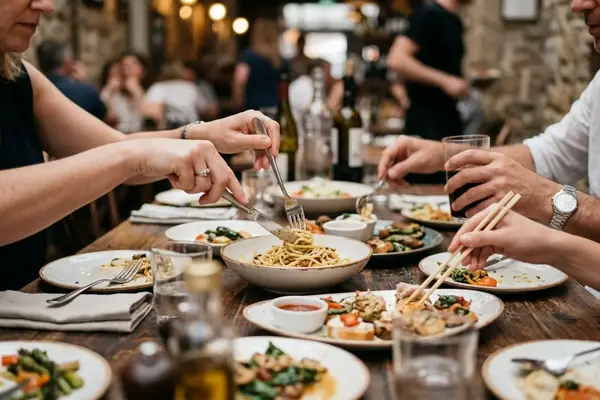
À la carte dining keeps dish count, sharing, additions, and the stopping point with the table. Two people might begin with two shared plates, pause, and decide later whether they want a main. During a 7:00 to 9:30 p.m. dinner, they can leave 20 to 40 minutes between orders while they talk or reconsider their appetite.
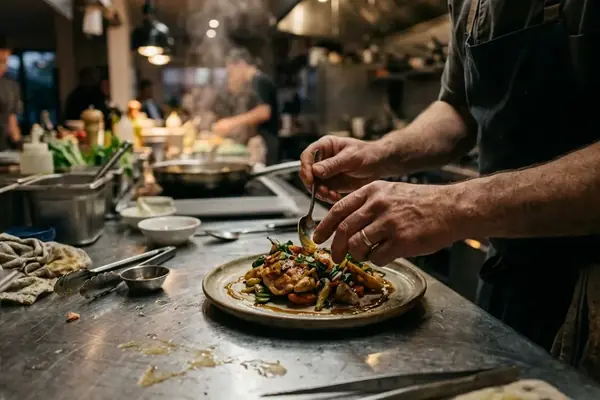
Tasting service moves according to the pass and the dining room’s pacing. À la carte service responds more directly to fresh instructions from the table. Neither format signals a more serious restaurant or a more casual dining experience; each allocates control differently.
Knowing the Food Total Before You Sit
The tasting card gives diners a visible base food charge at the booking or menu-reading stage. Multiply the stated price by the number of participants, then identify the variables around it.
Build the Check in Layers
- Start with the printed tasting price for every participating diner.
- Add any beverage pairing or premium-course supplement the table chooses.
- Check how the restaurant presents tax, gratuity, and service charges.
- Confirm whether any item described as included is already covered by the food price.
This calculation produces a stable food subtotal. Drinks and supplements may still expand the check, but another savory course does not appear simply because the table remained hungry.
À la carte requires a dish-by-dish estimate. That estimate changes when someone adds a side, orders dessert, or suggests “just one more.” It can remain modest, and it can climb quietly.
Different Diners, Different Ceilings
A group reviewing the menu 24 to 72 hours before dinner can compare likely à la carte choices and discuss price bands. One guest may order a main, another may share starters, and a third may stop before dessert. Split checks and mixed spending limits are easier when each diner can stop ordering independently.
A shared tasting price assumes everyone is buying the same base evening. That clarity helps a celebration table with an agreed budget; it creates friction when one person wants the full procession and another wants a light meal.
A Night That Runs on Courses Versus a Night You Can Cut Short
Start with the immovable departure time and count backward. Subtract the journey to the station, theater, or home, then leave room to request, receive, and pay the bill. The remaining interval is the actual dining window.
For a 10:05 p.m. train and a 12 to 18 minute trip to the platform, the table should plan to leave between 9:42 and 9:48 p.m. Treating 10:05 as the restaurant departure time turns dinner into a sprint through the station.
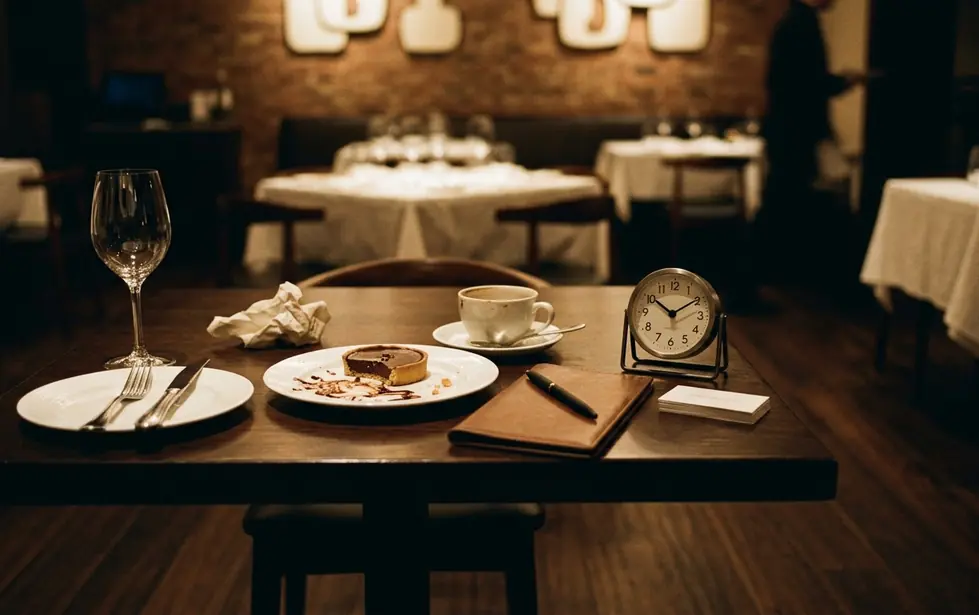
Give the Meal an Endpoint
A 75 to 105 minute window can hold a limited à la carte order followed by the check. The table can choose a small first round, decline another course, and ask to settle as soon as the plates are cleared.
Tasting service follows kitchen timing until the complete sequence is finished. Diners with a firm deadline should provide both arrival and departure times and ask whether the full menu fits between them. A general estimate such as “about two hours” carries less value than confirmation against the exact reservation window.
Here, menu format works as a time tool. A leisurely tasting suits a long seated evening. À la carte preserves an exit when a show curtain, last train, or early morning controls the clock.
When One Person Won’t Eat What Another Ordered
A mixed table is the clearest à la carte case: one diner arrives very hungry, one plans to graze, and one avoids shellfish. Separate ordering gives each person a direct path through the menu without forcing the group into a shared progression.
Name the Restriction Clearly
Before reserving, collect allergies, religious exclusions, appetite differences, and each diner’s willingness to follow a set sequence. Send the restaurant the restricted ingredient, identify the affected guest, and explain whether cross-contact matters. “Shellfish allergy with cross-contact concerns” gives the kitchen more usable information than “seafood issue.”
When possible, ask 48 to 96 hours before dinner and reconfirm on arrival. A tasting kitchen may be able to replace a course with notice. Once the first course has begun, the available substitutions narrow because later plates may already be prepared as part of the same progression.
Menu-Date Reality
Substitution policies change by kitchen and by menu date. An accommodation made on an earlier visit does not establish what another Northside dining room, or a later version of the same tasting, can prepare.
À la carte does not remove the need for a clear allergy conversation. It does, however, reduce the number of dishes each person must navigate and lets diners choose around appetite or religious exclusions without redesigning an entire set menu.
Who Should Book the Tasting—and Who Should Open the Full List
The useful question is simple: who should choose the next plate?
Give the Kitchen the Night
A curious solo diner can accept the sequence without group negotiation. The same applies to a celebration table that wants one continuous culinary argument and has already agreed on price, timing, and restrictions. For these diners, surrendering control is part of the dining experience.
Book the tasting when the progression itself holds the appeal. The choice works especially well when no one needs an early stopping point and the group values the kitchen’s ordering of flavors over selecting favorite dishes independently.
Keep Choice at the Table
Open the à la carte list for a group balancing different budgets, hunger levels, or dietary needs. A party of four can share selected starters, order individual mains, and let each person decide on dessert. No one has to justify stopping while others continue.
Limited time also favors ordering control. With only 90 to 120 minutes available, retain the ability to close the meal unless the restaurant has confirmed that its tasting sequence will finish inside that exact window.
- Curious solo diner: tasting menu.
- Celebration table seeking a single progression: tasting menu.
- Mixed appetites, budgets, or restrictions: à la carte.
- Firm departure time: à la carte, unless the tasting duration is confirmed.
The Two Friends Who Made the Last Train
Two friends sit at a Northside counter. The tasting card remains upright in its holder while one checks a 10:12 p.m. last train and counts back from the platform, 14 to 19 minutes away.
They open the à la carte list and choose three plates to share. When the final plate is cleared, they skip dessert and request the check before reaching for their coats. Payment lands between 9:43 and 9:50 p.m., leaving a small transfer margin.
Minutes later, they step onto the platform together. The tasting card stayed behind because the meal they needed was the one they could stop.