Regulars Win the Meal at the Moment They Order
A regular can order a better dinner without being recognized. The advantage is in the instruction: they choose a dish, decide what matters about it, and tell the server before the order goes to the kitchen. The ticket carries that information even when nobody on the line knows their name.
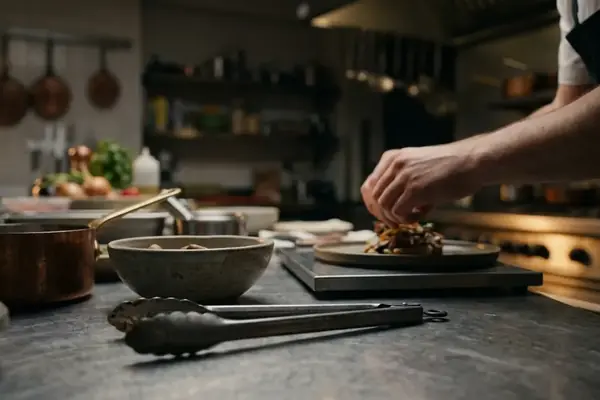
Think of the difference between “the fish as listed, with the sauce on the side” and “the fish, but make it good.” The first tells the kitchen what to cook and identifies one change. The second leaves the pass to guess what the diner means. A preference raised after the dish is cooking may arrive too late to guide it.
That is the move worth borrowing on a first visit. Treat the menu as a way to make a choice, then give the server a short order they can relay. If a question will change your choice, ask it before the ticket goes in. If the answer will change nothing, let the dish speak for itself.
How a Regular Actually Reads a Menu
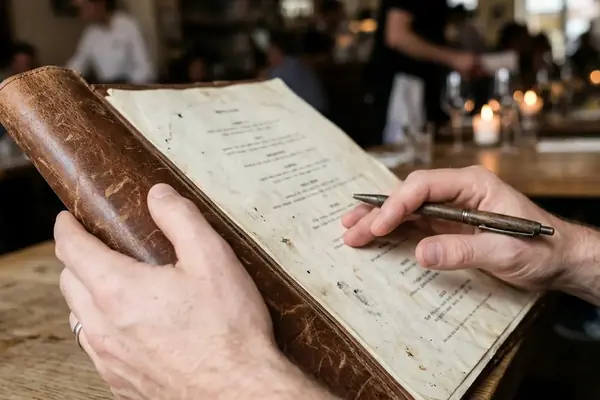
Start with tonight’s specials and any insert added for this service. Set the insert beside the printed menu and compare the descriptions. A dish with a precise finishing detail gives you more to work with than an entry that names only a protein and a side. It may also tell you what question to ask.
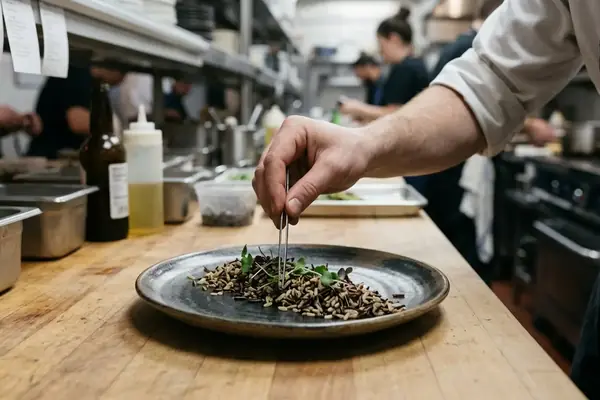
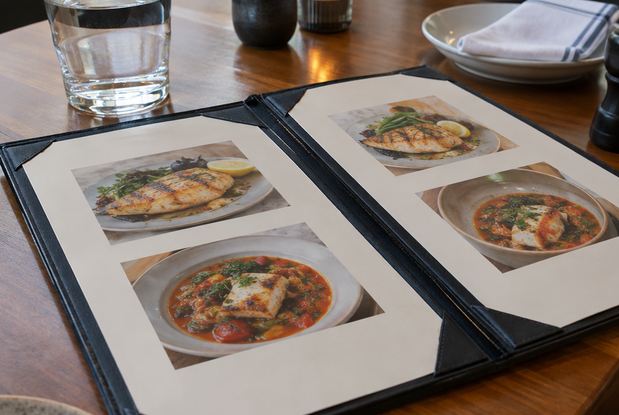
Next, scan for a protein appearing in more than one preparation. If the same fish is grilled on one plate and used in a stew on another, the kitchen may be drawing on shared prep. That repetition is a reason to ask which preparation is being served tonight; it does not establish when the fish arrived. For menu literacy, the useful distinction is between an ingredient’s presence and what the kitchen will do with it.
“What’s most popular?” offers a different kind of information. It can point you toward a familiar, broadly appealing plate, which may be exactly what you want. When the goal is to find the liveliest choice on tonight’s menu, a question about preparation gives the server something more specific to answer.
Read Tonight’s Insert
Look at the current-service additions first, then compare repeated ingredients and their preparations. Let one detail narrow your choice before you ask for help.
The Question That Tells the Kitchen You Mean It
Once a menu section catches your eye, ask the server, “How is that finished tonight?” If two dishes in that section appeal to you, try, “Which would the kitchen rather cook?” Ask while the server is taking the order, when the answer can still shape what goes on the ticket.
The important part comes next: choose a dish you are happy to eat as described. The server can relay a clean order, and the pass can follow the intended finish. A question about the fish’s sauce or the stew’s final garnish helps you decide. A long exchange about rebuilding either plate gives the kitchen a different task.
Read the floor before you speak. When the server has time, one focused question can clarify an unfamiliar dish. When they are moving between full tables, keep it to the choice that matters most. Silence is also a courtesy when the menu already gives you enough to order.
One Finishing Question
Ask for a detail that will change your choice, then order the preparation you want to receive.
Pace the Table Like You Work the Pass
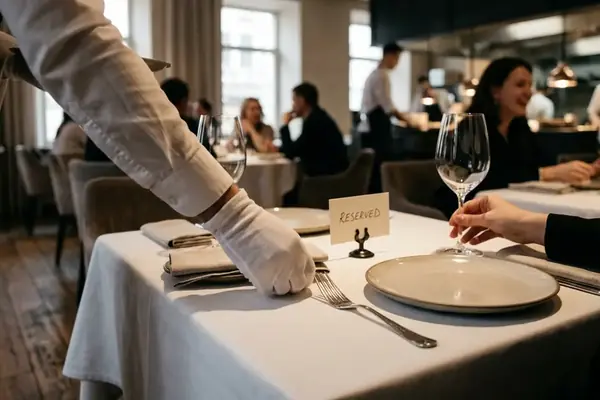
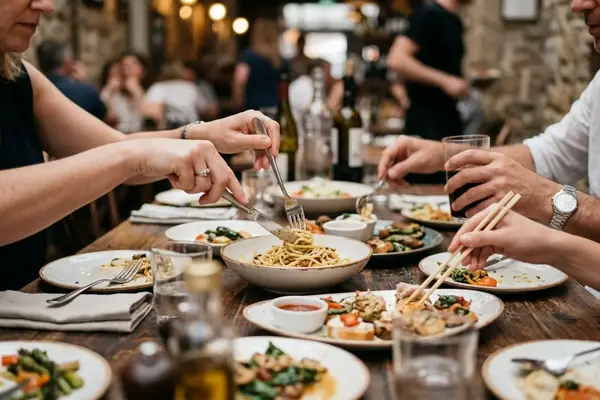
A shared starter gives the table a simple sequence: eat it, clear the plates, then bring on the mains. Tell the server that plan with the initial food order. Otherwise, the kitchen may receive the courses as one immediate pile of work, while the table is still on its first drink.
The useful wording is direct: “We’ll share this starter. Could you fire the mains once it’s cleared?” If the room can accommodate a pause, you can ask for a five-to-ten-minute gap before the mains fire. Give that instruction before the mains have been sent to the line. Once a hot plate is ready, asking for time at the table may leave the food waiting at the pass.
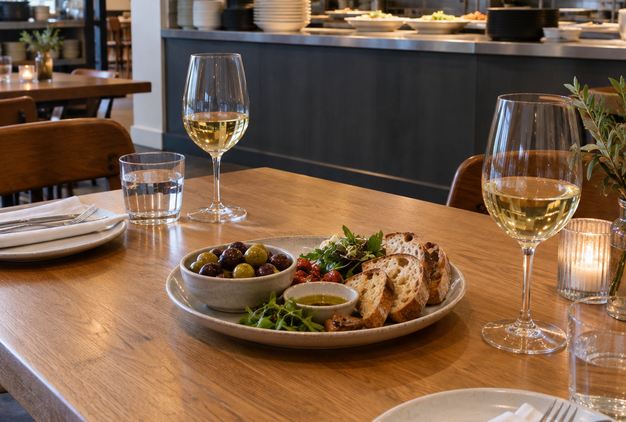
Good pacing respects both sides of the dining experience. The table gets to finish the starter without rushing; the kitchen gets a sequence it can act on. The request only helps when the dining room can hold the ticket, so make it an ask the server can accept or decline.
When These Moves Backfire
A Saturday rush changes the calculation. A short line may have little room to hold a prepared component while another course is delayed. Keep the order close to the menu, ask only what you need to choose, and let the server guide the pace.
There is a useful boundary between clarifying a dish and redesigning it. “How is this finished?” asks about food the kitchen already intends to make. A string of new ingredients, plating changes, and timing demands asks for another dish. The same distinction applies to service formats: an independent à la carte room may be able to relay a kitchen-preference question or hold a main-course ticket. A chain menu or set tasting offers less room for either move.
A composed tasting sequence deserves particular restraint. Its courses are timed in relation to one another, so moving one plate’s arrival can affect what follows. In that setting, follow the planned sequence and use questions to understand the food rather than direct the pass.
Rush-Hour Boundary
On a slammed floor, a short question can help you choose. Rewriting the plate or asking a short line to hold it creates work the room may be unable to absorb.
Pick One Move Before You Sit Down
Choose a single habit for your next Northside dinner. Read the same-service insert if the menu is unfamiliar. Ask one finishing question if two preparations sound close. If your table wants a shared starter, decide whether to request a gap before the mains while the server can still relay it with the order.
Leave the other moves alone. A clear instruction is easier to use than a performance of knowing how a restaurant works. Look at the menu, notice the pace of the room, and decide what would make your order clearer tonight.
Which one signal will you send before your first food order goes in?