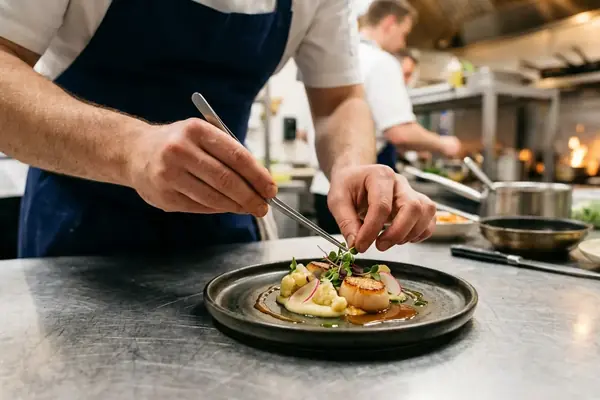
The First Plate Tells the Truth
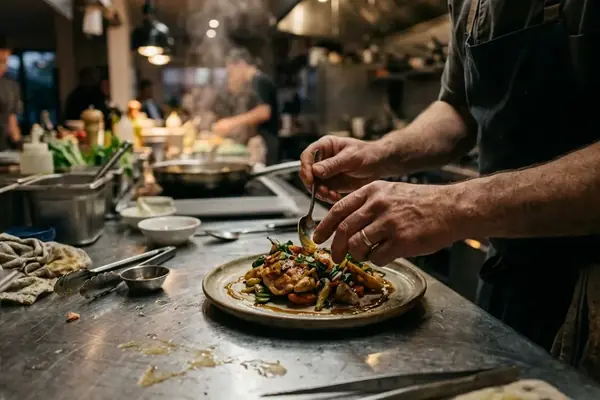
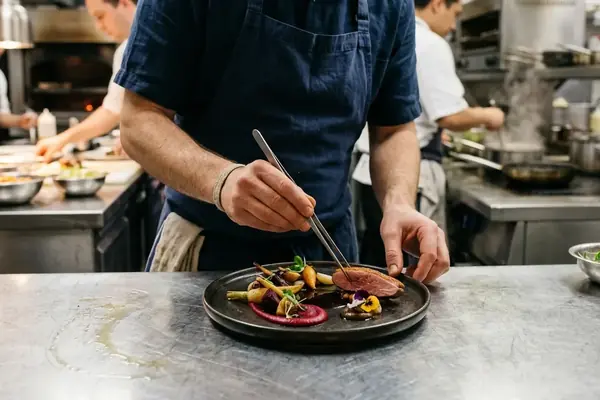
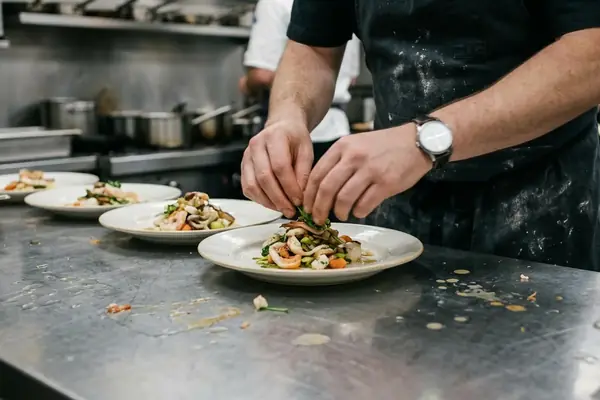
Diners frequently skip starters to save room for a signature main course. That habit skips an early reading of the kitchen. The opening plate exposes basic execution sooner than any elaborate centerpiece. Seasoning, temperature, and timing show up clearly before the kitchen's usual theater takes over the table. A massive ribeye or a complex braise often masks fundamental flaws behind sheer volume and rich sauces. A small starter offers no such hiding place.
The arrival of that first dish sets the tone for the entire evening. The hum of the dining room fades slightly as the plate touches down. This moment presents a brief window to evaluate the fundamental skills of the line cooks. Take the first two or three bites before adding table salt or letting the plate sit. Judging temperature and texture within about two minutes of arrival gives you a sense of the plate as the kitchen intended it. That first impression gives you something to compare with the rest of the meal.
Waiting too long to taste the food alters its intended profile. A hot appetizer begins to cool immediately, changing the texture of sauces and the crispness of fried elements. A cold dish warms, dulling the sharp notes of its seasoning. Engaging with the food promptly respects the timing of the kitchen and provides the most accurate assessment of their work.
Reading the Restraint in Crudo and Cured Meats
Start with a cured meat, crudo, or pickle. Taste the main ingredient before its garnish. A thin slice served at a pleasant temperature makes fat and salt legible immediately. Clean crudo lets acid sharpen the fish rather than bury it under heavy citrus. Muddy garnish, excessive chill, or blunt salt serves as an early warning about restraint. A kitchen that handles delicate proteins with care will likely apply that same precision to heavier courses.
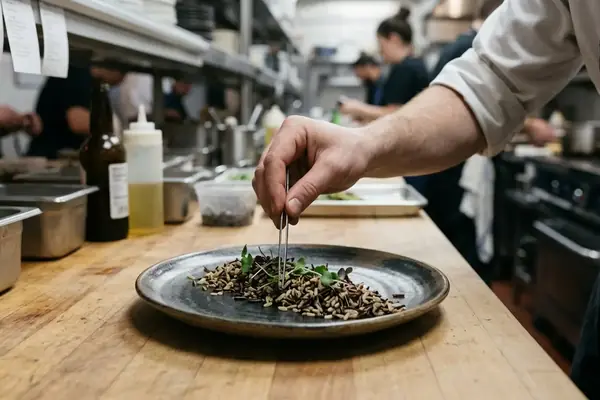
The visual presentation of a raw or cured dish says something about its preparation. Glistening fish, precise cuts, and thoughtful placement of herbs indicate a disciplined approach. Compare a bite of the main ingredient alone with a second bite including its dressing. Taste a chilled plate within roughly three minutes of arrival. As it sits, its temperature becomes less useful as evidence of service. The delicate balance of a crudo relies entirely on the interplay of temperature and acidity.
Assessing the First Bite
Focus entirely on the primary ingredient during your initial taste. The quality of the fish or the cure of the meat should stand on its own merits before any accompanying sauces or garnishes influence your palate.
While a single dish rarely captures a chef's entire repertoire, tasting the crudo alone, then with its garnish, before chill and acid blur the difference offers a glimpse of the line's current focus. Heavy-handed seasoning on a delicate starter suggests a palate that favors impact over nuance. A perfectly balanced crudo promises a meal guided by a steady, confident hand.
Evaluating the Bread Basket
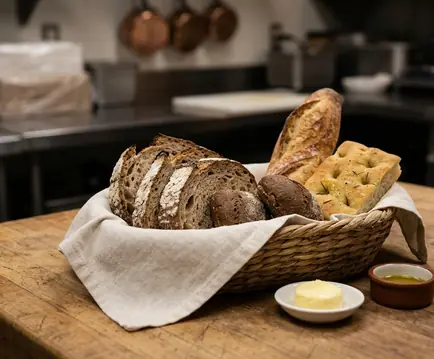
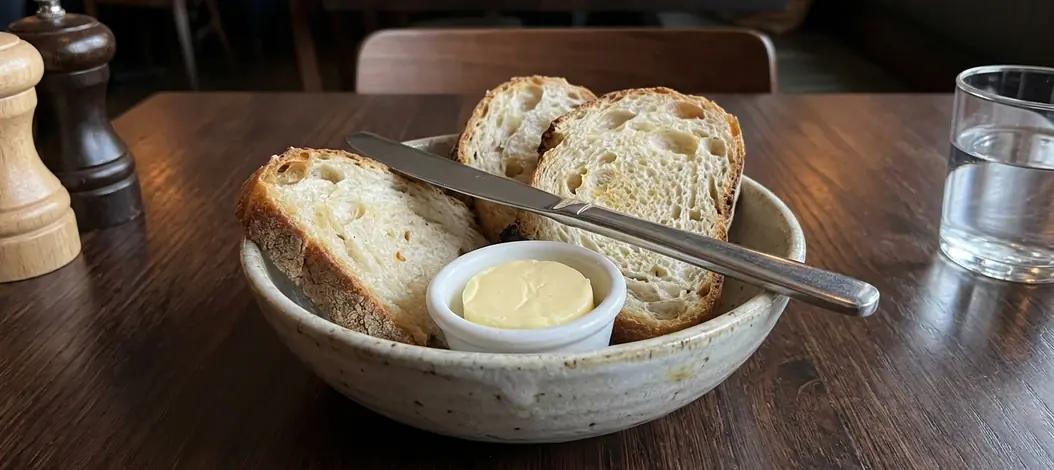
When bread is offered, check whether its warmth, crust, and crumb seem intentional. Taste the butter or oil with it. Stale bread, butter too cold to spread, or tired-tasting oil reveals how much attention this service receives before an entrée is plated. Bread may be handled separately within the kitchen, yet it reflects the overall standards of the establishment.
Tear the bread before spreading anything. A crisp crust and soft crumb should be apparent without butter masking either. Test the bread and its accompaniment within around two minutes of delivery, before warmth fades. The tactile sensation of breaking good bread sets a welcoming rhythm for the meal. A baker's touch often elevates a simple dinner, but a neglected courtesy basket signals a lack of attention to detail.
The bread-service boundary applies here: cold butter can indict an offered basket, but an absent basket cannot indict the kitchen. Order bread when it is clearly cared for. Leave it when it only exists to occupy the table. A thoughtful bread presentation, complete with cultured butter or high-quality olive oil, demonstrates a commitment to hospitality from the start of the meal.
Strategic Sharing for a Broader View
For a table that wants a broader reading, share a sharp vegetable plate or composed salad alongside one small cooked plate. One fried item can show coating, seasoning, and prompt service. Piling on fried shares or a cheese-heavy board makes fullness a bigger factor than the cooking. Balancing discovery with appetite leaves room for the rest of the meal.
Order one diagnostic share and one light cooked plate for two people. Divide each so everyone tastes both. Taste the cooked item within a minute or two of arrival, while its heat and any crisp coating are still clear. The contrast between a bright, acidic vegetable dish and a warm, savory small plate shows different sides of the kitchen's cooking.
- Vegetable Plates: Look for vibrant colors and varied textures.
- Fried Items: Assess the crispness of the batter and the absence of excess oil.
- Composed Salads: Evaluate the balance of the dressing and the freshness of the greens.
Keep the sample to one diagnostic share plus one light cooked plate so the entrees still have a landing place. Over-ordering early in the meal diminishes the impact of the main courses. Sharing lets the table experience a variety of flavors without succumbing to palate fatigue.
Pacing the Opening Round
Set the opening order before anyone starts adding dishes. Pair one cured plate, crudo, or cared-for bread service with one cooked small plate. Hold further orders until those plates are nearly finished. The table can assess them and still welcome the mains. Too many competing flavors early on can dull the appeal of a main course.
For two diners, begin with no more than two items. For a larger table, begin with no more than three. Make the next ordering decision after the first plates are nearly gone, rather than in the minutes immediately after they arrive. Appetite fills faster than the table looks. The visual abundance of a full table often tricks diners into ordering more than they can comfortably enjoy.
The rhythm of a meal depends in part on restraint during the initial order. Allowing space between courses helps each dish stand apart.
Managing the pace of the meal requires clear communication with the server. Requesting that the starters arrive well before the main courses ensures a relaxed dining experience. Rushing through the opening round blurs the distinct flavors and textures that the kitchen worked hard to create.
Choosing Your Diagnostic Plate Tonight
At the next dinner, choose one opening plate that will make salt, temperature, and timing easy to judge. Each diner should try at least one bite before seasoning the plate or mixing all its components together. Share and finish it before deciding whether a second small plate would add useful information or simply crowd the mains.
Make the call on another small plate in the minutes after finishing the first, with the mains still in mind. Protect space for the mains by treating that first order as a reading of the kitchen. Holding back early in the meal leaves room for the signature dishes when they arrive.
On your next dinner out, select a single crudo, cured meat, or vegetable starter, eat it completely, and wait to order your main course until the empty plate is cleared.