The Reservation Is the Riskiest Part of the Meal
An intended evening usually starts with a clear plan. It might be a quiet conversation over shared plates, a quick pre-theater meal, or a long celebration. The biggest dining failures happen when that plan collides with a restaurant's format. A reservation may commit the table to a tasting menu, communal seating, counter service, a card guarantee, or a fixed dining window before anyone tastes the cooking.
The time to research is the 10–20 minutes before entering payment details. This brief period is the best time to verify menu structure, expected duration, room type, service model, and total-cost policies. Using these operational details as a fit filter protects the evening before the meal begins.
What Star Ratings Quietly Leave Out
Review platforms heavily reward food photos and vibe adjectives. They rarely answer whether a two-top is actually comfortable. A highly praised kitchen can still be the wrong reservation when a quiet anniversary is assigned to communal counter seats with fire-when-ready plates and a fixed turn.
Recent diner photographs posted within the previous 30–90 days can reveal table spacing, backless counter stools, communal seating, and covered versus exposed outdoor areas more reliably than tightly framed food images. Reservation notes and policy pages commonly disclose operational details such as dining windows, card holds, cancellation cutoffs, outdoor-table conditions, and whether seating requests are guaranteed or merely recorded. This checklist fills the gaps before the hold on a credit card goes through.
Menu Format, Rhythm, and What You’ll Actually Order
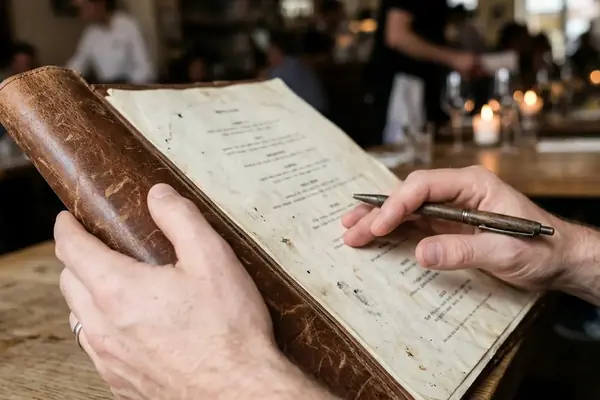
First, identify whether tonight's menu is à la carte, prix fixe, tasting-only, or hybrid. Ask when the displayed menu was last updated and whether it applies to the intended service. Lunch, dinner, bar, weekend, and late-night menus can differ within the same 24-hour period. A photographed signature dish may have rotated off within the previous week, moved to another service, or become an optional tasting-menu supplement.
While menus driven by daily catch or market produce may change between confirmation and arrival even when the restaurant answers accurately, reading the menu from top to bottom clarifies required commitments. Look for fixed snacks, bread charges, supplements, whole-table participation rules, minimum plate counts, or dishes priced by weight. Ask for an ordering example tied to party size, such as how many small plates staff typically suggest for two diners and whether dishes arrive together or across a 45–90 minute meal.
Pro Tip: For allergies or dietary restrictions, contact the restaurant 24–72 hours before the reservation and name the ingredient and severity rather than relying on a generic preference field.
The Room You’re Actually Booking Into
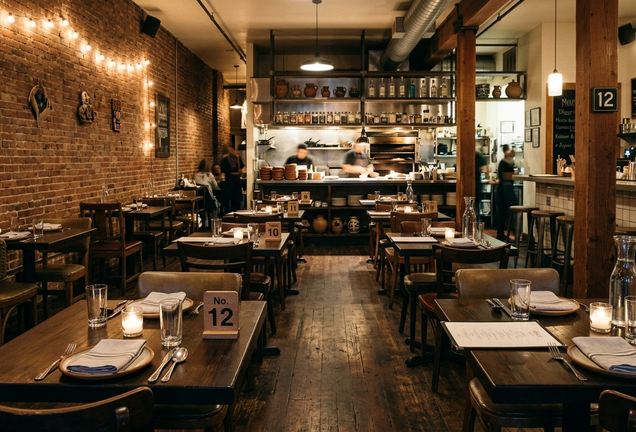
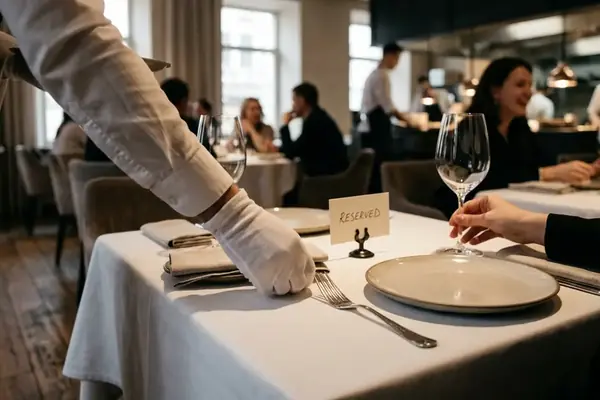
Match the occasion to a physical seat before choosing a time. Confirm whether the assigned area is indoors, outdoors, at the bar, or at a communal counter. Some booking pages treat those as separate reservation categories rather than interchangeable preferences. Ask whether the table carries a stated window—commonly expressed in 15-minute increments by party size—and whether dessert or an after-dinner drink must fit inside it.
One way to plan a noise-sensitive meal is to compare recent room photographs from the previous 30–90 days for hard floors, bare ceilings, closely packed tables, speakers, and upholstered surfaces, then call about the intended service hour. Across multiple seasons, the same dining room can feel conversational shortly after opening and markedly louder 45–90 minutes later as the bar fills and adjacent tables are seated. A table booked near opening may precede peak room volume by 45–90 minutes, while a later reservation can overlap with a full dining room and bar.
Service Style, Pacing, and Who Runs the Clock
Identify who initiates each part of the meal. Useful service categories include full-table service, counter ordering with table delivery, self-service pickup, hybrid ordering by code or kiosk, and chef-led counter service with synchronized courses. Decide whether that cadence suits the table.
In a fire-when-ready kitchen, dishes may overlap or arrive separately over 20–60 minutes. In a coursed format, the table may need to finish each course before the next is released. A direct phone script is: "We're considering a table for four at 7:00. Is dinner paced by the server or sent when dishes are ready, and can we plan to finish by 8:30?" For children, a birthday dessert, accessibility needs, or a party larger than the standard online maximum, contact the restaurant 24–72 hours ahead rather than placing the request only in a reservation note.
Money, Policies, and the Fine Print Nobody Reads
Build the likely bill before authorizing the card hold. Request an all-in estimate for the party's actual order pattern and ask whether mandatory service is included, whether an additional gratuity line appears, and whether tasting supplements are optional. Confirm corkage per bottle, cake-cutting or outside-dessert fees, split-check limits, and maximum card count before bringing wine, a cake, or a group expecting separate bills.
Ask whether the booking uses a temporary card authorization, a refundable deposit, a prepaid menu, or a fee charged only after a missed cancellation deadline. These mechanisms have different refund consequences. Save screenshots of the confirmation, cancellation terms, seating category, and displayed menu immediately after booking, then check for policy updates 24–48 hours before dinner.
Warning: Cancellation windows are often stated as a precise number of hours before the reservation, so a 7:00 p.m. booking with a 24-hour cutoff must be changed before 7:00 p.m. local time on the preceding day.
How to Get Answers Without Feeling Awkward
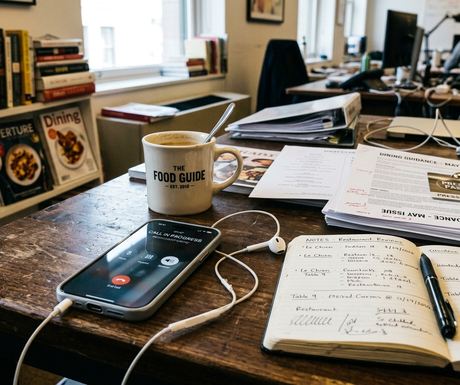
Work from the easiest source to the most direct. Check the current menu for format and prices, the reservation page for seating and cancellation terms, and recent room photographs for layout. Put everything else into a short phone call.
A focused call can take 2–4 minutes when it opens with the reservation date, intended time, party size, and three answerable questions. Call outside the main service rush when possible, typically 30–90 minutes before opening or between meal periods, rather than during peak dinner seating. For example: "For four people Friday at 7:30, is the current online menu the dinner menu, can we request a booth rather than bar seats, and when does the cancellation fee begin?" Verify time-sensitive answers within 24–48 hours of the meal if the restaurant uses daily menus, weather-dependent outdoor seating, or limited signature dishes.
Walk In Already Knowing the Room
The twelve questions protect the evening before the first plate lands. Recheck the confirmation 24–48 hours before arrival for the address, entrance instructions, seating category, party size, cancellation cutoff, and any prepaid amount.
Key Takeaway: Reduce the twelve answers to a personal yes-or-no. Keep three non-negotiables, such as a quiet booth, at least one suitable main course, and a clear cancellation window, and treat everything else as preference.
Maintain a short record after dinner with four fields—menu fit, room comfort, pacing, and bill clarity—so future choices reflect observed conditions rather than a single overall score. A conventional dinner reservation often occupies a stated 90–120-minute block; the confirmation lists the limit that applies to the table.