The Shift From One Evening Service to Selling the Floor Twice
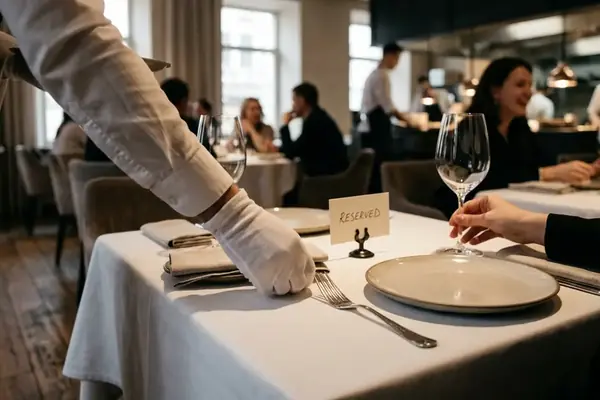
The historical hinge for modern dining rooms was the decision to assign the same table twice in a single evening. In the era of the printed reservation book, an early entry could be followed by a second booking immediately after the first party's checks dropped and the table was reset. That operational shift turned 6:00 and 9:00 from simple clock times into separate inventory positions. Each slot now carries a completely different kitchen and floor context.
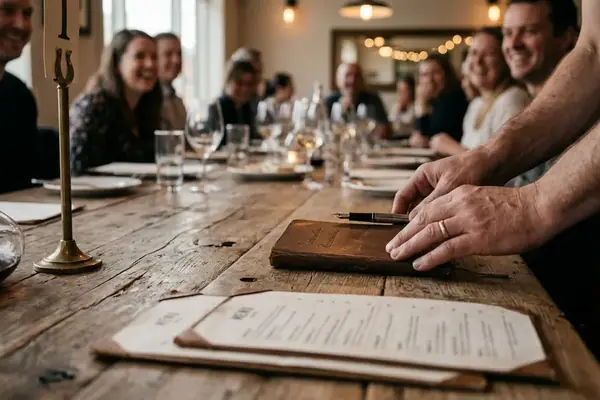
The operating sequence dictates the rhythm of the entire building. It begins with the first booking, moves to printed kitchen tickets, follows through coursing, and ends with the check drop. Clearing and resetting the dining room then paves the way for a second wave at the exact same table. An illustrative two-turn window runs from a 6:00 opening reservation to a 9:00 late reservation. The crucial reset occurs in the narrow window between the first party's departure and the second party's arrival.
Booking the first table provides access to the restaurant exactly as the chef designed it for the day. Booking the last table secures a seat in a room that has already lived a full life. Understanding the mechanics of these two distinct services changes how you plan a meal.
The Pass at First Fire Versus the Pull Toward Breakdown
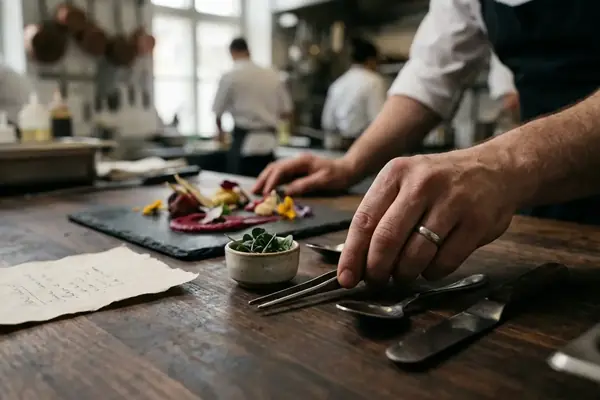
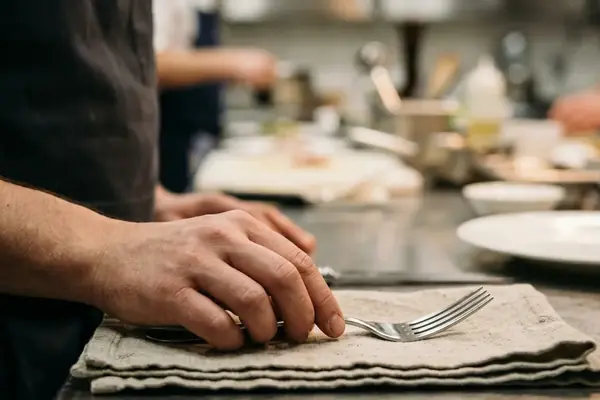
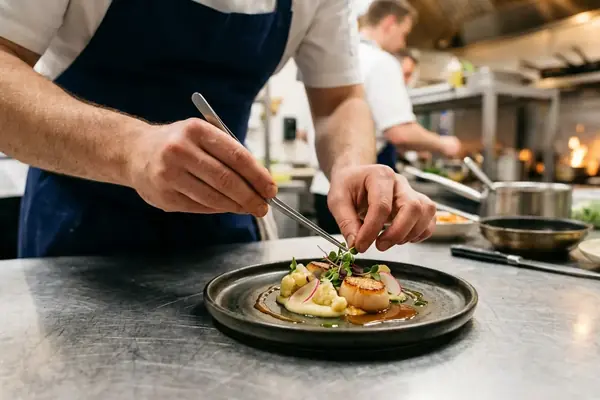
Before first fire, the kitchen finishes its mise en place. The brigade clears the board and sets each station to execute the full menu. From the first ticket through the first turn's main courses, sauté pans, garnish trays, and the pass are set entirely for service. The cooking is proactive. The line focuses purely on the plates moving forward.
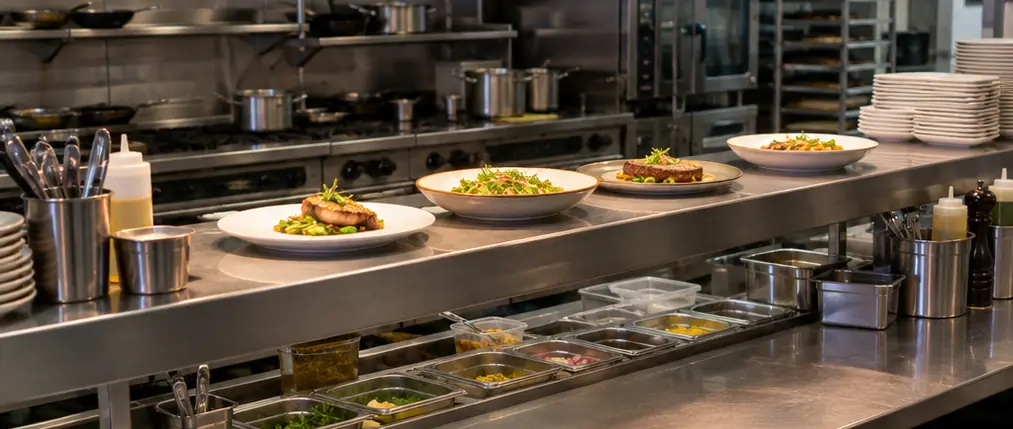
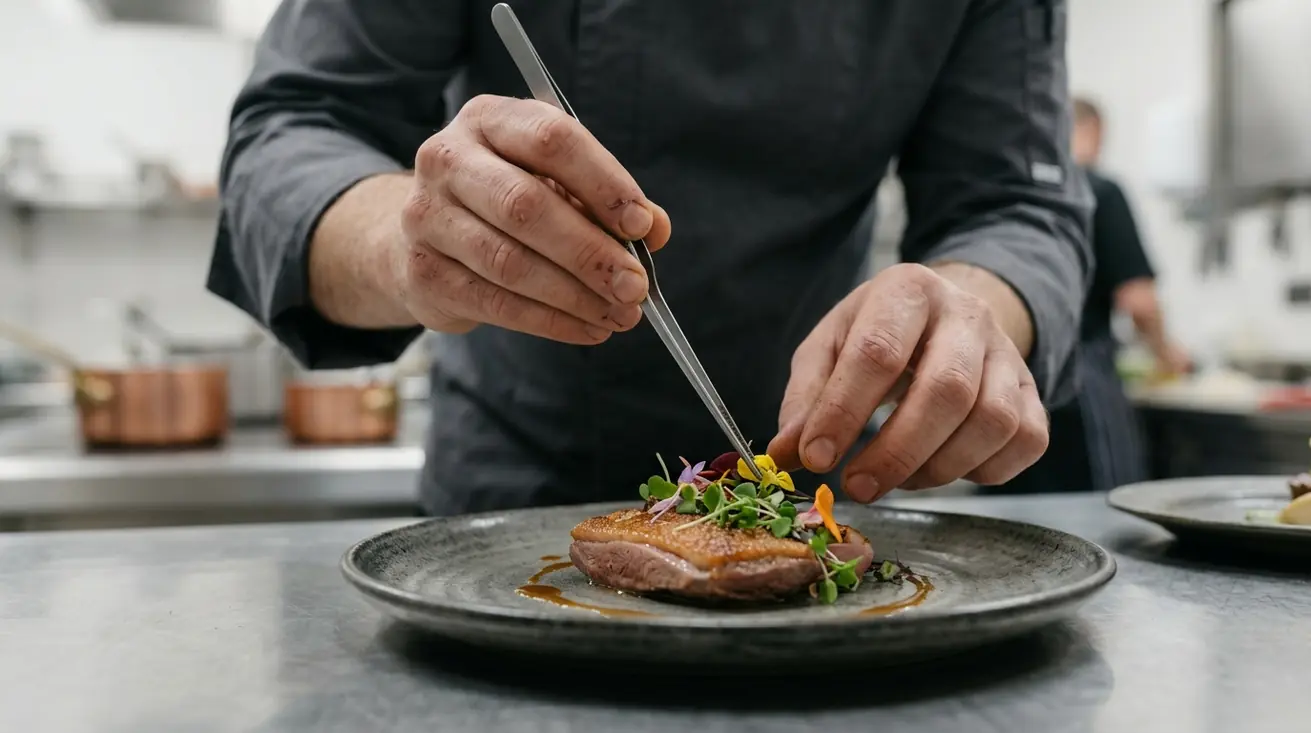
By the final turn, the chef and station cooks are making narrower decisions. They must determine which item gets marked 86, which prep can cover the remaining tickets, and which equipment can be cleaned without obstructing the last orders. From the final seating through kitchen close, the ticket rail competes with consolidated prep containers. Counted portions, cooling tasks, and equipment shutdown take up physical and mental space on the line. The ticket-rail-to-lowboy closing breakdown requires the kitchen to dismantle the station while still cooking from it.
This comparison concerns full-service dining rooms that sell an opening and closing turn; counter-service restaurants and synchronized tasting-menu seatings follow different production clocks. In a standard two-turn room, the late kitchen is protective. The early kitchen is generous.
Floor Coverage and the Reality of the Cut
Floor coverage is set before the doors open. Management then reconsiders that staffing level as reservations arrive, tables finish, and projected covers decline. Early guests encounter the opening roster in its optimal state. From the pre-service lineup through the first seating wave, the host has a full board. Servers have completed their opening sidework. A manager is focused entirely on seating flow and guest reception.
Late guests encounter the result of cuts. Sections are often combined under one closer. Sidework gets assigned to the remaining staff. A bartender might be asked to absorb additional drink or table service. From the final reservation through the last check, the remaining staff juggle multiple priorities. They are refilling water, pacing wine, and closing checks while simultaneously completing glassware, linen, or station sidework.
Reading the Floor's Sidework
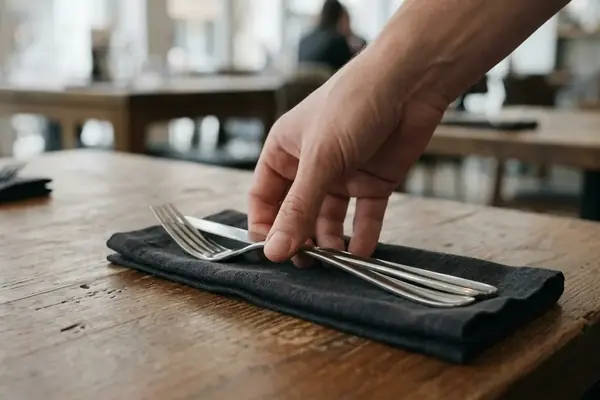
The physical movement in the dining room changes during the last hour of service. You will see servers carrying stacks of polished plates or rolling silverware at a back station. This dual focus affects the cadence of your meal. A request for a wine substitution or a detailed question about the menu competes with the staff's closing duties. At the first seating, that same question receives the undivided attention of a server whose only current job is to guide your dinner.
The Acoustic Arc From Empty Chairs to the Stacked Bar Rail
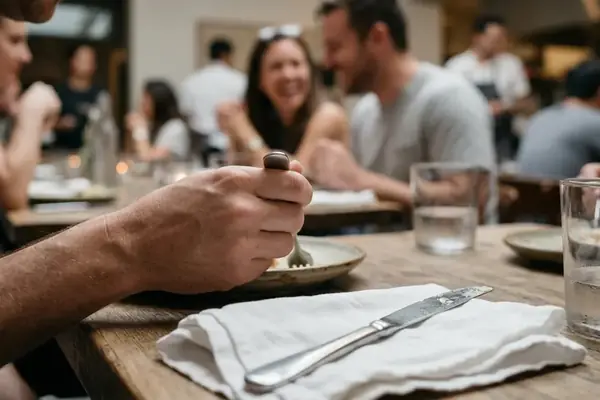
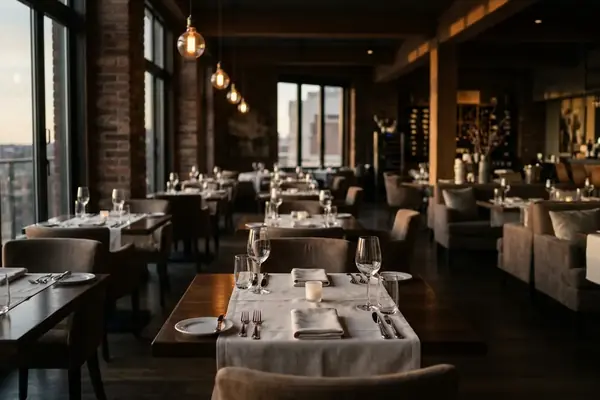
The room's character is produced in stages. At open, empty bentwood chairs and bare neighboring tables let conversation carry across the room. From the first pour until adjacent tables fill, the ambient sounds dominate. Glassware, the HVAC system, chair legs scraping the floor, and calls from the pass can be more noticeable than guest conversation.
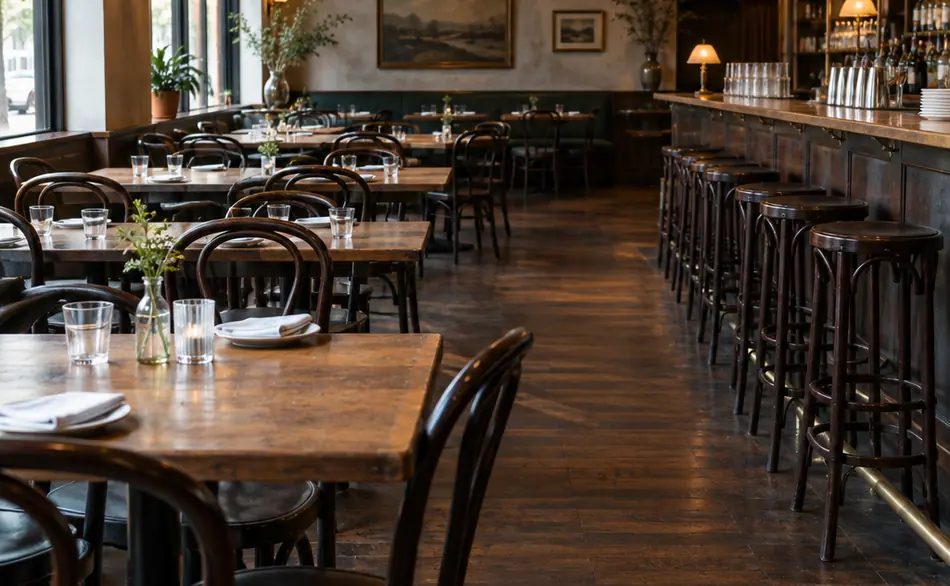
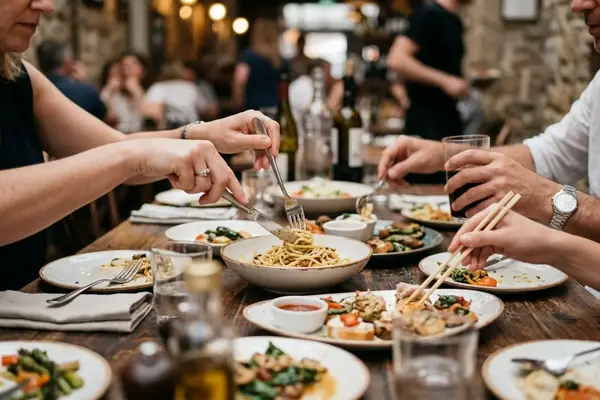
During the second wave, occupied tables, the pass window, and a stacked bar rail add overlapping voices and movement. The room reaches its peak volume. After the rush, the last seating inherits one of two environments. It becomes either a thinned dining room or a space defined by lingering bar traffic. From the second seating wave through the final check presenters, bar orders, celebrations, and departing parties can keep the room active even after dining-room covers decline.
The late seating offers a specific kind of social energy. The early seating offers acoustic clarity.
Course Pacing and the Kitchen's Exit Clock
Course pacing follows the service position. During the opening turn, the server can easily preserve the traditional sequence of bread, starters, mains, and dessert. The kitchen and pastry setup remain fully active. The opening arc runs smoothly from seating through bread, starters, mains, and dessert before the first turn's checks need to clear for a reset.
At the close, the floor must coordinate the guest's pace with final tickets, equipment cleaning, and staff sidework. Pauses between courses naturally contract. The closing arc runs from the final order through the last hot pickup, dessert offer, check drop, and kitchen breakdown. Lowboy contents and pastry portions are finite at that stage.
The Dessert Course Trade-Off
Dessert at the end of the night often becomes a closing decision rather than a leisurely extension of the meal. The kitchen wants to shut down the pastry station. The server needs to finalize the check. If you value a long, unhurried progression through all four courses, the first seating provides the structural runway to support it.
Matching the Occasion to the Service Position
The booking decision starts by identifying what the occasion cannot afford to lose. A menu-focused dinner needs intact choices, time for questions, and lower room competition. For quiet dinners, compare the period from doors-open through the arrival of the second wave, when neighboring tables and the bar rail are least occupied. This points directly to the first seating.
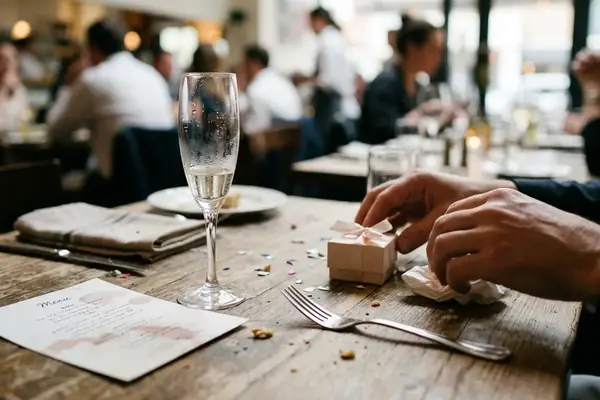
A celebration seeking crowd energy and a bar stop fits the last seating. For celebrations and groups, compare the final reservation through last call and check settlement. A substantial bar program can preserve late energy after dining-room tables begin clearing. For a group, the decision weighs an initially empty room against reduced late staffing. You must navigate the first-check-reset versus last-check bar-rail boundary based on your party's priorities.
| Occasion | First seating | Last seating |
|---|---|---|
| Quiet or menu-focused dinner | Fuller menu context, easier questions and less competing room noise | Possible calm after the rush, but greater exposure to 86s and closing work |
| Celebration | More room for structured coursing, but requires leaving before peak room energy | Access to the busiest room dynamic and a natural transition to the bar |
| Group table | More staff attention and better portion availability for large orders | Less pressure to turn the table, assuming the group accepts a faster kitchen close |
Book the Opening Turn When the Cooking Is the Point
Before confirming a reservation, compare the earliest offered table with the final offered table. Ask whether the occasion must protect menu choice, conversation, group service, or late-room energy. Make that decision before selecting an edge-of-service slot. The opening period extends from first seating through the first turn, while the closing period extends from the final reservation through the last check.
For Northside diners who came specifically for the cooking, book the first table of the night as the default. The early slot provides better conditions for menu range, careful pacing, and direct access to the staff. Treat the last seating as a deliberate exception. Choose the final turn only when the room itself—the after-hours noise, a last drink at the bar rail, and the feeling of the place after the rush—is the actual point of your night.