A Finished Dessert and a Party Still at the Door
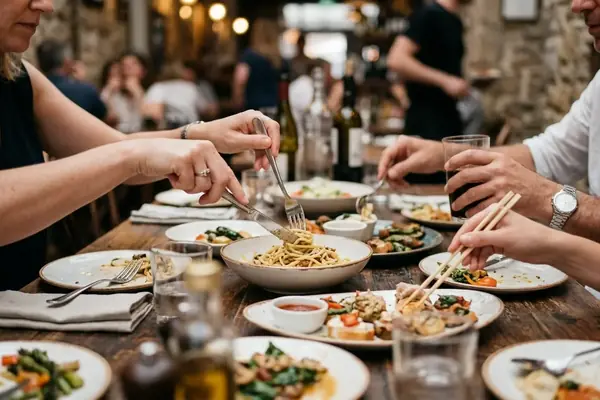
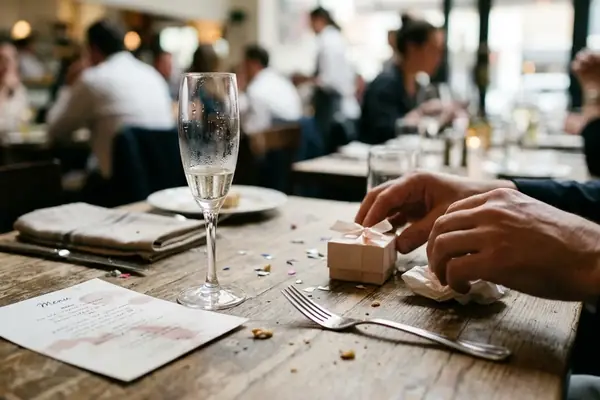
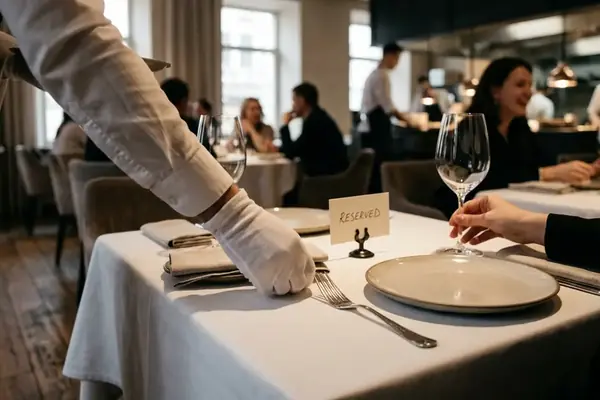
The same corner table on a busy Northside night looks like three completely different places depending on where you stand. From the seat, the dessert plates are scraped clean, the coffee is still warm, and the conversation has finally settled into its easiest rhythm. From the dining room floor, that table is a station caught in suspension because it cannot be cleared and reset for the next seating. From the host stand, a party inside the door is waiting on that exact seat count.
Nobody in this picture is doing anything wrong. The guests are enjoying the hospitality they came for, the staff are managing the flow of a full dinner service, and the people by the door are showing up hungry for their night out. Yet all three groups are tied to the same square of linen and wood.
Understanding how a neighborhood dining room actually moves through a Friday or Saturday night changes how you read the end of a meal. When food service is complete, the operational sequence still has several steps left: departure, clearing, and resetting. An open chair across the room does not help a waiting party of four if your four-top is the one suited to their group size. Seeing the room from both sides of the stand lets you enjoy the finish of dinner while knowing when the floor needs the seats back.
The Sit After Dessert Still Belongs to the Meal
The interval between the last bite of pastry and the moment you reach for your coat is an essential part of the dining experience. Coffee service, the final turn of a good conversation, and an unhurried look at the check belong to the meal you ordered. When a restaurant protects that pause, it honors the reason people go out to eat in the first place.
Compare a table allowed to finish its drinks in peace with a table stripped bare while people are still talking. Lifting finished dessert plates and unused silver keeps the table comfortable; pulling away water glasses that still have ice in them or hovering over a half-full espresso cup turns hospitality into crowd control. The first approach preserves a true dining room. The second treats the meal as a temporary occupancy slot.
Drop the check presenter on the edge of the table while pouring coffee, and the signal stays hospitable. Neither the fresh cup nor the leather folder means you have to stand up right away.
And when the dining room is calm, the math is even simpler. In a half-empty section with nobody waiting at the door, the extra sit is still good service, and the table is yours for as long as the conversation holds.
The Server, the Pass, and the Names at the Door
When the room is full, however, a single occupied table creates three distinct pressures across the restaurant. None of them comes from a diner lingering over a meal that is still underway. The bottleneck happens when the plates are cleared, the check is settled or waiting to be asked for, and the seats remain held while the front door backs up.
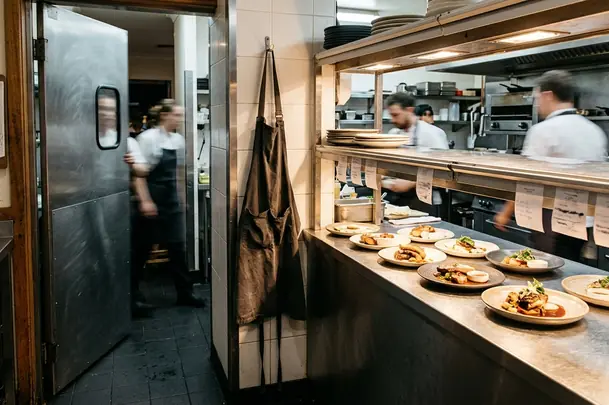
For the server, a station is paced like a relay. Until the next party is seated at that table, the entire opening sequence of greeting, drink orders, menu guidance, and course pacing cannot begin. While one table sits dormant after food service is complete, the server's other tables may all hit their main courses at once, compressing the work that follows.
Between the floor and the kitchen pass, a finished ticket and an available table represent two very different states of service. Once the last dessert leaves the pass, the kitchen's work for that table is over, and the ticket goes quiet. Out on the floor, though, the seats are still occupied. The dining room staff have to track which tables are actively eating and which ones have finished their meals without releasing the chairs.
At the front door, the host is managing a list of names against physical capacity. To the guests sitting down, the table feels peaceful because the plates are gone and the staff have stepped back. To the host looking out from the stand, those seats represent an unresolved assignment that keeps the waiting party in their coats.
Signals the Room Has Already Moved On
Long evenings spent on both the guest side and the floor side of the host stand make the shift between a relaxed finish and a needed table much easier to spot. You do not need to watch the clock or feel guilty about ordering coffee. You only need to look up from the table and read the room around you.
A single gesture from a server rarely means you are being pushed out. The real clue is occupancy, followed by how the small rhythms of service change once your dessert plates are gone:
- Water service pauses: Carafes stop returning to the table unless you specifically ask for a refill. Before reading anything into the pause, glance around the section to see if the staff are busy resetting neighboring seats.
- The check presenter rests on the table: The server sets down the folder without hovering over you. Treat that drop as an easy opening to get your card ready rather than waiting for a second prompt.
- Neighboring tables cycle through: If the server's other tables have been cleared, wiped down, and greeted with fresh menus while you talk, your station has already entered its next seating cycle.
- The host checks your sightline: When the entryway fills with guests and the person at the stand glances repeatedly toward your chairs, they are calculating when your table can be reset.
- Your table's service goes quiet: All ordered food has arrived, the empty porcelain has been cleared away, and the staff have no further culinary steps to deliver to your seats.
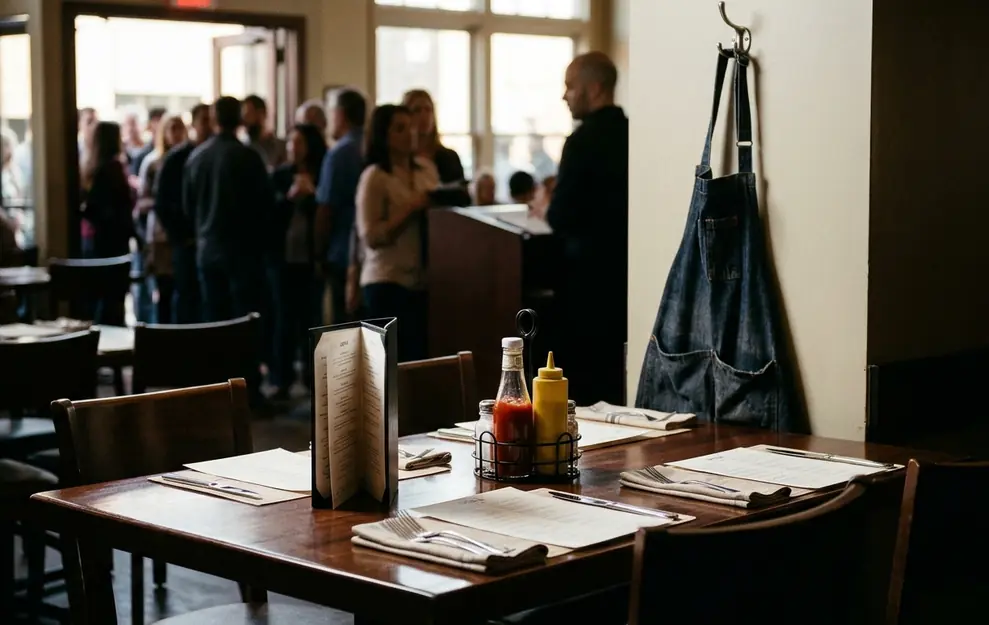
Any one of these moments can happen during a slow Tuesday dinner. When two or more of these signals stack up on a crowded night, the restaurant needs the table. That window right after dessert is finished—before anyone on the floor has to drop a heavier hint—is the ideal moment to ask for the check so your conversation ends on its own terms.
Ask for the Check Before the Room Asks for the Table
Once you decide to wrap up the meal, the smoothest exit comes from a clean, deliberate handoff. Waiting passively for a busy server to stop by and ask if you need anything else can trap both of you in an awkward delay while they ferry plates to freshly seated tables.
Instead, catch your server's eye or give a small nod as they pass through the station. Ask for the check directly, and when the folder arrives, put your card inside right away with the edge showing so they can pick it up in stride without having to ask a second time. If the restaurant uses a handheld terminal, have your payment ready when they return so the transaction takes a single stop.
The Clean Table Handoff
Rushing the last sip of coffee before you have even asked for the bill does nothing to help the floor. Take your time with the cup, then move cleanly through the payment sequence: request the check, place the card where it is easy to grab, sign or confirm as soon as it comes back, and stand up promptly once the folder is closed.
Finish signing the slip before you start gathering scarves and bags. A brief, warm thank-you to the server as you stand does far more for the rhythm of the room than slipping out silently or apologizing for the wait. Standing up releases the seats so the busser and server can step in, clear the glassware, and lay fresh linen for the next guests.
Passing the Host Stand on the Way Out
You sign the top copy, close the leather folder, and slide your chair back from the table. As you pull on your coats and step into the aisle, a busser is already lifting the water glasses and gathering the crumpled napkins, resetting the wood with fresh plates and flatware before you reach the front of the room. You pass the wooden host stand, catch the warm air near the door, and step aside as the host gathers two menus from the stack and walks the waiting couple toward the exact table you just left.