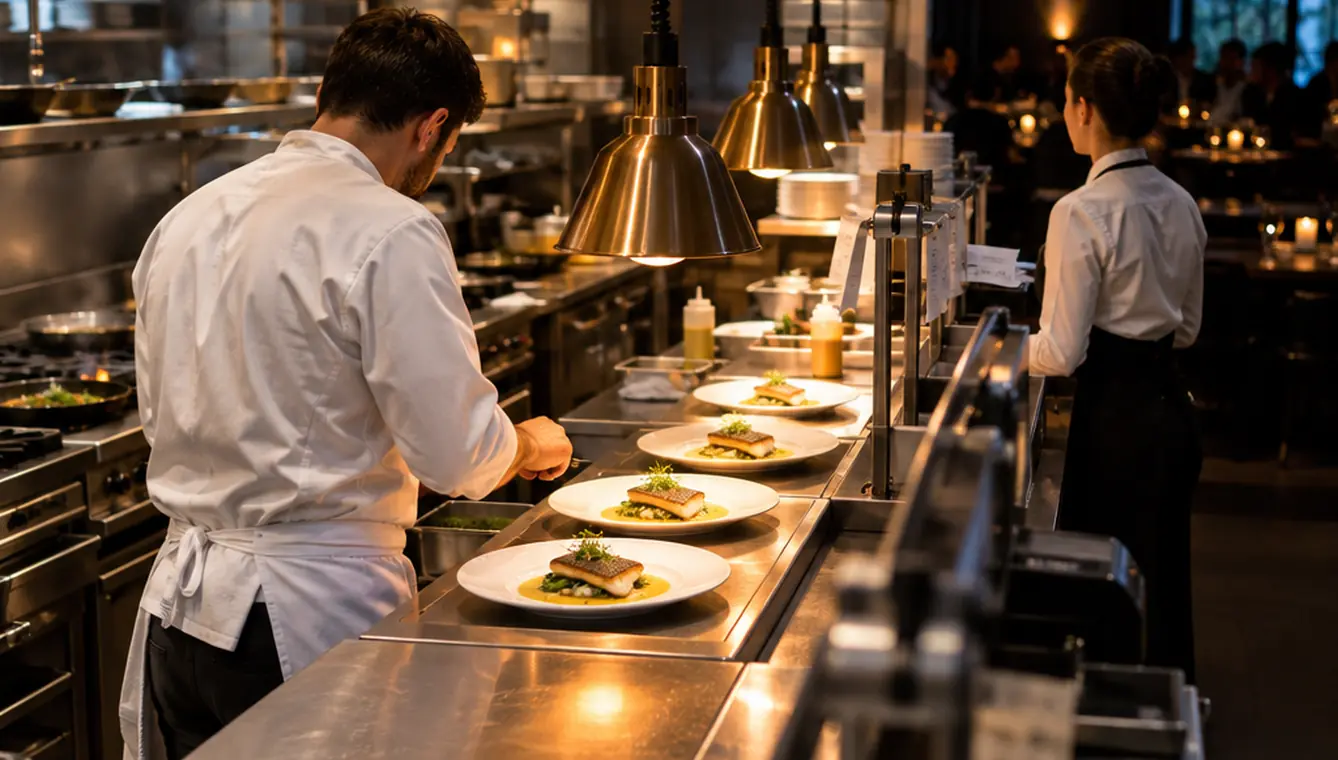
The Closest Table Shares the Kitchen’s Air
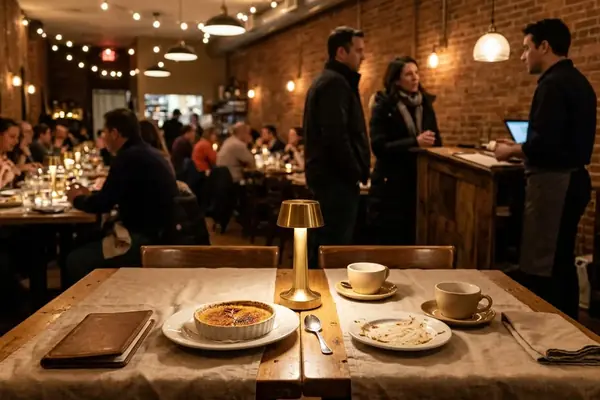
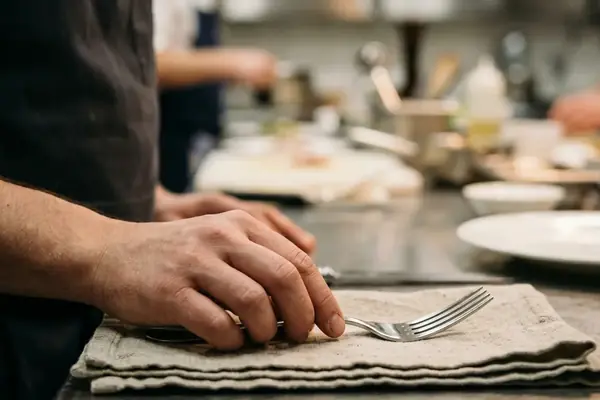
With no wall between the hot line and the dining room, ticket calls, hood roar, and heat-lamp warmth reach the nearest tables beside the cooks’ working space. You hear the next order called while your companion finishes a sentence. Light from the pass catches the glassware. The chair closest to the lamps feels warm before dinner arrives.
That proximity is part of the offer. An open kitchen presents visibility as reassurance: the house has nothing to hide. Yet the pass, the jackets, and the plating lane are precisely the parts of production arranged to face the room. Their visibility deserves attention, and so does the choice of what faces the guest.
I judge an open kitchen by what reaches the table—both the plate and the conditions around it. A clear view can make dinner absorbing. Watching a cook finish a sauce gives the meal a sense of sequence, while a well-coordinated handoff makes the room feel connected. Those pleasures arrive with sound, movement, glare, and warmth.
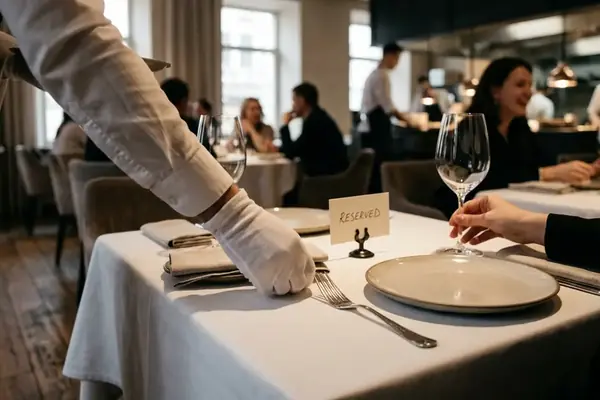
Before accepting the nearest table, sit long enough to exchange a sentence at your normal speaking volume. Look across the table and notice whether the lamps interrupt that sightline. Check the warmth at the chair. These are useful grounds for choosing a seat before the cooking gives you anything to judge.
What the Pass Puts on Display
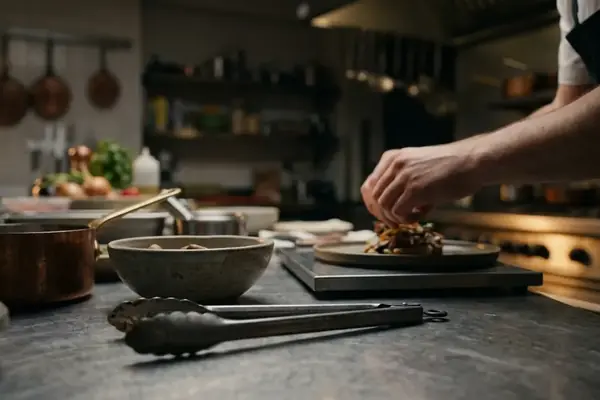
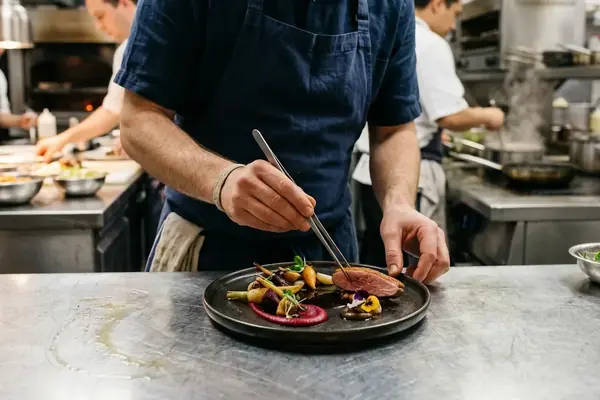
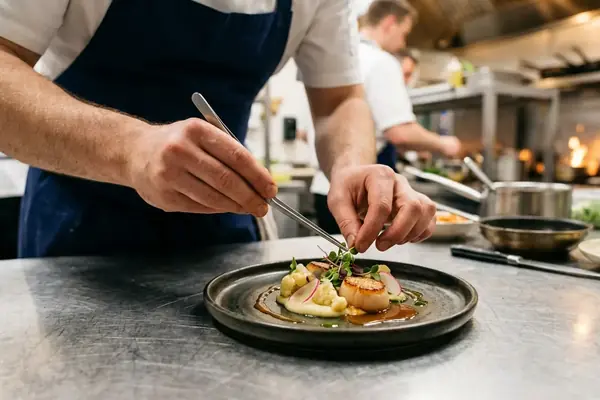
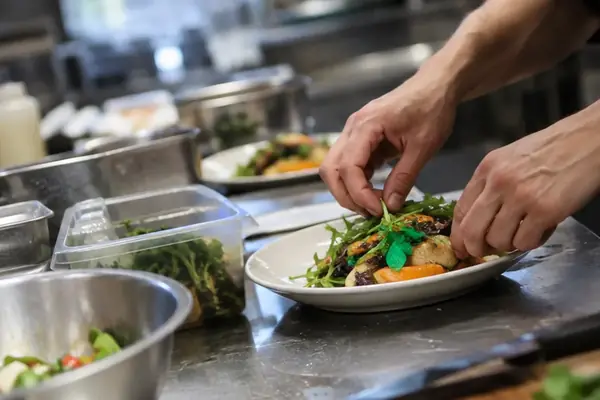
The visible sequence has distinct jobs. Tickets collect on the rail; cooks work the hot line; finished components reach the pass. There, the expediter coordinates the order, plates may wait under heat lamps, a rim gets its final wipe, and dining-room staff collect the food. Each stage contributes something different to the eventual bite.
The hot line supplies the cooking. The pass brings components and orders together. The handoff gets a completed dish moving toward its table. A plate can look finished while it waits for its companions or for someone to carry it.
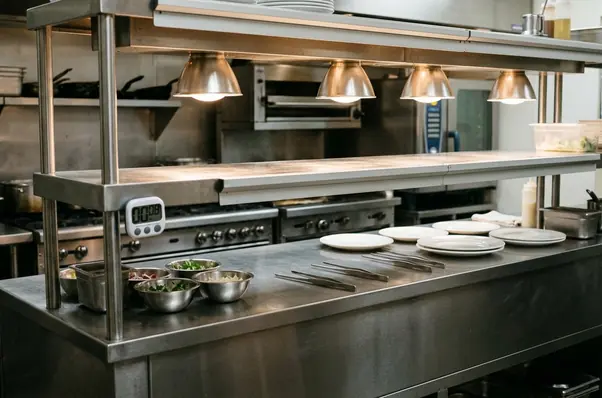
Clean jackets, concise calls, and a careful rim wipe belong to the room-facing presentation. They show how the visible station conducts itself. A wipe removes a smear from the edge; the fish’s center, the sauce’s balance, and the seasoning require their own assessment. Heat lamps supply warmth from above while the plate waits, with the dish’s condition at the table providing the useful test.
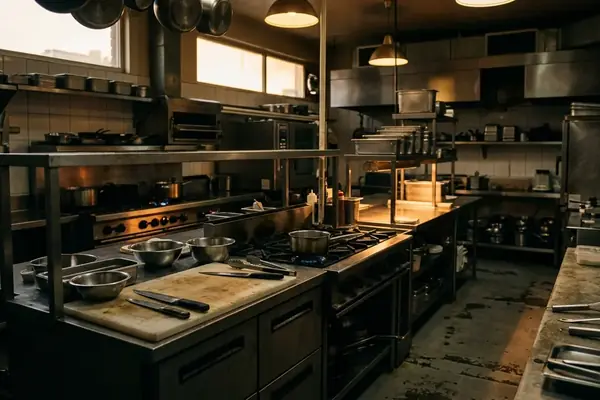
Watching the pass establishes what happens there during that observation; receiving, storage, earlier cooling, preparation, and dishwashing remain outside that view. Keep the judgment at that scale. Glass may preserve the sightline while changing how sound and warmth reach the room, but the view still follows the finishing sequence.
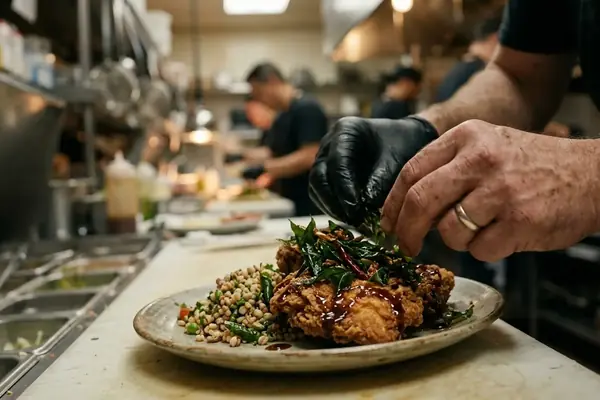
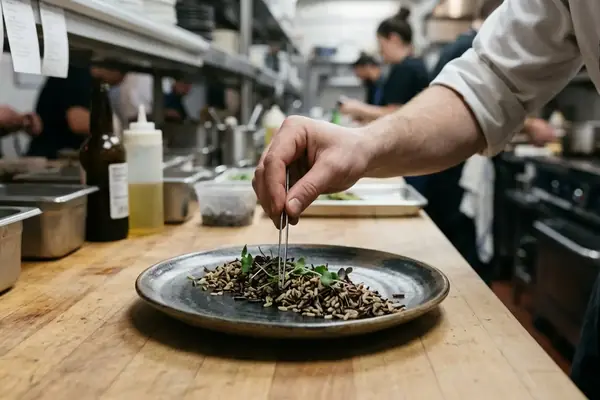
The most revealing flourish is one that survives eating. Herbs that bring freshness or contrast do culinary work. An intricate arrangement earns its place when its flavors and textures make sense together on the fork.
Choose the Seat Before Admiring the Pace
A busy rail makes an open kitchen louder. Equipment provides the background; calls, pans, and collection add sharper interruptions. Stainless steel, glass, and other hard finishes reflect sound, while the room’s shape and absorbent surfaces influence how far it carries. The volume describes the room and its activity. Food quality needs a separate judgment.
A Clear View Has a Physical Cost
A table beside the pass suits diners who want to follow the finishing work and welcome that activity as part of dinner. It also puts them close to cooking smells, lamp glare, radiant warmth, and repeated staff movement. Heat lamps can warm nearby surfaces directly, so the sensation at the chair deserves attention even when the room’s air feels comfortable.
A table farther away can be a poor compromise: the view disappears while calls and clatter still reach it. Choosing by distance alone misses the room’s acoustics. Ask for a table where conversation feels easy, then check the actual seat.
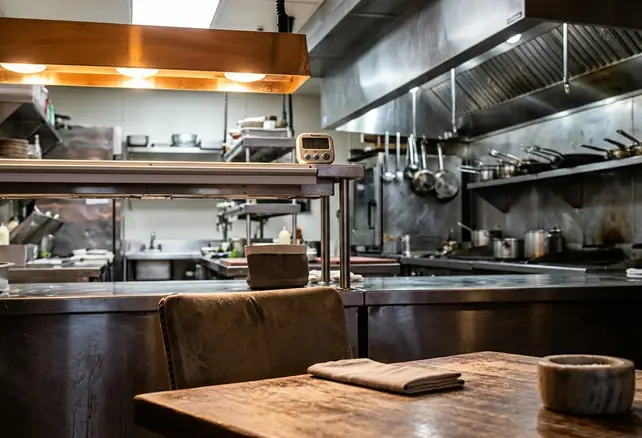
For a conversation-led meal, prioritize hearing your companion without repeatedly leaning forward. For a dinner built around watching the line, accept the close view only after checking glare, warmth, and traffic. The same chair can serve those occasions very differently.
A Clear Pass Can Help the Handoff
An expediter who can see a waiting table and a waiting plate can coordinate collection directly. That sightline can tighten the handoff: the order comes together, a carrier arrives, and the food leaves.
Pressure to keep the visible lane moving can also compress the final check. A quick departure deserves credit when the components are ready together and the plate arrives in good condition. Watch the transition from completion to collection, then let the food establish whether the pace served it well.
Read the Menu Before Reading the Performance
The menu gives you a comparison point before the lamps and finishing gestures attract your attention. Break a dish description into its working parts: protein or base, cooking method, sauce, and garnish. Then translate each part into an expectation at the table.
Use a line such as “seared fish, butter sauce, herbs.” The fish supplies the central ingredient; searing sets an expectation for its surface; the sauce contributes richness and moisture; the herbs should bring a discernible finishing flavor. That short description gives the first bite a clear purpose.
Compare Prices Within This Menu
Locate the dish among the restaurant’s own starters and mains. A dish priced alongside the principal mains invites scrutiny of its central ingredient, technique, portion, and sauce work. Decorative complexity carries less weight than those fundamentals.
This comparison is more useful than importing a price expectation from an unrelated restaurant. Read neighboring dishes for what the menu treats as a substantial course. Then consider whether the fish offers a similarly complete plate through its portion, preparation, and supporting elements.
Let the Bite Test the Description
- Retained warmth: For a hot dish, check the central component as well as the sauce. A warm surface and a warm bite are distinct observations.
- Sauce condition: A coating sauce should cling as its style requires. Look for body, separation, or a surface skin; judge a thin broth or deliberately split dressing by its own intended texture.
- Seasoning: Taste the central component, then a composed bite with sauce and garnish. This separates seasoning through the food from salt or acidity concentrated in the finish.
- Cooking: Compare the texture and doneness with the menu’s wording and the stated method.
- Garnish: Include it in a bite. Its flavor, texture, or contrast should explain its place on the plate.
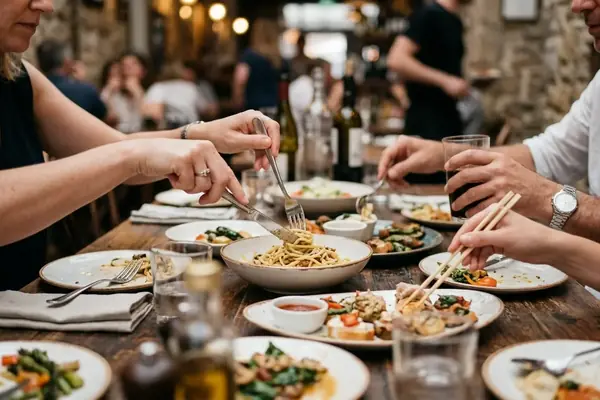
Keep the seat judgment and the dish judgment independent. A beautifully cooked main can arrive at an uncomfortable table. An engaging view can accompany a poorly seasoned plate. Record each experience on its own terms when deciding what deserves another order.
Follow the Seared Fish to Its First Bite
Take that menu line, “seared fish, butter sauce, herbs,” through a complete dinner decision.
- Check the chair. Before ordering, notice the table’s position beside the pass. Exchange a sentence with your companion, look toward their face, and register the lamp warmth and passing traffic. If conversation already takes effort, request a different table before the meal gets underway.
- Set the menu expectations. Identify fish as the central ingredient, searing as the method, butter sauce as the accompaniment, and herbs as the finish. Compare the dish’s price position with the other mains. Carry those expectations into the meal.
- Follow the identifiable order. As your ticket is called from the rail, follow the fish from the hot line to the pass, through the lamp hold, rim wipe, collection, and delivery. Keep attention on that sequence. Leave the jackets out of the plate assessment.
- Connect the hold with the arrival. Observe the wait under the lamps without setting a universal stopwatch rule. At the table, look for a cooled edge, a sauce skin, a softened seared surface, or warmth retained in the center. Treat each as a condition of the food in front of you.
- Taste against the words. Try the fish alone, then take a bite with butter sauce and herbs. Check the seared surface, the center’s texture and warmth, the sauce’s body, and the seasoning through the bite. If the herbs add freshness and the sauce supports well-cooked fish, the components have fulfilled their jobs. Keep that dish in mind for another order; choose the next table according to how comfortably you could enjoy it.