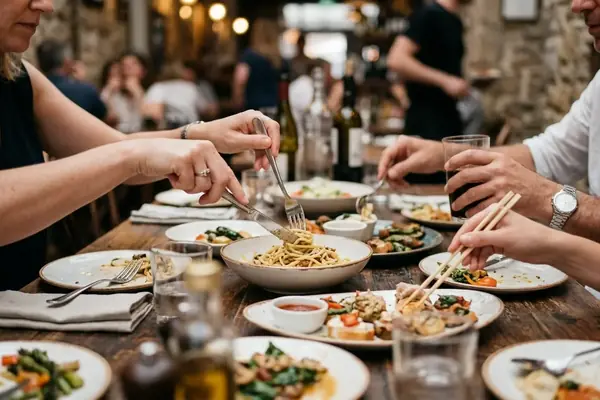
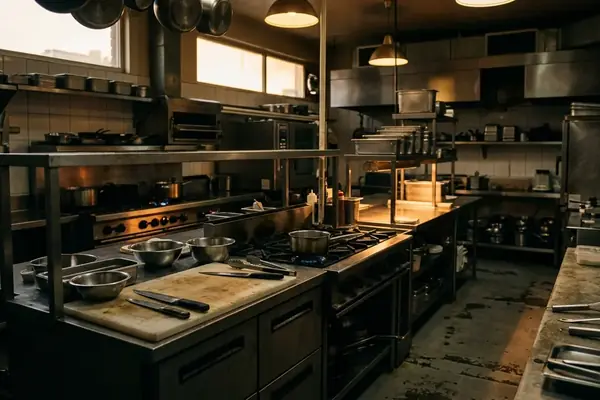
A prime Saturday reservation often spends your evening inside a stretched kitchen's triage, leaving you with less of the plate, the talk, and the dining room you came for. When the weekend door fills the floor with guests who may only visit once a year, the greeting, course pacing, and check presentation all compress around the need to turn tables. The same neighborhood restaurant, visited Tuesday through Thursday, delivers a markedly different dining experience.
What a Saturday Table Actually Costs You
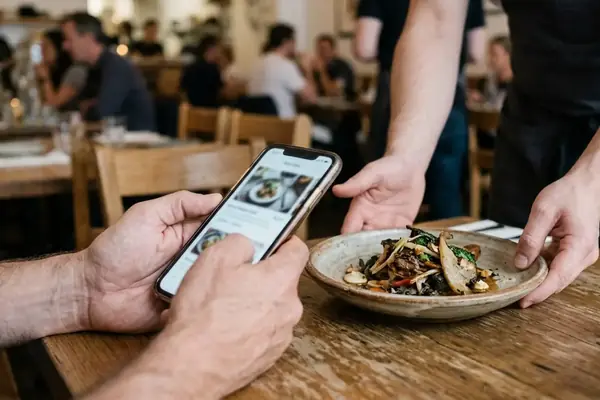
A busy dining room and a compressed meal look identical from the sidewalk, yet they diverge the moment you sit down. On a packed Saturday, occasion-based dining brings high volume to the host stand, and the floor staff must manage the clock from the initial greeting. You feel that pressure when a server has to pivot away before finishing an answer about the menu, or when your main course arrives while the starter plates are still occupying the table.
Look closely at the sequence from arrival to payment. The true cost of a Saturday booking reveals itself in three specific handoffs: an unfinished menu explanation during ordering, an overlapping course delivery that crowds your table, and a check placed down before anyone has discussed dessert. Each step trims a few minutes of hospitality to protect the next reservation slot.
To see what the kitchen and floor can actually do, hold the variables steady. Compare the same restaurant with the same party size at a similar reservation time, setting Saturday against a window from Tuesday through Thursday. Comparing a quiet Tuesday counter meal for one against a Saturday group dinner for six mixes too many factors; matching a two-top at seven o'clock on both nights isolates the exact effect of weekend service pressure.
Tracking the evening's basic benchmarks makes the difference concrete. Note when you are seated, when a server first makes contact, when the food order goes in, when each course lands, and how the check arrives. Those simple timestamps map the cadence of the meal and show where a dinner lost its breathing room.
A Line That Can Still Taste the Food
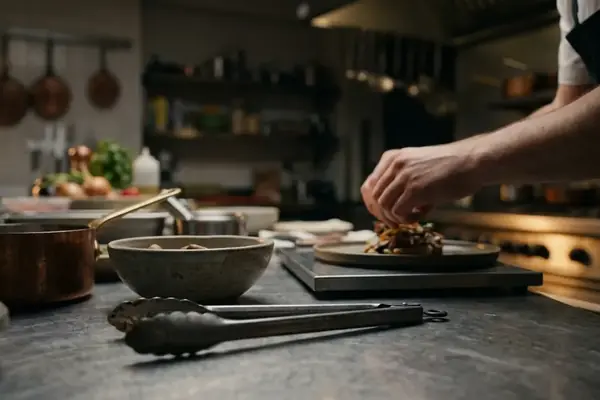
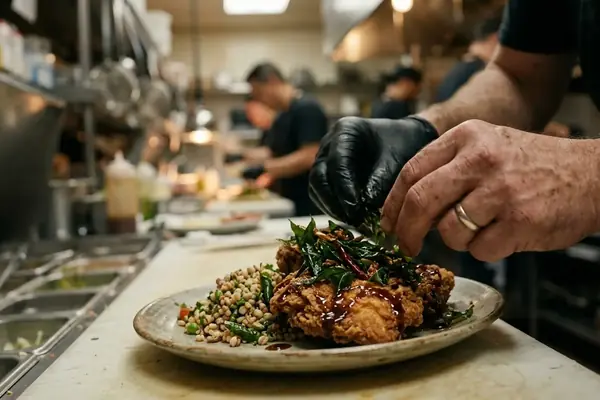
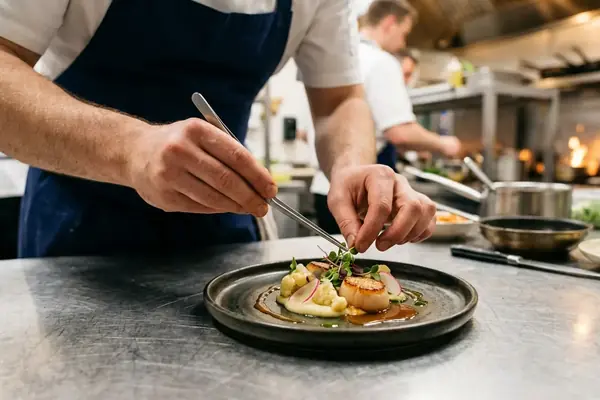
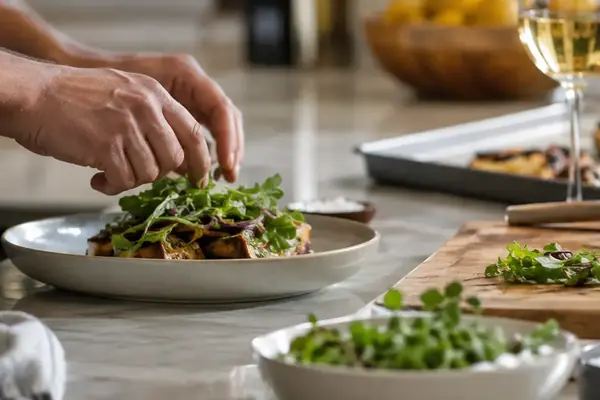
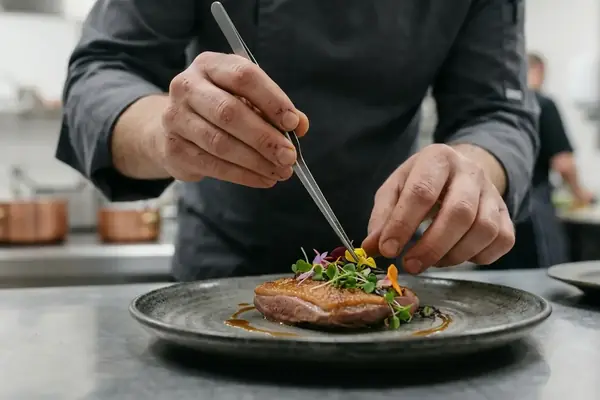
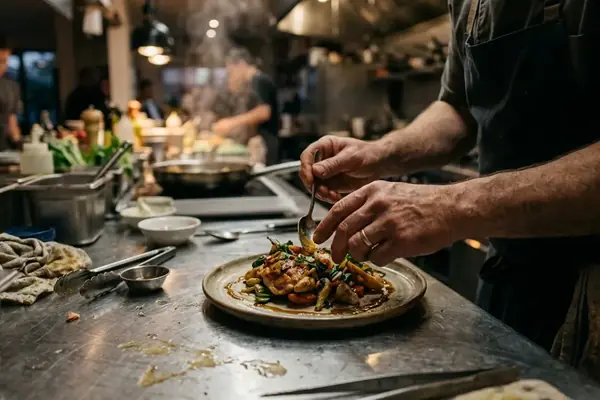
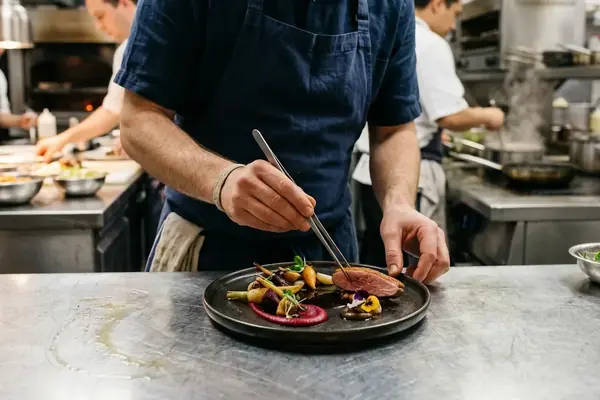
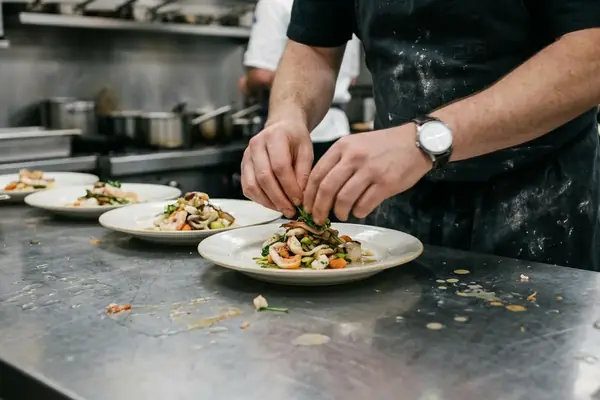
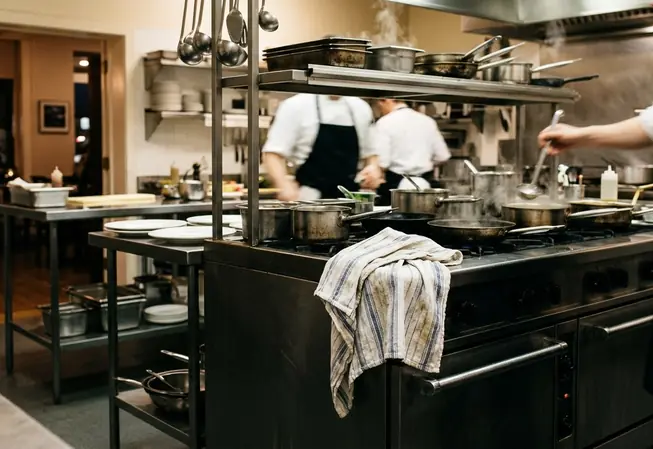
Fewer active tickets on the rail allow the kitchen line to cook to its standard rather than just clearing the board. Every dish relies on a chain of final decisions: the line cook finishes the component, the expediter checks the plate against the ticket, and a runner carries it straight to the dining room. When that sequence works, the sear, the sauce, and the garnish get a deliberate final inspection before leaving the pass.
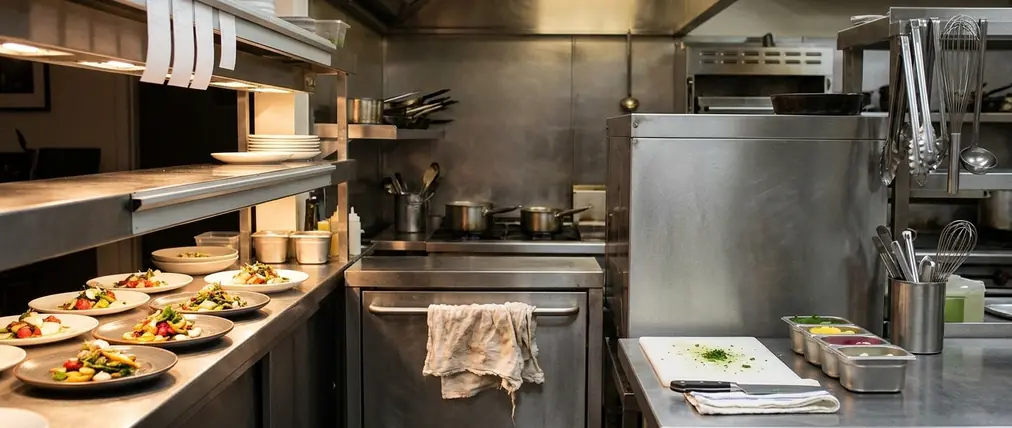
You can read the health of that workflow from your seat and on your plate. At the pass, watch for an expediter checking tickets, wiping plate rims clean, and handing completed dishes directly to runners who move them promptly. A plate sitting neglected under a heat lamp is a warning sign on any night; the mark of an attentive kitchen is a quick final check followed immediately by pickup. Even on a quiet Tuesday, reduced staffing, a private party, or a sudden rush of simultaneous orders can create a bottleneck identical to Saturday's, so the real boundary is at the pass rather than on the calendar.
Once the dish reaches your table, the physical evidence speaks for itself:
- Surface texture: A seared fish skin or roasted crust remains crisp rather than steaming itself soft during a delay at the window.
- Sauce consistency: Emulsions hold their gloss and stay tight around the protein instead of pooling thinly or forming a surface skin.
- Serving temperature: Warm plates arrive genuinely hot, matching the intended temperature of the protein and garnish.
Midweek breathing room also changes how a kitchen handles the menu when you ask for an adjustment or order a nightly special. Removing a scattered herb garnish takes nothing from the line, whereas remaking a pan sauce without alliums or swapping a braised side requires a separate pan and undivided attention. On a Wednesday, asking what a requested substitution actually changes in the preparation lets the kitchen execute the adjustment cleanly without sinking the next four tables.
Questions a Server Can Finish on a Wednesday
Strong menu literacy works best as a midweek habit. When you give yourself a five-to-ten-minute window to discuss the menu before placing a food order, you turn the server from an order-taker into a guide. Instead of asking what is popular, ask how a dish is built, what the kitchen is proud of that evening, and which preparation details set two similar plates apart.
Midweek Menu Audit
Ask your server to walk one nightly special against its closest permanent menu staple. A thorough comparison covers cooking method, sauce base, and which components are cooked to order.
That specific comparison gives the server a concrete structure to explain. You can ask whether the fish is pan-seared in cast iron or roasted in the oven, whether the accompanying sauce is mounted with butter or built on a lighter broth, and how the richness of the special compares to the regular entrée. Recording the substance of that answer tells you far more about the restaurant's food culture than a quick thumbs-up recommendation ever could.
In my own return visits across Wednesday and Saturday services, asking the exact same substantive question about a dish's preparation yields tellingly different interactions. On a Wednesday, a server has the floor time to explain how a glaze is reduced and which garnish adds acidity; on a Saturday, the demands of an eight-table section often compress that answer down to a single adjective before the server is pulled toward a waving hand at the next booth. Booking the night when the staff can finish the conversation ensures you order the plate the kitchen is executing best that evening.
Regulars, Not the Door, Set the Room
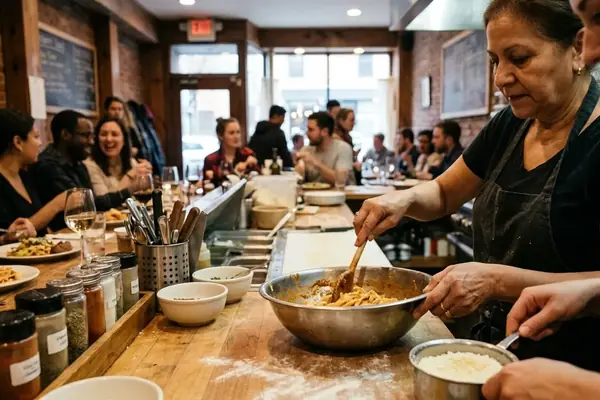
Walk into a neighborhood dining room on a Thursday and the tempo comes from people who already know the menu. Rather than the high-turnover churn of a weekend door, the room reflects earlier seatings, unhurried pauses between courses, and table conversations that do not have to compete with a three-deep bar crowd.
Take the first ten to fifteen minutes after being seated to read the floor. Ask for a table with a clear view across the dining room rather than one facing the entrance or the restless wait area near the host stand. You can spot repeat custom through observable habits: familiar greetings from the staff, coats draped comfortably over chairs, and orders placed after minimal consultation with the printed menu.
Those surrounding tables tell you more about the restaurant than any single line of menu copy. Watch how the staff and diners negotiate the pace of the evening:
- Course readiness checks: Notice whether servers check in with a table before firing the next course, rather than dropping mains automatically on a rigid timer.
- Recurring plates: Note which dishes reach multiple tables across the room and how guests respond to them, then ask your server about the preparation before ordering one yourself.
- Conversational ease: Gauge whether your companions can finish a quiet sentence across the table without leaning in or raising their voices.
- Late-meal pacing: Watch whether neighboring two-tops take an unhurried pause over their wine before deciding on dessert or coffee.
Let those observations guide how you build the rest of your night. When the floor is calm and servers are pacing courses around the table's readiness, you have a reliable signal to add a middle course or linger over a shared dessert.
The Plate Saturday Crowds Walk Past
Evaluating the weekend gap requires looking at the exact same menu item across two visits within a seven-to-fourteen-day interval. Keeping the window tight prevents seasonal menu changes from muddying the comparison, and ordering the identical dish at the same requested doneness isolates how service pressure alters the plate.
What disappears under Saturday volume is rarely a secret off-menu recipe. Instead, the casualties are structural: a plate that loses about five degrees of heat before a runner can grab it, a reduction that isn't finished to order, a changed garnish hurried onto the rim, or a missing minute of table talk explaining why a certain bitter green is paired with a rich roast. Even when the price, portion description, and core ingredients remain identical on the printed sheet, the execution shifts when the kitchen is buried.
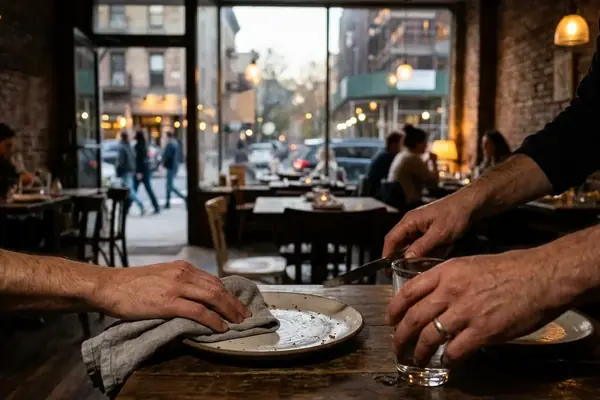
Course spacing and the close of the meal show an equally sharp contrast. Documenting whether a main course arrives while a starter dish is still on the wood reveals where the kitchen's ticket rail overtook the dining room's natural pace. The same applies to how the meal ends. Note whether the check was requested by you, offered verbally after a dessert conversation, or placed directly on the table without discussion while your wine glasses were still half full. Those three actions represent distinct service choices. A Saturday crowd can still eat well, yet it often receives the high-throughput public version of the restaurant rather than the attentive neighborhood one.
Make Tuesday the Night You Keep
Stop saving your serious restaurant budget for Saturday night and make Tuesday through Thursday your default Northside dining window. If a dining room only feels exciting when every chair is packed and the bar is loud, you are rating the crowd rather than the cooking.
Put this booking rule into practice by calling the restaurant directly for a two-top or a seat at the counter. Rather than assuming every kitchen runs on the same clock, ask two practical questions: when the first dinner seating is usually settled, and what time the kitchen takes its last food order. If you choose the counter, confirm that it serves the full dinner menu. Then book your table fifteen to thirty minutes after that first wave of guests is seated, sliding into the room right as the initial ticket rush clears the pass.
Once you are in your chair, let the server's explanation and the room's observed cadence build your meal. Order your savory courses first, hold the dessert decision until after the main plates are cleared, and give a midweek kitchen the time to cook the dinner you actually came to eat.